







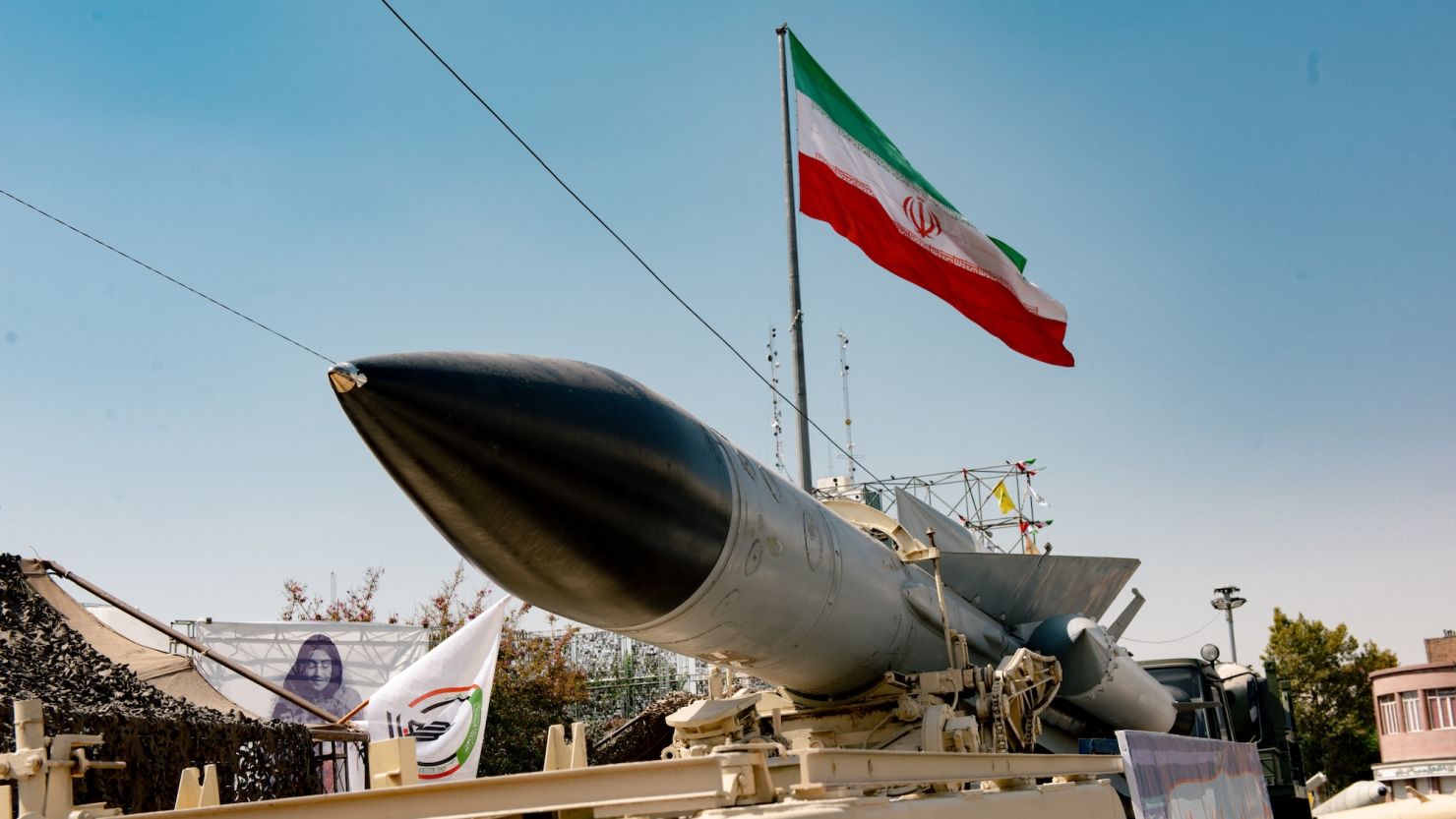
Iran is reportedly developing unconventional warheads, including potential chemical and biological payloads, for its ballistic missile programme, according to a report by Iran International citing unnamed military sources.
The report claims the effort is being driven by the Islamic Revolutionary Guard Corps (IRGC), specifically its Aerospace Force, and has intensified in recent months amid rising regional tensions involving Israel and the United States. It also notes unusual deployments of mobile missile launchers and support units to Iran’s eastern regions, which analysts interpret as a sign of heightened military readiness.

According to the sources quoted, the alleged programme focuses on modifying existing solid-fuel ballistic missiles rather than developing entirely new systems. Western intelligence agencies cited by Iran International are said to have observed irregular logistical movements and telemetry activity linked to IRGC missile units, raising concerns that the work may have progressed beyond early research stages.
Iran already operates the largest and most diverse missile arsenal in the Middle East, with systems ranging from short- to medium-range platforms capable of striking targets across the region. Analysts suggest that if unconventional warheads were ever integrated into this force, it would significantly alter regional security calculations and complicate existing missile defence planning.
The report adds that Iranian decision-makers may view such capabilities as an extreme deterrent option rather than a substitute for conventional weapons, intended to raise the cost of any perceived existential threat against the country.
If confirmed, the development would sharply contradict Iran’s longstanding public position against chemical and biological weapons. Tehran has frequently cited its experience as a victim of chemical attacks during the Iran-Iraq War to underline its opposition to such arms and its commitment to international conventions.
Iranian authorities have consistently denied pursuing chemical or biological weapons, maintaining that the country’s missile programme is purely defensive. However, security analysts warn that credible evidence of unconventional warheads would likely provoke strong international condemnation, tighter sanctions, and increased military alertness across the Middle East.
As of now, the claims remain unverified, but observers say their potential implications would mark one of the most destabilising shifts in Iran’s military posture in decades if substantiated.