









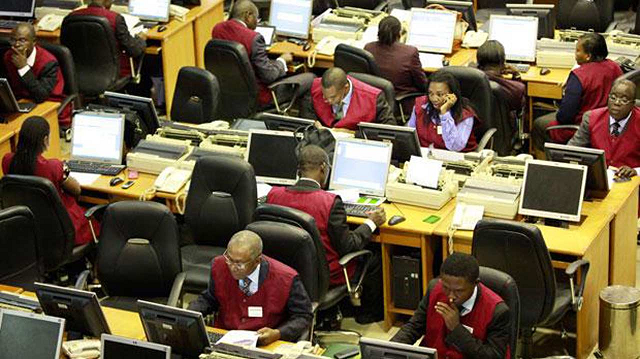
Domestic investors accounted for the bulk of trading activity on the Nigerian Exchange (NGX) in 2025, contributing approximately 80 per cent of the total transaction value recorded on the bourse, according to the Chairman of Nigerian Exchange Group, Dr. Umaru Kwairanga.
Speaking in an interview on Monday, Kwairanga said foreign investors represented about 21 per cent of total market turnover during the year, signalling a gradual resurgence of offshore interest in Nigerian financial assets.
He noted that the trading pattern underscored strong confidence among local investors, even as foreign participation showed signs of recovery. According to him, the balance between domestic dominance and renewed foreign inflows reflected improving sentiment toward the Nigerian capital market.
Despite persistent global uncertainties and challenges linked to foreign exchange volatility, Kwairanga said the equities market demonstrated notable resilience throughout the year. He disclosed that the NGX All-Share Index recorded gains of approximately 49.17 per cent as of December 24.
“This level of performance places the Nigerian Exchange among the strongest-performing equity markets in Africa in 2025,” he said, adding that total market capitalisation continued to expand over the period.
Kwairanga explained that equities remained the primary driver of market value, accounting for over ₦98 trillion, which represents about 65 per cent of the total capitalisation of the exchange. He attributed this growth to robust corporate earnings and sustained investor interest in fundamentally strong companies.
He identified the banking, consumer goods, industrial, and telecommunications sectors as major contributors to market depth and liquidity, noting that these segments attracted significant trading volumes throughout the year.
On primary market activities, Kwairanga said capital raised through new listings and other issuances climbed to an estimated ₦6.34 trillion. He explained that the surge was largely driven by bank recapitalisation exercises and renewed confidence among issuers seeking to tap the capital market.
Foreign portfolio investment also recorded meaningful year-on-year growth, with certain periods witnessing double-digit increases. However, Kwairanga cautioned that foreign participation remained relatively modest when compared to domestic trading volumes.
He attributed this to lingering macroeconomic uncertainties, exchange rate considerations, and the need for clearer and more consistent policy signals to attract sustained offshore capital.
Looking ahead, Kwairanga stressed the importance of deepening diversified foreign inflows while maintaining strong domestic investor engagement. He said the focus for 2026 would centre on consolidating recent gains and strengthening the resilience of the Nigerian capital market.
“Our objective is to build a more competitive, inclusive, and globally attractive market that can support long-term economic growth,” he said.








 in 2025, contributing approximately 80 per cent of the total transaction value recorded on the bourse, according to the Chairman of Nigerian Exchange Group, Dr. Umaru Kwairanga.)