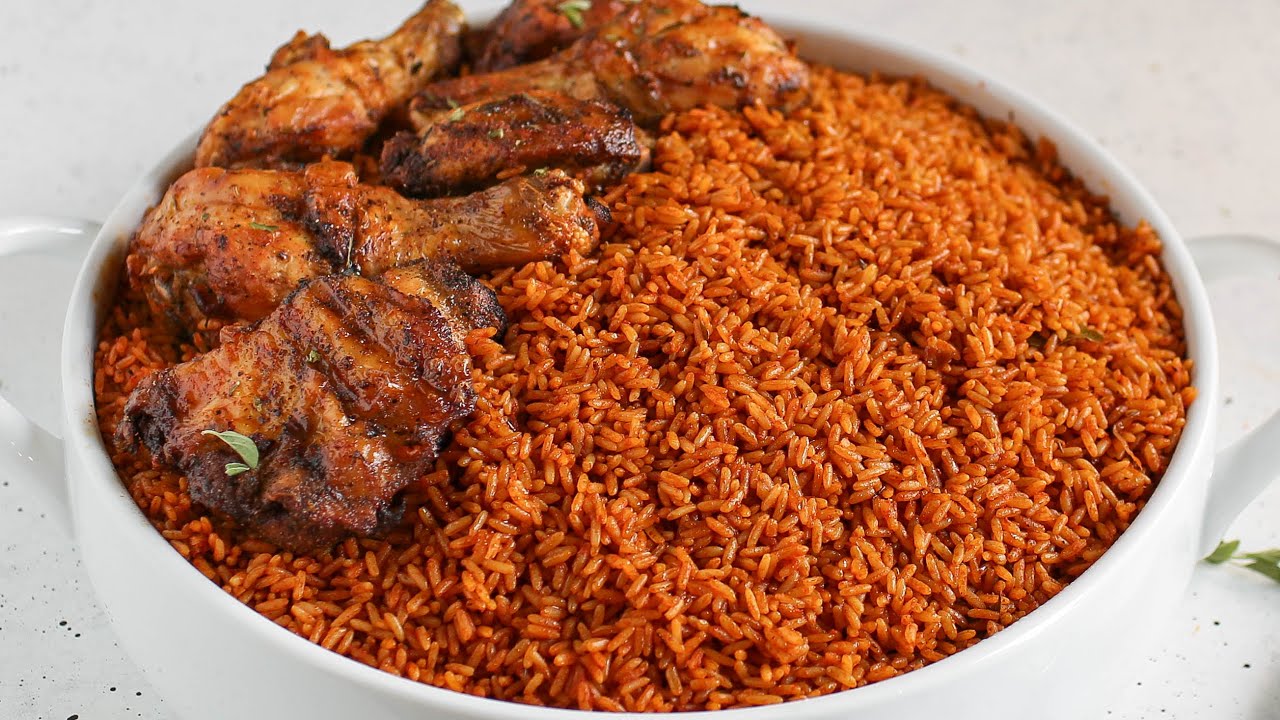
High inflation and the rising cost of living have turned Nigeria’s once-affordable jollof rice into a luxury, according to a report by The Guardian. Once a staple of Nigerian households, the iconic West African dish now costs about ₦26,656 to prepare for a family of five—up from ₦21,300 last year—according to the Jollof Index compiled by SBM Intelligence. The national minimum wage remains ₦70,000, highlighting the growing gap between incomes and food prices.
Olawunmi George, a cashier in Lagos, told The Guardian that her family has largely skipped jollof this year due to costs, opting instead for cheaper meals such as spaghetti, rice and stew, or bread and eba. “You will spend a lot for the ingredients to cook jollof rice that will be to your taste,” she said.
Food historian Ozoz Sokoh noted that many Nigerians are now preparing “concoction rice,” a cheaper and lighter version that omits traditional ingredients like chicken or tomato puree. “Overall, the concoction is likely light in colour and a bit on flavour compared with the deeper, richer flavours of jollof,” Sokoh said.
Victor Ejechi, head of insights at SBM Intelligence, explained that while inflation has eased to 14.45% from 24.48%, wages have not increased proportionally, meaning food now takes a larger share of household budgets. He told The Guardian, “The inability to prepare jollof the ‘right way’ erodes everyday cultural rituals: hosting guests, family gatherings, Sunday meals. Food becomes transactional rather than communal.”
The rising cost of jollof rice is reflected across West Africa. In Ghana, preparing a pot for a family of five costs 430 cedis, against a daily minimum wage of 19.97 cedis. Sokoh added that variations in rice type, seasoning, and preparation methods differentiate the Nigerian and Ghanaian versions, with the Nigerian version typically spicier and bolder.
The Guardian highlights that jollof rice has become enshrined in cultural identity. Its transition from everyday staple to occasional luxury reflects the pressures of inflation and changing social dynamics in Nigeria, reshaping culinary traditions and family rituals.