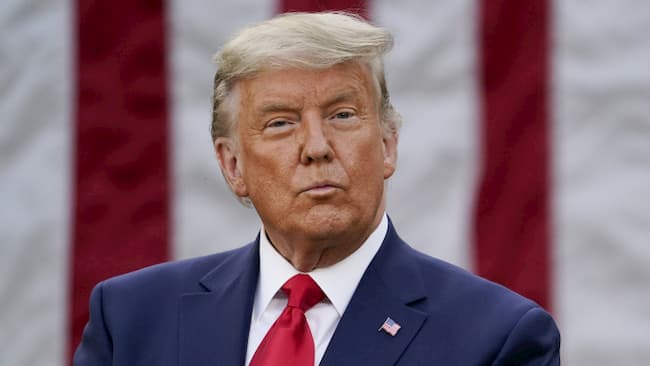








U.S. President Donald Trump has pledged a sweeping economic resurgence, promising Americans a period of unprecedented growth while attributing persistent cost-of-living pressures to policies implemented by his Democratic predecessor, Joe Biden.
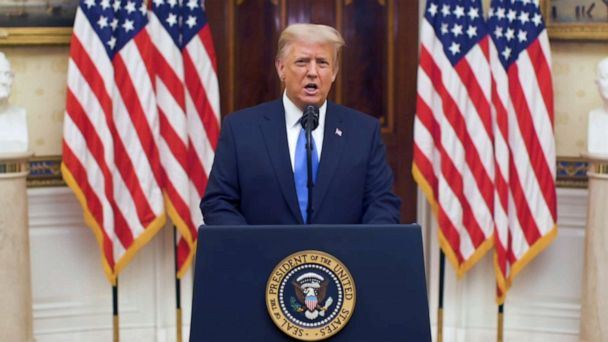
In a nationally televised address delivered from the White House on December 17, marking the completion of his first year back in office, the 79-year-old president struck an optimistic tone while seeking to deflect mounting public dissatisfaction over affordability.

“Eleven months ago, I inherited a disaster, and we are fixing it,” Trump declared, framing his administration’s economic record as one of recovery and progress.
Despite these assurances, Trump faces increasing voter frustration over inflation and household expenses, an issue Republicans fear could negatively affect their prospects in the 2026 midterm elections. Although the president has previously dismissed concerns about affordability as politically motivated, polling data suggests the issue remains a dominant voter concern.
Trump insisted that prices for essential goods such as fuel and groceries were declining, telling viewers that costs were “falling rapidly” and that progress was accelerating.
In a surprise policy announcement, the president revealed that 1.45 million U.S. military service members would receive one-time “warrior dividend” payments of $1,776 before Christmas. According to Trump, the payments would be financed through tariff revenues and symbolically tied to the year of America’s founding.
Looking ahead, Trump projected an economic surge in 2026, describing it as “an economic boom the likes of which the world has never seen,” coinciding with the United States co-hosting the FIFA World Cup alongside Canada and Mexico.
While the White House billed the address as an opportunity to outline Trump’s economic agenda for the remainder of his second term, much of the speech revisited familiar themes, including criticism of Biden, Democrats, and immigration policies. Trump accused migrants of taking American jobs and blamed previous administrations for economic imbalances.
The address capped a turbulent year marked by an aggressive use of executive power, including intensified immigration enforcement and legal actions targeting political opponents.
Economists remain divided on the impact of Trump’s tariff policies. While some acknowledge that tariffs have contributed to higher prices for select goods, others note that the broader inflationary effect has been less severe than earlier forecasts suggested.
Trump defended his tariff strategy, arguing that it has spurred domestic manufacturing investment and generated revenues used for national priorities. However, the president delivered mixed messages on inflation, alternately claiming rapid price declines while acknowledging that inflation persists, albeit at a pace he says is being outstripped by wage growth.
U.S. labour market data has also raised concerns. Hiring momentum has weakened in recent months, with job growth largely concentrated in healthcare. November’s employment report showed the addition of 64,000 jobs, driven primarily by healthcare and a notable rebound in construction employment. Manufacturing, however, continued to shed jobs for the seventh consecutive month.
Polling data underscores voter unease. A PBS News/NPR/Marist survey released on December 17 found that 57 per cent of Americans disapproved of Trump’s handling of the economy, marking his lowest approval rating on the issue to date. A separate YouGov poll published a day earlier showed that a majority of respondents believed the economy was deteriorating under his leadership.
The president has also faced internal criticism from segments of his MAGA base, who argue that foreign policy initiatives and peace efforts abroad have distracted from pressing domestic economic challenges.
With the 2026 midterm elections approaching, Trump and his allies appear to be recalibrating their messaging. The president has increased domestic travel to promote his economic agenda, recently pledging in Pennsylvania to “make America affordable again.”
Vice President JD Vance has also taken on a more prominent role, urging patience during a speech on December 16 as he positions himself as a leading voice on economic policy ahead of a potential presidential run in 2028.