








• OGUNCCIMA faults suspension of 15% fuel import tariff
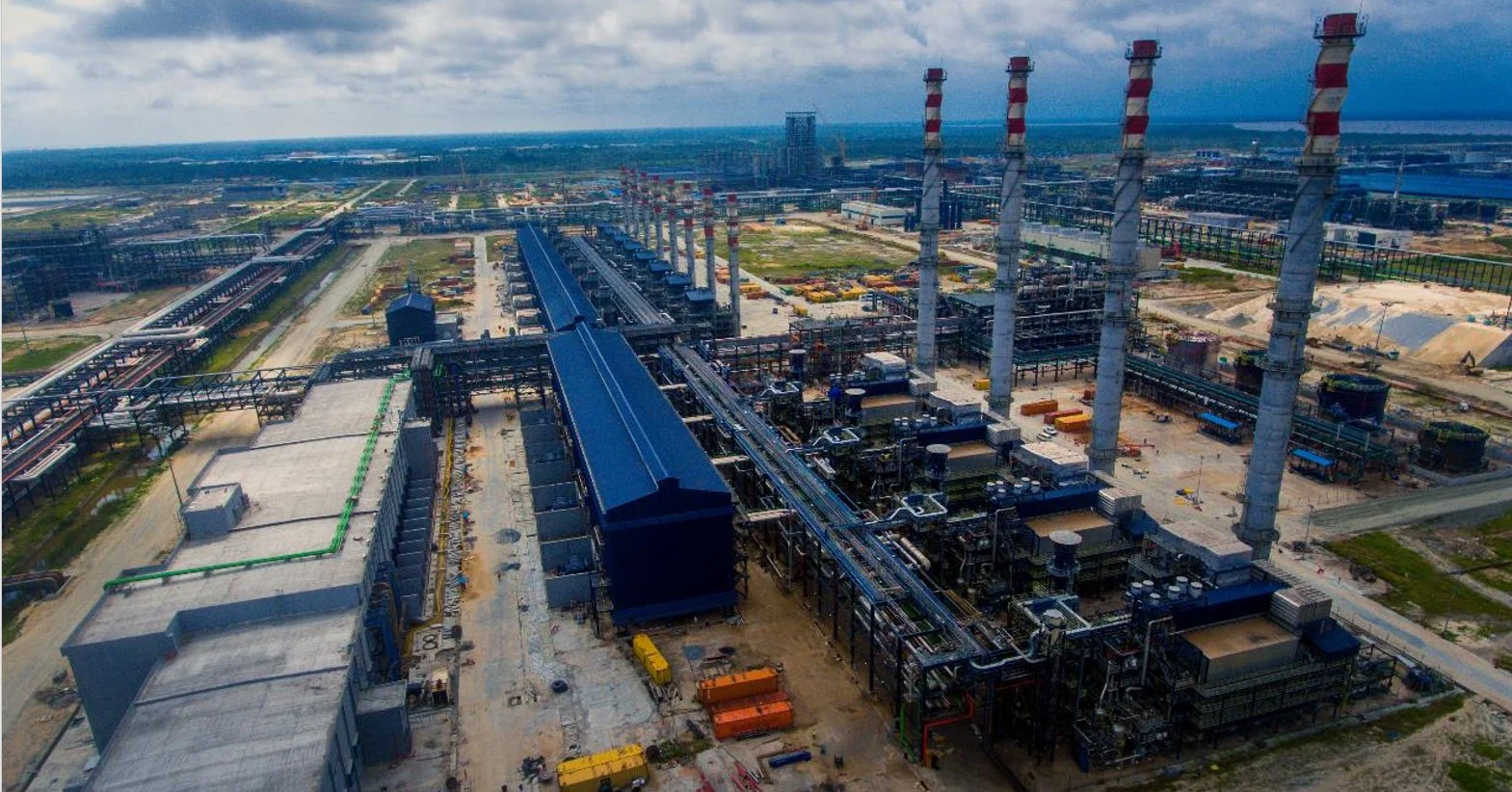
The Nigerian Midstream and Downstream Petroleum Regulatory Authority (NMDPRA) has announced that more than 12.6 million barrels of crude oil have been supplied to domestic refineries in 2025, with the Dangote Refinery receiving the largest share. The disclosure was made yesterday in Abuja by the Authority’s Chief Executive, Farouk Ahmed, at the annual conference of the Energy Correspondents Association of Nigeria (ECAN).
Ahmed revealed that crude supply to local refineries has more than doubled in two years—from about 20,000 barrels per day (bpd) in 2023 to over 40,000bpd in 2025. He attributed the increase to coordinated efforts between NMDPRA and the Nigerian National Petroleum Company Limited (NNPCL) to strengthen feedstock availability for both modular and large-scale refineries operating in the country.
The NMDPRA boss also addressed the Authority’s recent suspension of the proposed 15 per cent ad valorem tariff on imported petroleum products. He said the reversal was necessary to stabilise the market, ensure price predictability and prevent supply disruptions. “We have worked to improve domestic crude supply obligations and streamline logistics to guarantee refinery operations, particularly at the Dangote Refinery,” he said.
In a separate statement issued by NMDPRA’s Director of Public Affairs, George Ene-Ita, the Authority assured the public of steady fuel availability and urged Nigerians to avoid panic buying, noting that the country currently enjoys robust product supply from both domestic production and imports.
However, the policy reversal has drawn criticism from the Ogun State Chamber of Commerce, Industry, Mines and Agriculture (OGUNCCIMA), which warned that suspending the tariff could undermine Nigeria’s efforts to boost local refining capacity. OGUNCCIMA President, Niyi Oshiyemi, described the suspension as a setback to ongoing economic reforms and a missed chance to strengthen investor confidence in the energy sector.
According to Oshiyemi, the tariff would have provided essential protection for domestic refiners, including the Dangote Refinery and multiple modular plants. “The suspension of the 15 per cent fuel import tariff is disappointing. The policy was a step in the right direction to promote local refining, reduce dependence on imports, conserve foreign exchange and create a fair competitive environment for domestic producers. Its reversal sends a wrong signal to investors,” he said.
He further argued that the tariff would have helped ease pressure on the naira by reducing forex demand for imported fuel, noting that long-term energy security hinges on Nigeria strengthening its refining capacity rather than rolling back policies that support domestic production.
Ahmed also disclosed that the Authority had gazetted 18 new regulatory instruments and developed additional guidelines and standard operating procedures to improve efficiency and compliance across the midstream and downstream value chain.










 has announced that more than 12.6 million barrels of crude ....)