








Power generation companies (GenCos) have refuted claims by the Federal Government that an agreement has been reached on the settlement of the ₦4 trillion legacy debt in the power sector, stating that discussions are still ongoing.
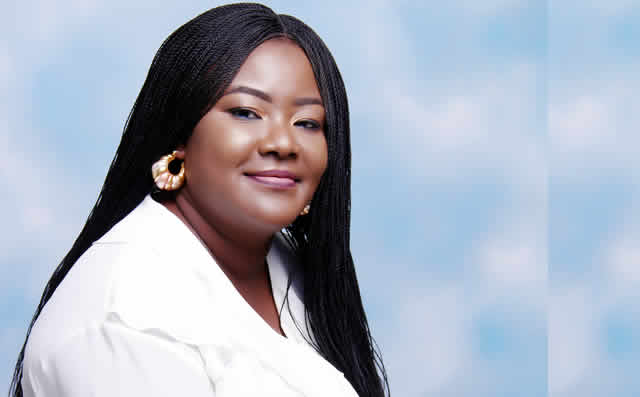
The Chief Executive Officer of the Association of Power Generation Companies (APGC), Dr Joy Ogaji, confirmed in an interview with The PUNCH that although GenCos have held meetings with top government officials to discuss modalities for payment, no concrete agreement has yet been finalised.
“Yes, the chairmen were invited to discuss modalities. I know that discussions are still ongoing. Nothing has been finalised or concretised. I can’t confirm it,” Ogaji said.
Her remarks come days after the Special Adviser to the President on Energy, Olu Verheijen, announced that the implementation framework for the Presidential Power Sector Debt Reduction Plan had been concluded. Verheijen described the initiative as a landmark step by President Bola Tinubu to address structural challenges in the electricity market and restore investor confidence.
According to her, the plan—approved by the Federal Executive Council in August 2025—authorises the issuance of up to ₦4 trillion in government-backed bonds to clear verified arrears owed to power generation companies and gas suppliers.
Despite the government’s assurances, GenCos maintain that they have not been fully carried along in the process. In September, Ogaji wrote to the Nigerian Bulk Electricity Trading Company (NBET) seeking clarification on the verification procedures and reasons for the lack of consultation with operators.
Ogaji also revealed that while operators continue to supply electricity out of patriotic commitment, mounting debts and unpaid invoices have made sustained power generation increasingly difficult.
“Gas suppliers have already started reducing supply. There are critical maintenance works on our machines, spares to purchase, and other creditors who are no longer willing to wait for payments,” she explained.
According to her, the GenCos issue monthly invoices of about ₦270 billion, but receive payments of only ₦70 billion, leaving an average shortfall of ₦200 billion every month. She also criticised the ₦900 billion allocation to the power sector in the 2025 federal budget as inadequate and lacking cash backing.
In a statement last week, Verheijen said that on October 7, she met with the Minister of Finance and Coordinating Minister of the Economy, Wale Edun, and the Minister of Power, Adebayo Adelabu, alongside senior GenCo executives to review settlement modalities for the outstanding debt.
The meeting reportedly ended with a consensus to conduct bilateral negotiations aimed at reaching final settlement agreements that balance fiscal realities with the financial constraints of the operators.
Industry leaders, including Tony Elumelu, Chairman of Heirs Holdings and Transcorp Power, and Owen Omogiafo, Group Chief Executive Officer of Transcorp Plc, have commended the initiative, describing it as a credible step toward addressing the sector’s liquidity crisis.
The Presidential Power Sector Debt Reduction Plan, jointly implemented by the Ministries of Finance and Power in collaboration with NBET and the Office of the Special Adviser on Energy, is expected to be the largest financial intervention in Nigeria’s power sector in more than a decade.
However, operators remain cautious, saying they are awaiting detailed timelines, verification procedures, and payment structures before confirming any binding agreement.
For GenCos, the lingering debt continues to undermine investment, threaten generation sustainability, and erode confidence in Nigeria’s electricity market.





 have refuted claims by the Federal Government that an agreement has been reached ...)