






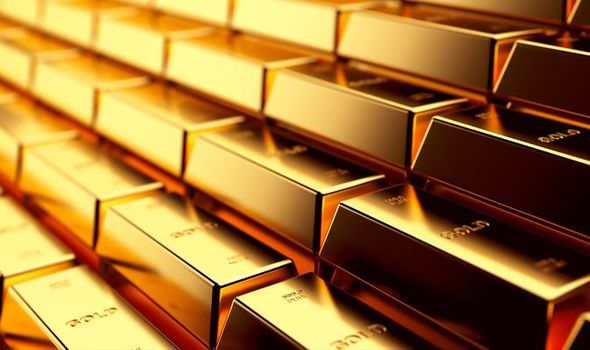
Gold has climbed to a new record high, breaking through $3,575 per ounce, as investors increase their shift into safe-haven assets amid rising geopolitical and economic uncertainties.
The rally has been supported by expectations of imminent US interest rate cuts, a weaker dollar, and strong central bank demand. Analysts say bullion’s momentum highlights growing unease in global financial markets.
The Federal Reserve is widely expected to announce a rate cut this month, as the US labor market weakens and recession risks rise. Lower rates tend to reduce the appeal of cash deposits and government bonds while boosting demand for gold.
The dollar index has slipped to its lowest level in more than a month, further lifting gold’s appeal to overseas buyers. Silver has also gained, crossing $40 an ounce for the first time since 2011.
Central banks remain key drivers of demand. The People’s Bank of China has expanded its bullion reserves for 22 consecutive months, while several Middle Eastern and Asian countries are also accelerating purchases. At the same time, supply growth has stalled due to stagnant mine output, fewer discoveries, and higher environmental costs.
Private investors are also reshaping portfolios. Exchange-traded funds are recording strong inflows, sovereign mints report higher bullion sales, and institutions are increasingly treating gold as a core holding.
Upcoming US non-farm payrolls data is expected to show further deterioration in hiring, strengthening the case for monetary easing. Broader political and fiscal uncertainties, including concerns over rising deficits and trade frictions, are also contributing to gold’s appeal as a hedge against volatility.
Market analysts suggest that gold’s trajectory will remain upward as high debt levels, unstable currencies, and persistent inflation continue to drive demand for safe-haven assets.