






You’ve probably seen the news floating around social media: the Independent National Electoral Commission (INEC) has kicked off physical voter registration across Nigeria. Yes, the online pre-registration ended on August 18, and now the in-person phase is live. For a lot of Nigerians—whether you’re still at home, thinking of japa, or already navigating your travel blogger lifestyle abroad—this process matters more than you think.
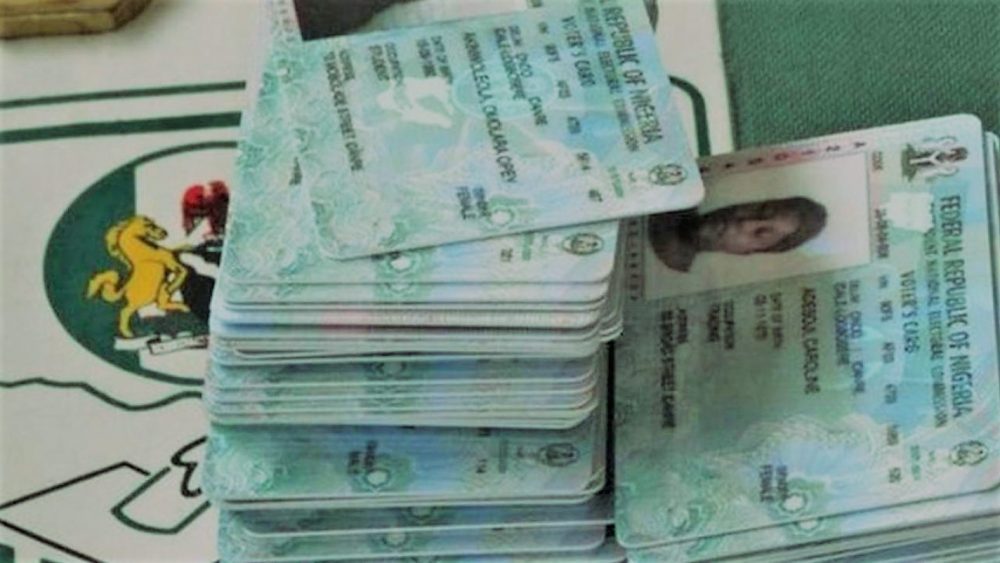
Why? Because your Permanent Voter Card (PVC) is more than a piece of plastic. It’s your ticket to shaping the future you often complain about in WhatsApp groups and airport lounges. And here’s the kicker: if you don’t complete this phase, that online form you filled means nothing.
So, let’s break it down. Here are seven things you absolutely need to know about the 2025 Continuous Voter Registration exercise.
1. Registration Is Now Physical—No More Sitting Behind Your Screen
INEC started things easy with online pre-registration, but now it’s time to show up in person. From Monday to Friday, 9:00 am to 3:00 pm, you’ll need to head over to your INEC State office or your Local Government office.
Think of it like picking up your boarding pass—you might have booked the ticket online, but until you physically check in, you’re not flying anywhere. Same logic here: no physical appearance, no PVC.
And for Nigerians abroad who are constantly refreshing flight deals to Lagos or Abuja—if you plan to vote in the near future, factor this registration into your travel calendar.
2. First-Timers, This One’s for You
If you’ve just turned 18 (or you’ve been 18 for a while but never got around to it), now’s your chance. This is your official entry into Nigeria’s democratic process. You’ll need some form of identification—national ID, driver’s license, or even your birth certificate—to confirm your eligibility.
Let’s be honest, many young Nigerians are skeptical about whether their votes matter. But here’s a reality check: 70% of Nigeria’s population is under 30. If you guys actually showed up, the numbers would flip the political script overnight.
3. Lost Your PVC? Don’t Panic
We all know how Lagos traffic, house moves, or even a little absent-mindedness can swallow up important documents. If your Permanent Voter Card has gone missing—or maybe it got bent in your wallet or chewed by your little cousin—INEC’s got you covered.
Physical registration also includes card replacement. It’s free, it’s straightforward, and it’s way less stressful than replacing a passport (ask anyone who’s been through that process at Ikoyi).
4. Moving to a New City? Transfer Your Registration
The japa dream doesn’t always mean Canada or the UK—sometimes it’s just relocating from Jos to Lagos for work or moving from Enugu to Abuja for school. And let’s face it: voting in your old neighborhood when you no longer live there is unrealistic.
That’s why INEC allows you to transfer your voter registration. It ensures you cast your ballot where you actually reside. It’s basically the electoral version of forwarding your mail, except this one decides who gets to govern your local reality.
5. Correcting Your Details Matters More Than You Think
Typos happen. Maybe your name was misspelled. Maybe you’ve changed your surname after marriage. Or maybe you moved and your address needs an update. This physical phase is your shot at fixing those details.
Why does it matter? Because even a small error can get you turned away on election day. Imagine standing under the hot sun at a polling unit, only to be told your details don’t match. Frustrating, right? Better to fix it now.
6. Online Pre-Registration Isn’t Enough—Finish What You Started
A lot of Nigerians jumped on INEC’s online portal in August, thinking they were done. But here’s the thing: that was just the first half of the journey. The physical registration is where the process gets sealed.
It’s like applying for a Schengen visa—you can fill the form online, but until you show up at the embassy with your documents and fingerprints, you’re not going anywhere. Same principle. If you don’t complete the second step, your application is as good as abandoned.
7. Find Your Registration Centre Before You Head Out
Nothing is more annoying than trekking across town only to hear, “Sorry, this isn’t the right centre.” INEC has published a full list of registration centres on its official portal, and it’s worth checking before you make the trip.
Some state headquarters handle bulk traffic, while others delegate to LGAs. Save yourself the frustration—look it up, confirm, and plan your route. Think of it as plotting your travel itinerary: no one books a hotel without knowing the address, right?
Why This Matters Beyond Voting
Here’s the part most people miss: your PVC is not just about elections. Increasingly, it doubles as a form of identification in Nigeria. Banks sometimes ask for it, government offices recognize it, and in certain cases, landlords even request it. So even if you’re not the most politically active person, that small card could save you headaches in everyday transactions.
And for those constantly plotting their japa journey, there’s another angle. Whether you plan to return in five years or ten, your voice in Nigeria still counts. The country you leave behind is the country you’ll meet when you visit for Christmas or when you eventually bring your kids “back home.” Voting isn’t just about the now—it’s an investment in the Nigeria you want to come back to.
A Quick Recap (Because Lists Make Life Easier)
Here’s what you need to remember about INEC’s physical voter registration:
- Show up physically, Monday to Friday, 9:00 am – 3:00 pm.
- First-time voters (18+) can register.
- Lost or damaged PVCs can be replaced.
- You can transfer your registration if you’ve relocated.
- You can update your name, address, or other personal info.
- Online pre-registration doesn’t count until you show up physically.
- Check the INEC portal for the nearest registration centre.
Final Word
Honestly, registering to vote isn’t the most glamorous thing to do. It won’t give you Instagram-worthy photos like Santorini sunsets or a safari in Kenya. But it’s one of those mundane, grown-up responsibilities that has ripple effects bigger than we often admit.
Whether you’re a travel blogger weaving Nigerian stories into your global adventures, a tourist curious about how democracy looks here, or a young Nigerian still debating the japa question—this process is your touchpoint with Nigeria’s future.
Because here’s the thing: change doesn’t just happen. It’s registered, step by step, person by person, card by card. And this week, that step starts with you showing up at your local INEC office.