







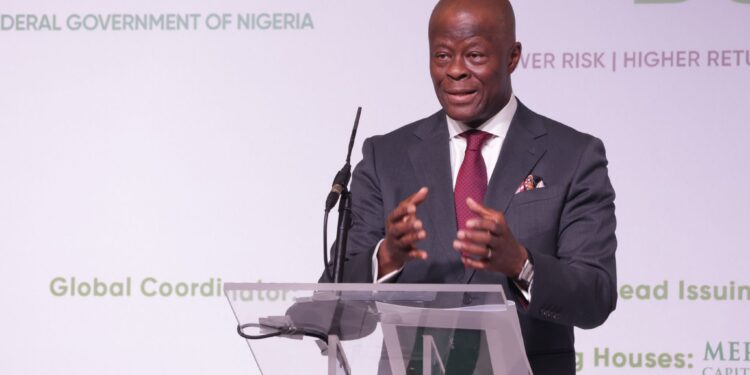
Nigeria’s Minister of Finance and Coordinating Minister of the Economy, Wale Edun, says the country’s economy is on a steady growth trajectory, fuelled by domestic reforms and supported by favourable global conditions.
Speaking at a press briefing in Abuja on Thursday, Edun revealed that Nigeria’s gross revenues surged by 37.4% in the first half of 2025. He outlined the Federal Government’s medium-term target of achieving 7% annual GDP growth, driven by public and private sector investments, job creation, and higher disposable incomes.

The minister stressed the importance of ramping up investment in key sectors — including agriculture, education, healthcare, manufacturing, technology, and infrastructure — while expanding Public-Private Partnership (PPP) frameworks to accelerate development.
According to Edun, fiscal discipline at the state level has improved significantly since mid-2023, with the combined fiscal balance of states rising from 1.8% of GDP (₦2.8 trillion) to 3.1% (₦7.1 trillion). He noted that much of this increased spending has been channelled into capital projects, aligning with the administration’s growth-focused strategy.
On the oil and gas front, Edun disclosed that average daily crude production in the first half of 2025 stood at 1.67 million barrels per day — below the budgeted 2.06 million barrels — while the average oil price fell short of the $75 per barrel benchmark, averaging $67 per barrel. He reaffirmed Nigeria’s compliance with OPEC quotas, adding that spending priorities have been shifted towards sectors with direct socio-economic impact.
Highlighting improvements in the energy sector, Edun stated that there has been no national grid collapse in 2025. He confirmed that all approvals have been secured to clear ₦4 trillion in legacy debts and to implement a sustainable repayment framework under the Electricity Act.
He also referenced the World Bank and African Development Bank-backed “Mission 300” initiative, which aims to provide electricity access to 300 million more Africans — with Nigeria positioned as a major beneficiary. He said this would unlock significant opportunities in manufacturing, agro-processing, and services.
Edun reiterated the Federal Government’s commitment to a coordinated fiscal and monetary policy approach aimed at reducing inflation, lowering borrowing costs for businesses, and improving household purchasing power.
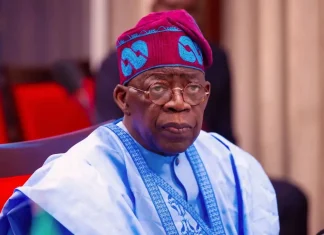
The minister emphasised transparency and open communication, noting that President Bola Tinubu’s administration is fostering competitive exchange rates and creating an enabling environment for export diversification, particularly under the African Continental Free Trade Area (AfCFTA) framework.
“Our focus is to maintain fiscal discipline while investing in education, healthcare, and infrastructure to drive long-term productivity and inclusive growth,” Edun said. “Nigeria is open for business, and we are determined to build an economy that works for everyone, anchored on transparency, resilience, and sustainable development.”