




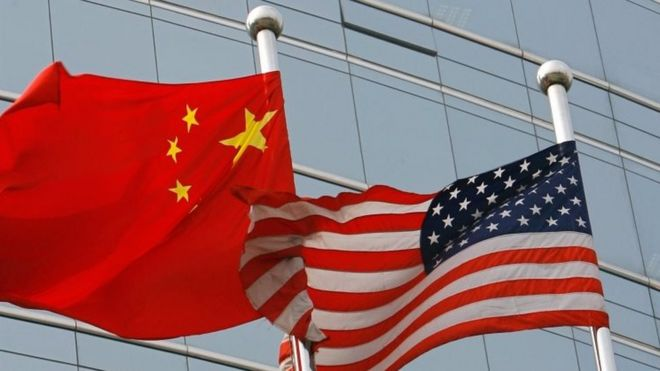
China’s manufacturing sector is slashing wages and cutting working hours as companies struggle to stay competitive under mounting pressure from the ongoing trade war with the United States, Reuters reports.
Factories such as Cartia Global Manufacturing in Foshan have reduced wage costs by about 30% to survive fierce competition from Chinese firms that have pulled out of the U.S. market due to steep tariffs and redirected their goods to other regions, including Australia, driving down prices.

Cartia’s owner, Mike Chai, said the company has already halved its workforce since the pandemic and is now shortening shifts and asking employees to take unpaid leave. “We’re in survival mode,” he said. “Our factory barely breaks even.”
Although China’s official unemployment rate remains around 5%, economists warn that underemployment and falling incomes are worsening as manufacturers cut costs to cope with tariffs and overcapacity. Consumer confidence is near record lows, retail sales are sluggish, and inflation was flat in July, underscoring the fragility of the economy.
Alicia Garcia-Herrero, chief Asia-Pacific economist at Natixis, noted: “It’s the people who are hammered by this model of huge competition and lower prices. To survive, companies need to lower costs and wages — it becomes a spiral.”
Reuters adds that the impact is not fully reflected in official data, as many workers are experiencing reduced hours or unpaid leave instead of outright job losses. Chai said he has already lost two major Australian customers to rivals and plans to lower prices by 10% and cut overtime — previously a key source of more than a third of workers’ income.
The use of short-term, temporary contracts is also rising as factory owners avoid pension and insurance obligations, hiring and releasing staff in line with fluctuating orders. Hourly pay for temporary factory workers has dropped from 16 yuan to 14 yuan over the past year, leaving workers like Alan Zhang in Guangzhou struggling to make ends meet.
Richard Yarrow, a fellow at Harvard Kennedy School, warned that squeezing manufacturing wages could create deflationary pressure on the broader economy.
The cost-cutting measures and rising job insecurity highlight the precarious position of China’s manufacturing workforce as trade tensions and global market uncertainty persist.