



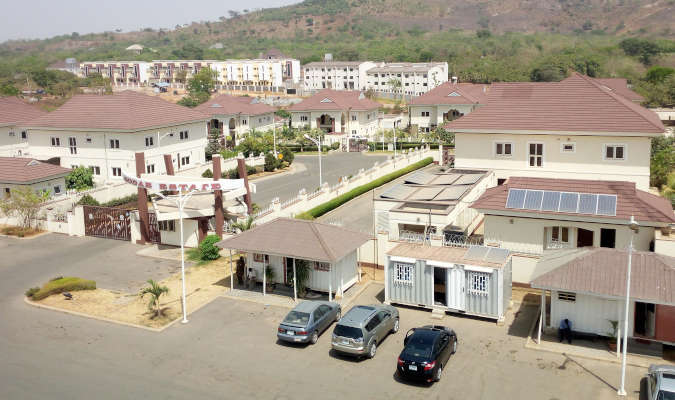
A new report has revealed that many Nigerian families, particularly in Lagos, are facing growing financial pressure as rents now consume between 50 and 70 percent of their monthly income.
The findings, published in the State of Lagos Housing Market Report, Volume 3, highlight a deepening housing crisis marked by stagnant wages, unregulated rent hikes, rising land prices, and limited access to affordable housing.

“Wages remain stagnant while rents consume 50 to 70 percent of income, increasing sharply, reducing affordability, and making home ownership unattainable,” the report stated.
It also noted that speculative land buying, costly and complex legalisation processes, and a mortgage system that excludes most residents are worsening the situation.
According to the publication by the Roland Igbinoba Real Foundation for Housing and Urban Development, developers are more inclined to build luxury apartments due to higher returns, while there are little to no incentives to invest in low-cost housing.
Respondents interviewed during the study described a pattern of arbitrary rent increases and a growing number of informal settlements, with residents forced to live far from their workplaces, incurring higher transportation costs and enduring long commuting hours.
“Affordable housing is far from jobs, leading to high commuting costs and long hours. Low-cost homes often lack basic services and infrastructure, compromising livability,” the report added.
It further identified inflation and soaring building material costs as major barriers to new developments, especially for small and mid-scale builders who typically serve middle-income earners.
“Speculation has driven up land prices even in remote areas, deterring genuine homebuilders. This behaviour inflates land values artificially and pushes ownership further out of reach for average citizens,” the report observed.
The 3rd edition of the State of Lagos Housing Market report builds on earlier versions released in 2009 and 2016. It underscores the need for urgent reforms and policy intervention to make housing more accessible and affordable in Nigeria’s commercial capital.