




The Federal Government has reiterated its commitment to ending the cycle of industrial actions in Nigeria’s tertiary education sector, promising improved engagement with academic unions and consistent implementation of agreements.
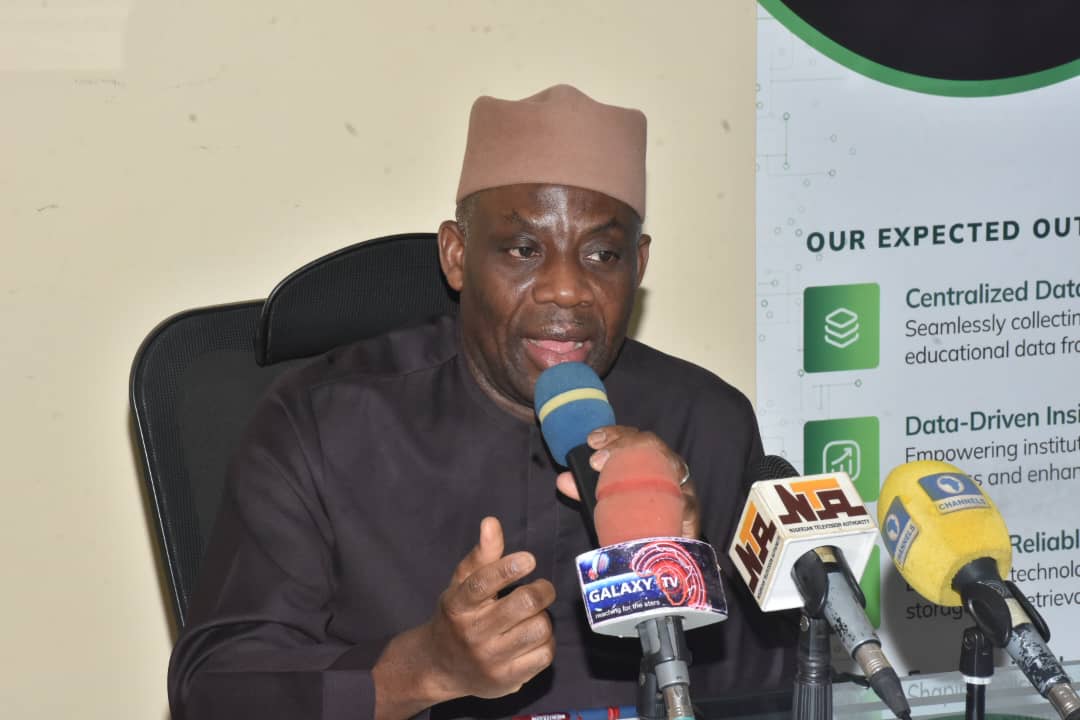
Minister of Education, Dr. Tunji Alausa, made this known in an interview with Channels Television on Tuesday, stating that President Bola Tinubu had given a firm directive to prevent further disruptions in the academic calendar.
“The President has directed that, not again — and I’ll borrow your words — not again ever in this country will ASUU or any of our tertiary institution trade unions go on strike,” Alausa said.
He stressed the importance of building stronger relationships with unions, including ASUU, NASU, SSANU, and COEASU, while also demonstrating the government’s sincerity in fulfilling its obligations.
“There has to be a lot of relationship-building with all our unions. And beyond that, the government must show goodwill by honouring its commitments,” he said.
Alausa criticised past administrations for failing to follow through on negotiated agreements with academic unions.
“Previous governments would sit with the unions, reach agreements, and then fail to implement them. That’s not what we’re doing now. We’re engaging with them actively,” he added.
Responding to concerns over delayed salaries in some institutions, the minister clarified that the government had not suspended payments. He explained that tertiary institutions, now operating under the Government Integrated Financial Management Information System (GIFMIS) after exiting the restrictive IPPIS platform, are experiencing some delays due to the salary payment structure.
“We’re paying salaries regularly. The only issue is timing. Government begins salary disbursement from the 25th of each month, with IPPIS users as the first priority. Those on GIFMIS sometimes receive payment around the 8th or 9th of the following month,” Alausa explained.
He assured that the government is working to streamline payment processes and avoid delays, in a broader effort to maintain stability and improve the quality of education in Nigeria’s tertiary institutions.