






More than one billion Africans are exposed to toxic smoke from cooking on open fires or using hazardous fuels, posing severe health and environmental risks, the International Energy Agency (IEA) has warned. The agency’s latest report describes the crisis as “one of the greatest injustices of our time,” with devastating consequences for public health and climate.
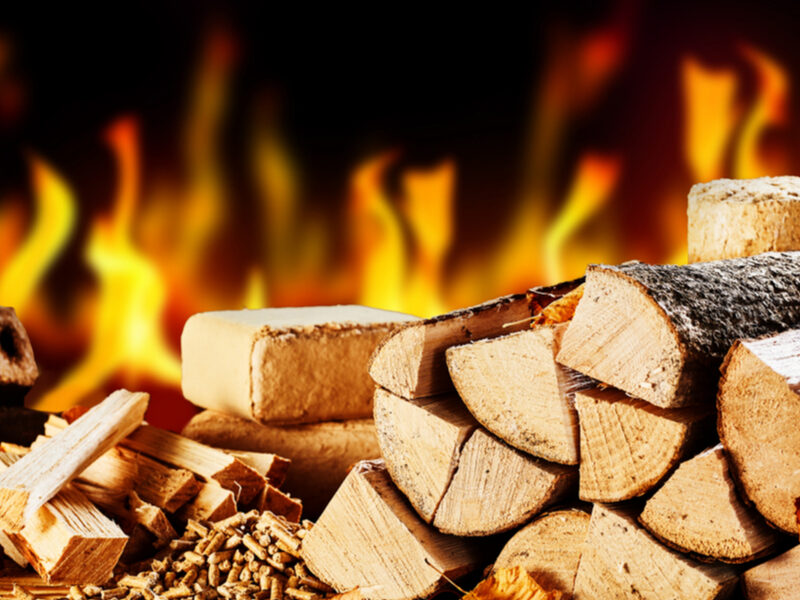
According to the IEA, four out of five households in Africa rely on wood, charcoal, agricultural waste, or manure for cooking. This practice not only fills homes with dangerous fine particles that trigger respiratory and cardiovascular diseases but also accelerates deforestation, removing vital carbon sinks that combat global warming. The toll is staggering: 815,000 Africans die prematurely each year from household air pollution linked to dirty cooking methods.
Globally, nearly two billion people still depend on open fires or rudimentary stoves, but the problem is most acute in sub-Saharan Africa, where progress has stalled despite gains in Asia and Latin America. Women and children bear the brunt of this crisis, spending hours daily searching for firewood instead of pursuing education or paid work, the report noted.
The IEA says the solution is clear and affordable. An annual investment of $2 billion—just 0.1 percent of global energy spending—could eradicate this problem for good, saving an estimated 4.7 million lives in Africa by 2040 while cutting greenhouse gas emissions by 540 million tons a year, equivalent to the entire aviation sector’s output.
Efforts are underway. A landmark summit in Paris last year secured $2.2 billion in pledges, with $470 million already disbursed to kick-start projects like stove manufacturing in Malawi and affordable clean cooking programs in Uganda and Ivory Coast. But Birol insists more urgency is needed: “For once and for all, this problem can be solved. The time for action is now.”