






Keypoints
- The World Bank projects Nigeria’s economy to grow at an average of 4.2% between 2026 and 2028, supported by macroeconomic stabilization and structural reforms.
- A new report, “Nigeria’s Tomorrow Must Start Today,” warns that 40% of Nigerian children are stunted and 52% are not “developmentally on track” before starting school.
- High inflation continues to erode purchasing power, with the bank urging the government to save oil windfalls and replace blanket subsidies with targeted cash transfers.
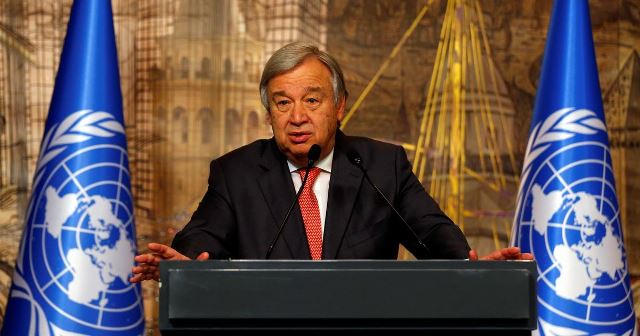
- World Bank Country Director Matthew Verghis characterized the state of early childhood indicators as a “crisis” that threatens the country’s long-term high-income aspirations.
Main Story
The World Bank has issued a dual-track assessment of Nigeria’s future, pairing a cautiously optimistic economic forecast with a dire warning regarding the country’s human capital.
Presenting the April 2026 Nigeria Development Update (NDU) in Abuja, Lead Economist Fiseha Haile projected a growth rate of 4.2% through 2028.
This outlook is buoyed by ongoing market reforms and a positive external position, though Haile cautioned that rising global uncertainty, particularly the 2026 Middle East conflict poses significant risks to domestic stability.
However, the report’s primary focus shifted to the “invisible” crisis of Early Childhood Development (ECD). Country Director Matthew Verghis emphasized that the window from pregnancy to age five is the most sensitive period for brain development.
Despite the high stakes, Nigeria’s metrics remain alarming: 110 out of every 1,000 children die before age five, and gaps in clean water, nutrition, and maternal healthcare continue to disproportionately affect the northern regions and low-income households.
Verghis argued that prioritizing these early years is not just a social duty but an economic necessity, with annual returns on investment estimated as high as 13%.
The Issues
The primary challenge is the “inflationary squeeze” that prevents families from accessing the nutrition and healthcare vital for early development. While the government has centralizing oil and gas revenues, the World Bank warns that these windfalls must be treated as temporary. The report calls for a shift away from “inefficient blanket subsidies” toward a more surgical approach of targeted social support. Additionally, structural barriers such as import bans and high tariffs are identified as major contributors to high production costs, which in turn drive the inflation currently neutralizing the benefits of recent fiscal reforms.
What’s Being Said
- “These figures should be treated as a crisis for a country with Nigeria’s aspirations,” stated Matthew Verghis, World Bank Country Director.
- Fiseha Haile, Lead Economist, noted that while the outlook is positive, “inflation continues to erode purchasing power,” requiring a tighter monetary and FX policy.
- The report suggests that Nigeria must “improve market efficiency by restoring competition in the fuel sector” and “reducing trade barriers” to lower the cost of living.
- The Gates Foundation and the National Economic Council are reportedly collaborating with the World Bank to scale interventions across all 36 states.
What’s Next
- The Federal Government is expected to work with state governors to integrate child-centered frameworks into primary healthcare systems.
- Economists will be watching to see if the government implements the recommended “trade liberalization” measures, such as reopening imports and removing certain bans, to tackle food inflation.
- The National Economic Council is set to finalize a comprehensive national programme on ECD to coordinate interventions from pregnancy through age five.
Bottom Line
While Nigeria’s 4.2% growth trajectory offers a glimmer of macroeconomic hope, the World Bank’s report makes it clear: without an immediate, massive investment in the health and nutrition of its youngest citizens, the nation’s long-term economic stability remains built on a fragile foundation.