








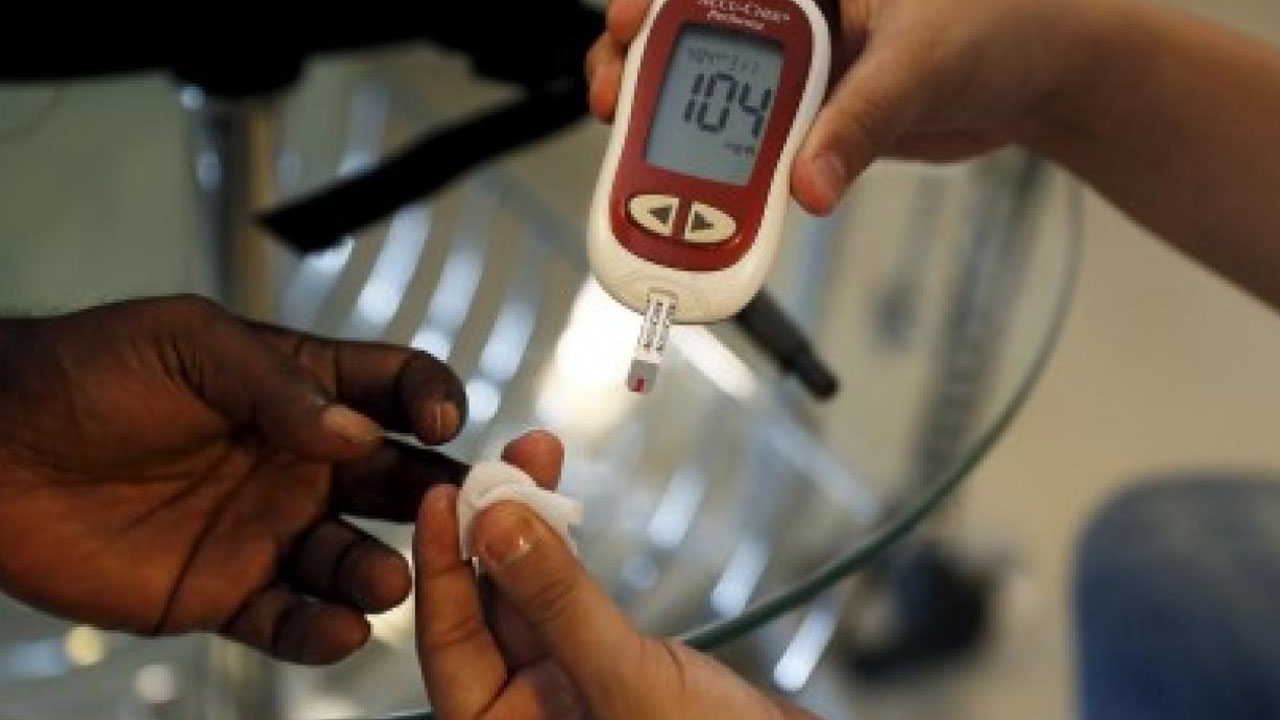
The World Health Organisation (WHO) has revealed that over 24 million adults aged between 20 and 79 are currently living with diabetes across Africa — a figure projected to soar to 60 million by 2050 if urgent action is not taken.
In a statement marking the 2025 World Diabetes Day in Abuja on Thursday, the WHO Regional Director for Africa, Dr Mohamed Janabi, described the continent’s rising diabetes burden as “unprecedented,” attributing it to rapid lifestyle changes, increasing obesity rates, and inadequate access to preventive and primary healthcare services.
According to Janabi, nearly 12 million people — representing half of Africa’s diabetic population — remain undiagnosed, silently facing heightened risks of complications such as heart disease, kidney failure, blindness, nerve damage, and premature death.
“The scale and speed of this trend demand urgent and sustained action. Without intervention, diabetes will overwhelm our health systems, strain economies, and erode decades of development gains.”
The WHO chief stressed that health systems across Africa must be resilient, well-resourced, and capable of delivering continuous care — from prevention and early detection to long-term treatment and support.
He noted that this year’s World Diabetes Day, themed “Diabetes Across Life Stages,” underscores that the disease affects children, adolescents, adults, and the elderly alike, with each age group requiring tailored interventions.
“Diabetes spares no one. Prevention and care must extend across the entire life course.” Janabi said.
Dr Janabi recalled that in 2024, African member states endorsed the Framework for the Implementation of the Global Diabetes Compact in Africa, reaffirming their commitment to equitable and comprehensive care.
Under this framework, countries like Ghana and Uganda have begun integrating diabetes and cardiovascular services into primary healthcare, ensuring earlier detection and more accessible management.
The WHO, he added, is supporting countries in scaling up effective interventions through the WHO Package of Essential Non-communicable Disease Interventions (WHO PEN), now operational in 31 African countries, and the PEN-Plus initiative, implemented in 20 countries to expand access to quality, affordable chronic disease care at the primary level.
Janabi urged African governments to move beyond policy declarations and translate commitments into measurable results by strengthening governance, increasing funding for non-communicable disease programmes, and mainstreaming diabetes care into national health systems.
“The time to act is now. By investing in prevention, early diagnosis, and sustained care, Africa can reverse this worrying trajectory and secure a healthier future for its people.”
The WHO estimates that diabetes-related deaths and complications could rise sharply if current trends persist, underscoring the urgent need for coordinated regional and national responses across the continent.




 has revealed that over 24 million adults aged between 20 and 79 are currently living with ...)