







This article was written by Adetokunbo Modupe– Chairman/Group CEO At TPT international LTD
The media plays a pivotal role in shaping public opinion, establishing agendas, holding public institutions accountable, and impacting economic, social, and political developments.
As a vital watchdog for democracy, it informs, entertains, and educates across virtually all aspects of life. Utilising this powerful institution was not merely a necessity; it was essential for those wishing to amplify their voices, enhance visibility, and promote their offerings.
This necessity eventually created a gap and the need for intermediaries, or agents, to communicate with media operators to promote their content and advance their perspectives. This led to the emergence of media relations, a foundational component of public relations.
Media Relations as a Fundamental Element of Public Relations.
Long before the development of what is now widely recognised as Public Relations, media relations served as an intersection. The evolution of contemporary Public Relations practice originated in a narrow focus on drafting and distributing press releases and on maintaining amicable relationships with media practitioners.
Due to its limited scope, media relations was predominantly treated as an ‘as-needed’ task within organisational management structures. Practitioners’ contributions to corporate or institutional value chains received minimal or optional recognition.
Growth stagnated because the briefs issued were either tactical, reactive to crises, or required for isolated announcements.
The consolidation of media relations with other conversation and reputation management tools.
The advancement of democracy, global trade, and liberalisation made reputation a critical asset for businesses, institutions, and governments seeking public acceptance or alignment.
To manage reputation effectively, additional functions such as internal/employee relations, government/public affairs, lobbying, community relations, corporate communications, crisis communications, event management, content development, ideation, monitoring and evaluation were integrated into the broader scope of Public Relations.
Despite the consolidation of these components, media relations remained the most consistently employed and perhaps better-understood Public Relations tool, particularly among publicity-seeking individuals.
For an extended period, other elements within PR practice remained subdued, as media relations continued to dominate, even when other aspects were critically needed.
Media Relations in the Era of Traditional Media
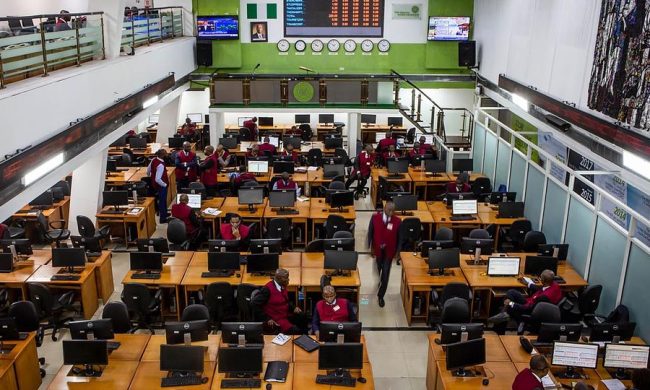
Traditional or mainstream media are primarily driven by human effort. For any content to be published in a newspaper or included in a news bulletin, editors in those organisations must deem it newsworthy.
Before content is published, it passes through a complex processing system involving correspondents, reporters, staff writers, sub-editors, line editors, title editors, and, in some cases, the editor-in-chief.
Effective media relations management was essential for practitioners offering media relations services. As publicists or public relations organisations depend on journalists for news dissemination, the importance of maintaining a strong relationship with operators persists.
Some clients, unable to afford structured PR firms, opted to leverage journalists directly without strategic consideration. Consequently, media relations gained popularity both within and outside Public relations.
The Ground Shifting Era of Digital Transformation.
In the era of digital transformation, particularly in the early 2000s, reputation management became increasingly relevant. With search engines and online conversation windows becoming the new fad, the swift proliferation of digital platforms and social media expanded the conversation space. The growing innovations and inventions in the digital space began to erode the relevance and influence of traditional media. The delay of waiting to be informed through newspapers, radio, or television, a day or days after the events, was no longer the case as news became instant through multiple social media channels.
Digital transformation didn’t just disrupt media. It democratised it. The survival of traditional media now depends on how digitally aligned they are and the niche they serve.
Waning Relevance of Media Relations.
As the conversation window shifted and expanded rapidly in favour of digital platforms, social media, podcasting, influencer tribes, real-time streaming, and now artificial intelligence, they have fundamentally rewritten how people consume information. Focus has also shifted to the dynamism of the complex, multichannel digital medium, where content and access are the major drivers.
The Millennials, Gen Z, and Gen Alpha-dominated population don’t wait for the news—they find content on their terms, on their platforms, in formats they choose. The ever-changing content consumption habits of the new demographies require a strategic shift for public relations professionals to adopt, if not invent, new ways to connect their clients to their targets.
How Has This Affected ‘Media Relations’ Practice?
As Malcom X once observed,” the media constitutes the most influential entity on the planet. It possesses the capacity to declare the innocent guilty and the guilty innocent”… That power hasn’t disappeared—it has simply migrated, and the practitioners who haven’t followed it are being left behind.
Because in practice, media relations is operator (human) driven. However, with media democratisation triggered by digital transformation, the human element is now less required. Moreover, traditional media content is now substantially commercialised.
For media relations, the question is how much is required and whether the little will require a professional’s time and commitment.
Will traditional media and media relations go extinct?
Perhaps not so soon. Here’s what I’m seeing in practice: smart professionals are no longer relying on traditional media as the primary channel. Instead, they are using it as a credibility validator—a platform to verify facts, anchor trust, and lend legitimacy to viral content in an era of deep fakes and misinformation.
That distinction matters a great deal. Traditional media is no longer the engine of visibility or storytelling. It’s the seal of authenticity.
The Real Question
If media relations is no longer the engine, what replaces it?
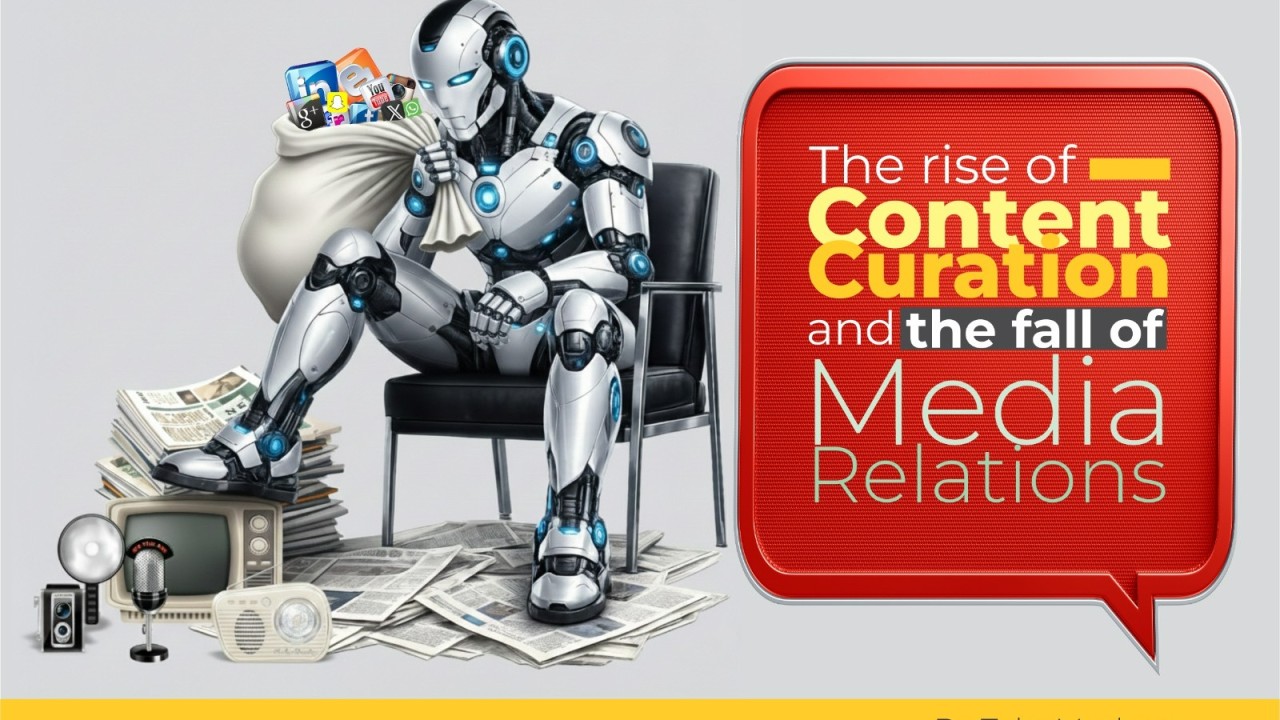
I’d argue it’s content curation—the ability to strategically create, package, and deliver the right message to the right audience through the right channel at the right time. It is no longer about press conferences but mind preferences.
This is the single biggest shift in our profession today. And it demands an entirely different skill set.
Next, I will discuss faith marketing.