




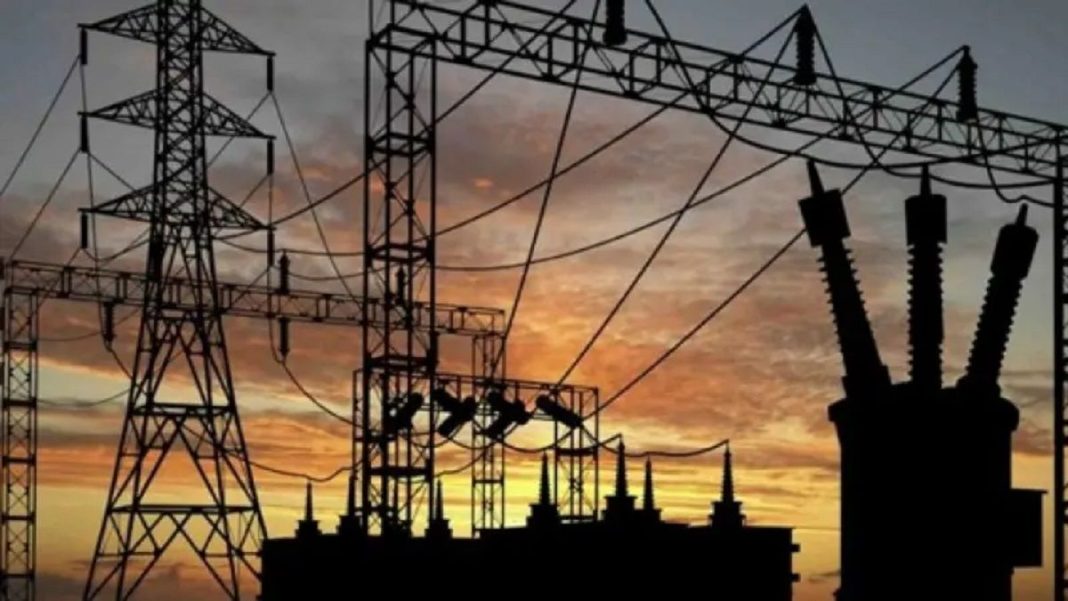
Electricity supply across Nigeria is facing renewed pressure as gas shortages disrupt operations at power generation plants, raising fears of widespread outages if urgent steps are not taken to resolve mounting debts in the gas-to-power value chain.
The development has already begun affecting electricity distribution in several regions, with distribution companies warning customers of reduced supply due to declining generation levels linked to gas constraints.
On Tuesday, the Enugu Electricity Distribution Company (EEDC) notified customers across the South-East of a significant drop in power availability. In a statement issued by its Group Head of Corporate Communications, Emeka Ezeh, the company attributed the situation to low system frequency resulting from gas shortages affecting power generation companies.
According to EEDC, the reduced generation has forced the Transmission Company of Nigeria (TCN) to implement load shedding, further limiting the amount of electricity available for distribution.
South-East Distribution Hit by Reduced Allocation
The company explained that the situation has directly impacted the energy allocated to EEDC, leading to lower daily service levels for customers served by its subsidiary operators — MainPower, TransPower, FirstPower, NewEra, and EastLand.
“The Enugu Electricity Distribution Company PLC wishes to inform electricity customers across the South-East region that the recent drop in power supply availability is due to low system frequency occasioned by gas constraints affecting generation companies,” the statement said.
“This development has necessitated the load shedding of available energy by the Transmission Company of Nigeria. As a result, energy allocation to EEDC and daily service levels to customers have been impacted.”
EEDC added that stakeholders within the electricity supply industry were working to address the challenge and restore normal power distribution, while apologising to customers for the inconvenience.
Port Harcourt DisCo Issues Similar Warning
The Port Harcourt Electricity Distribution Company also issued a notice to customers across its franchise areas, confirming that load shedding was underway due to poor generation and reduced allocation from generation companies.
“Kindly be informed that the current load shedding being experienced in all our franchise areas is a result of poor generation and allocation from the generation company and NCC,” the company said in a customer notice.
It appealed for patience, assuring consumers that generation companies were working to improve output and allocation levels.
Gas Producers Begin Supply Cuts Over Debts
Generation companies have confirmed that gas supply constraints are at the heart of the problem. Speaking to reporters, the Chief Executive Officer of the Association of Power Generation Companies, Joy Ogaji, said gas producers had begun cutting supplies due to outstanding debts owed to them.
Nigeria experienced a similar crisis in the first quarter of 2024, when gas suppliers halted feedstock deliveries to thermal power plants over unpaid obligations, plunging large parts of the country into months of electricity shortages. Although government intervention resolved that episode, gas producers say they have continued supplying gas since then without receiving full payment.
₦185 Billion Approved, But Impact Unclear
In an effort to address the liquidity crunch, the Federal Government announced on December 4, 2025, that it had approved ₦185 billion for the settlement of outstanding debts owed to natural gas suppliers.
The Minister of State for Petroleum Resources (Gas), Ekperikpe Ekpo, disclosed the approval in a statement issued by his media aide, Louis Ibah, noting that the decision was taken a day earlier by the National Economic Council, chaired by Vice President Kashim Shettima.
Despite the approval, gas companies have proceeded with supply cuts, raising questions about the timing and implementation of the payment.
As of the time of filing this report, the spokesman for the Minister of Power, Adebayo Adelabu, Bolaji Tunji, had not responded to enquiries regarding the situation.
With gas supply disruptions persisting and generation levels yet to recover, electricity distribution across many parts of the country remains under strain. Industry stakeholders warn that unless liquidity challenges in the gas-to-power chain are urgently resolved, Nigerians could face prolonged power outages in the coming weeks.