

KEY POINTS:
- Petrol prices have risen to N1,040 per litre in Lagos and N1,080 in Abuja following fresh adjustments by fuel marketers.
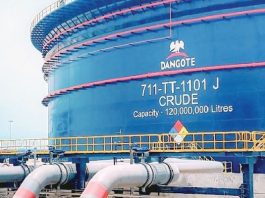
- The increase comes after the Dangote Refinery raised its ex-gantry price to N995 per litre.
- Rising global crude oil prices linked to Middle East tensions are expected to continue influencing domestic fuel costs.
MAIN STORY
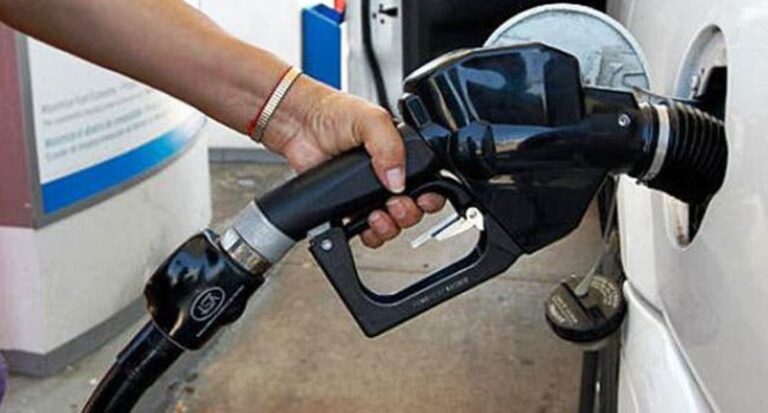
The pump price of Premium Motor Spirit (PMS), commonly known as petrol, has climbed to as high as N1,040 per litre in Lagos and N1,080 per litre in Abuja, following fresh price adjustments by fuel marketers.
The latest increase comes barely 24 hours after the Dangote Refinery raised its ex-gantry price of petrol to N995 per litre, triggering a ripple effect across retail outlets nationwide.
Market checks across several filling stations in Lagos and Abuja on Saturday showed that the commodity is now being sold at higher rates.
At retail outlets operated by NNPC Limited in Ilasa, Apple Junction and Ago Palace Way in Lagos, petrol was dispensed at N1,040 per litre, representing an increase of N47 from the previous price of N993 per litre.
Similarly, stations operated by Emadeb Energy and PM Petroleum along the Oshodi–Apapa Expressway were also selling the product at N1,040 per litre.
At a retail outlet of Techno Oil in Festac Town, the product was priced at N1,050 per litre, while stations operated by MRS Oil Nigeria sold petrol at N1,057 per litre.
In Abuja, petrol sold for N1,050 per litre at Gegu Oil Nigeria along the Kubwa Expressway, while Empire Energy filling stations dispensed the product at N1,080 per litre.
However, at an outlet operated by Ardova Plc (AP), the pump price was slightly lower at N959 per litre.
THE ISSUES
The latest price hike reflects the ongoing volatility in both domestic and international oil markets.
Fuel marketers say changes in ex-depot prices often translate quickly into higher pump prices, particularly in a fully deregulated downstream petroleum sector.
Industry analysts warn that persistent increases in petrol prices could further strain household spending and raise transportation and logistics costs across Nigeria’s economy.
WHAT’S BEING SAID
Market observers link the price surge partly to escalating geopolitical tensions in the Middle East, which have pushed global crude oil prices higher.
On Friday, crude oil prices climbed to about $91 per barrel amid intensifying conflict involving the United States, Israel, and Iran.
Energy analysts note that such developments often influence domestic fuel pricing, especially in import-dependent markets or in supply chains tied to international crude benchmarks.
WHAT’S NEXT
Industry watchers say petrol prices could remain volatile in the coming weeks depending on movements in global crude oil prices and supply conditions.
Further adjustments by refineries, depots and fuel marketers may also shape the trajectory of pump prices across major Nigerian cities.
BOTTOM LINE
With petrol prices already exceeding N1,000 per litre in major cities, Nigerians may face continued pressure from rising transportation and living costs as global oil market uncertainties persist.





,%20commonly%20known%20as%20petrol,%20has%20climbed%20to%20as%20high%20as%20N1,040%20per%20litre%20in%20Lagos%20...)