









KEY POINTS:
SEREC urges Federal Government to review the recent 15% port tariff increase approved for the Nigerian Ports Authority.
Experts warn the adjustment has triggered higher charges by terminal operators and shipping lines.
Stakeholders caution that revenue-driven regulation could undermine trade facilitation and maritime competitiveness.
MAIN STORY
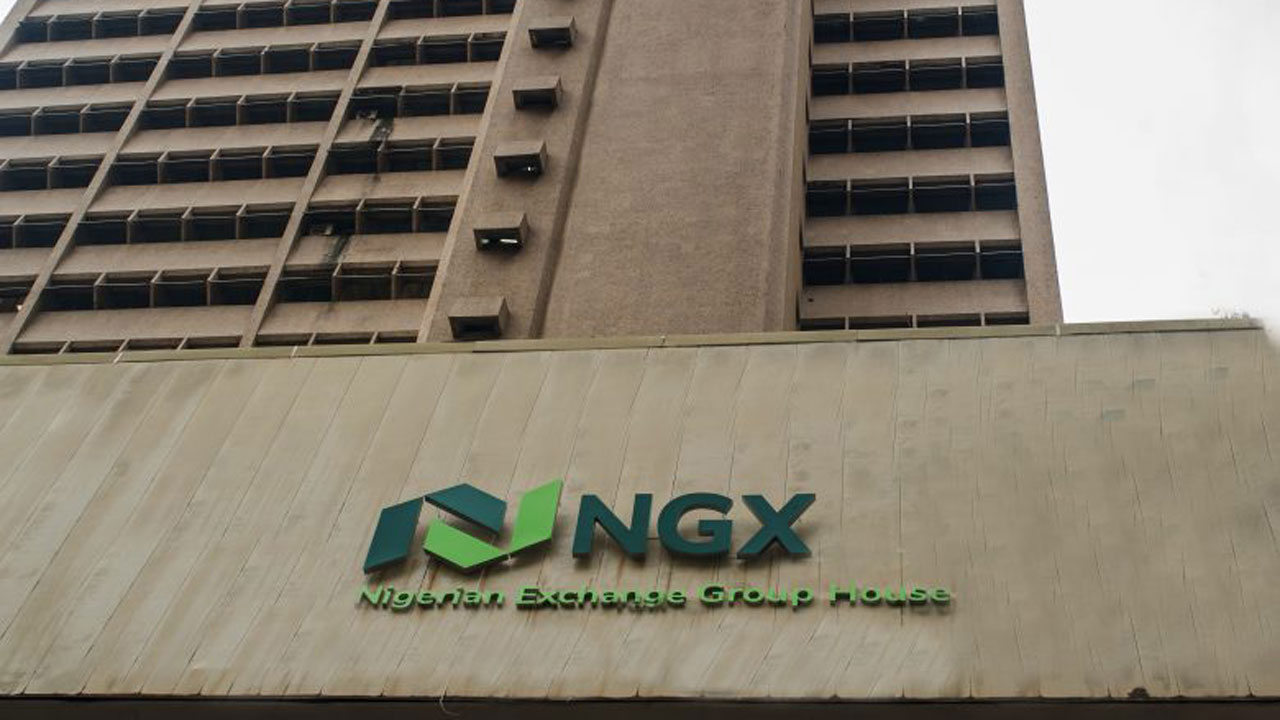
The Sea Empowerment and Research Centre (SEREC) has called for an urgent review of the recent tariff increase introduced by the Nigerian Ports Authority (NPA), warning that the adjustment could further raise the cost of doing business at Nigerian ports.
Head of Research at SEREC, Eugene Nweke, made the call in a statement issued on Friday in Abuja.
The development follows the announcement by the NPA that U.S. dollar-denominated port tariffs would now be adjusted every two years based on the Consumer Price Index for All Urban Consumers for the U.S. city average.
According to the port authority, the index—using 1982 as the base year—measures price changes calculated from the average of the previous two years.
The NPA also indicated that tariffs denominated in naira would be reviewed every three years in line with Nigeria’s Consumer Price Index.
The tariff adjustment came after the Federal Government of Nigeria approved a 15 per cent increase in port charges in February as part of efforts to improve port infrastructure and expand operational capacity.
THE ISSUES
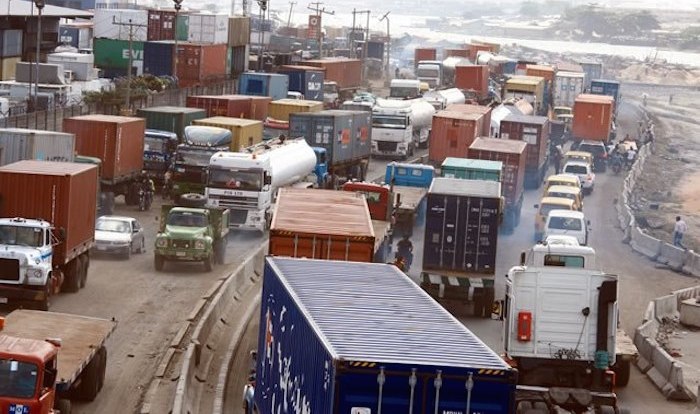
SEREC said the tariff adjustment has already triggered additional cost increases among terminal operators and shipping companies, worsening Nigeria’s already high port charges.
Nweke warned that assigning revenue targets to regulatory agencies could undermine their core statutory responsibilities and distort the governance framework within the maritime sector.
According to him, a broader pattern is emerging in which regulatory and technical agencies are increasingly driven by revenue benchmarks rather than operational efficiency.
He noted that the trend extends beyond maritime institutions to agencies responsible for product standards, freight regulation and environmental enforcement within port corridors.
“All port-related charges should undergo harmonisation and rationalisation to reduce systemic inefficiencies and excessive cost burdens on port users,” Nweke said.
WHAT’S BEING SAID
Nweke also expressed concern over what he described as aggressive revenue targets imposed on the Nigeria Customs Service, warning that such benchmarks often lead to valuation disputes, cargo reclassification controversies and operational delays.
He said initiatives such as the one-stop shop system and the Time Release Study were designed to reduce cargo dwell time and improve trade facilitation but risk being undermined by revenue-driven enforcement.
According to him, the Customs Service would perform more efficiently if assessed on cargo throughput targets rather than strict revenue expectations.
“If unchecked, this revenue-first orientation will increase business costs, worsen inflation and encourage cargo diversion,” he said.
He added that such a trend could also weaken regulatory institutions, encourage extortionary practices and erode investor confidence in Nigeria’s maritime sector.
WHAT’S NEXT
SEREC is urging the government to recalibrate policy and prioritise long-term maritime competitiveness over short-term revenue gains.
The organisation also stressed the need for the effective implementation of a National Single Window platform to streamline the operations of multiple agencies operating at Nigerian ports.
According to Nweke, the system should function as a genuine one-stop shop capable of eliminating overlapping responsibilities and improving operational efficiency.
BOTTOM LINE
Maritime stakeholders warn that while revenue generation is important, excessive tariff increases and revenue-driven regulation could undermine Nigeria’s port competitiveness, increase logistics costs and weaken the country’s position in regional and global trade.










 has called for an urgent review of the recent tariff increase introduced by the Nigerian...)