









Home Blog Page 63

NGX Market Capitalisation Jumps ₦1.18 Trillion As Eterna, PZ Cussons Drive Gains

Stock Exchange Closes Trading Week With N30bn Gain

The Nigerian Exchange (NGX) closed the week on a strong note, with total market capitalisation soaring by ₦1.18 trillion to reach ₦91.14 trillion at the end of Friday’s trading session.

The surge in portfolio value was attributed to renewed investor confidence and bargain hunting across key sectors of the market. Despite a marginal decline in the number of trades and overall transaction value, investor sentiment remained broadly bullish.

The All-Share Index (ASI) gained 1.02% week-on-week to close at 143,584.04 points, reflecting increased appetite for fundamentally strong equities. Market capitalisation climbed 1.31% following the listing of 14.14 billion ordinary shares of Wema Bank Plc, which added significant value to the bourse.

According to market analysts at Cowry Asset Management Limited, the ₦1.18 trillion rise underscored the market’s resilience and was bolstered by an impressive year-to-date return of 39.50%. The firm noted that sustained bullish momentum has been driven by investor confidence in Nigeria’s corporate fundamentals despite periodic profit-taking.

Market breadth stayed positive with 53 gainers against 43 decliners, yielding a ratio of 1.23x — a sign of cautious optimism among traders. Although the number of deals dipped slightly by 0.72% to 115,870, and transaction value dropped by 76.62% to ₦115.52 billion, traded volume rose by 9.35% to 8.40 billion units, indicating increased retail and mid-tier participation.

Sectoral performance was largely positive as five of the six major indices recorded weekly gains. The Oil & Gas index led the rally with a 5.68% rise, followed by the Commodities index (+2.94%), Industrial Goods (+1.66%), Banking (+1.17%), and Consumer Goods (+0.13%). The Insurance index was the sole laggard, shedding 2.02% due to profit-taking in select counters.

Among the week’s top-performing stocks, Eterna Plc led the pack with a 32.8% gain, followed by Enamelwa (+20.9%), PZ Cussons Nigeria (+20.9%), Livingtrust Mortgage Bank (+18.3%), and Eunisell (+17.6%).

Conversely, Julius Berger Nigeria Plc (Jberger) led the losers’ list, falling 17.8% week-on-week, while Intenegins (-11.1%), Union Dicon (-10.0%), Mansard Insurance (-10.0%), and UPL (-9.8%) also closed lower as investors shifted focus away from riskier counters.

Cowry Asset noted that the NGX is likely to sustain its upward trend in the coming week, supported by steady investor appetite for blue-chip stocks and strategic portfolio rebalancing ahead of the third-quarter 2025 earnings season.

The investment firm, however, cautioned that intermittent profit-taking and the reduction in block trades may cause short-term fluctuations, though overall sentiment remains positive due to robust year-to-date gains and broad-based sectoral growth.
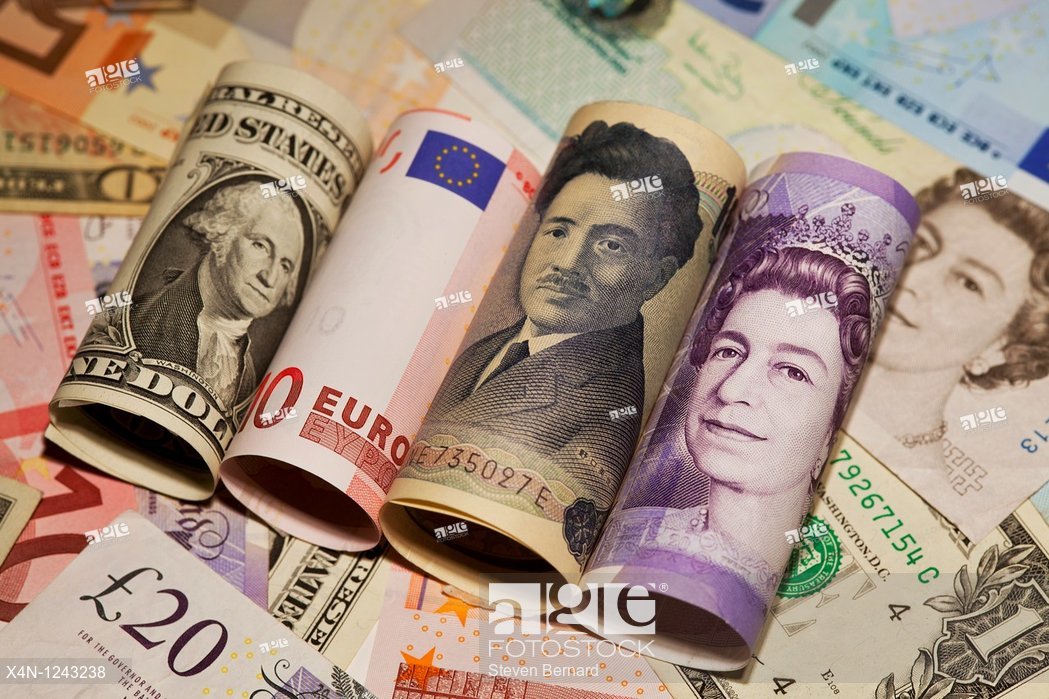
CBN Raises N98 Billion From OMO Auction Amid N3.32 Trillion Investor Bids

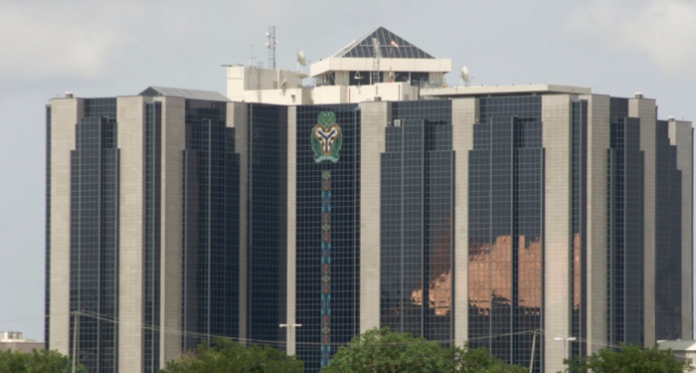
The Central Bank of Nigeria (CBN) successfully raised ₦98 billion through its latest Open Market Operation (OMO) auction on Friday, despite receiving bids totaling a massive ₦3.32 trillion from both domestic and foreign investors.

According to market data, the apex bank had initially offered ₦600 billion worth of OMO bills to commercial banks and offshore portfolio investors. However, the overwhelming demand underscored the high liquidity levels within Nigeria’s financial system and the increasing interest of foreign investors in naira-denominated assets.

The CBN floated the bills across three tenors — 88-day, 102-day, and 123-day maturities — as part of its liquidity management strategy. The auction marked the first significant issuance in weeks, following a prolonged period of market inactivity that had pushed liquidity levels in the banking system beyond ₦7 trillion, according to MarketForces Africa.

As banks with excess cash sought to place idle funds at the CBN’s standing deposit facility, the monetary authority responded with a sizable OMO issuance. The resulting bid-to-offer ratio of 5.5x highlighted the intensity of demand.

While the 88-day bills remained unsubscribed, the 102-day and 123-day maturities cleared marginally higher at 20.49% and 20.61%, respectively. Analysts noted that the CBN’s conservative approach — allotting only ₦98 billion — signals its preference for controlling system liquidity without expanding its debt issuance portfolio excessively.

Market observers believe the OMO auction reflects a delicate balance between maintaining exchange rate stability and managing inflationary pressures, as the apex bank continues to fine-tune monetary policy tools amid rising naira volatility and shifting investor sentiment.

Nigeria’s Foreign Reserves Hit $42.4 Billion, Highest Level Since 2019

Dollar

Nigeria’s gross external reserves have climbed to $42.407 billion, their highest level in six years, according to the latest data released by the Central Bank of Nigeria (CBN). The figure represents an increase of roughly $5.2 billion since July and a marginal rise from $42.353 billion recorded on September 30.

Despite several rounds of foreign exchange (FX) interventions aimed at stabilizing the naira in the official market, the nation’s reserves have continued to appreciate. Analysts attribute this upward momentum to stronger oil receipts, improved export earnings, and remittance inflows from Nigerians abroad.

Industry reports indicate that Dangote Refinery’s export proceeds and renewed participation of foreign portfolio investors (FPIs) in the Nigerian economy have also bolstered the reserves.

According to data from the CBN, the current level marks the highest reserve balance since September 2019, signaling a return of foreign investor confidence in Nigeria’s macroeconomic direction.

Analysts at TrustBanc Financial Group Limited project that the reserves could reach $45 billion before year-end, driven by increased capital inflows and steady oil export performance.

Nigeria’s foreign reserves had closed the first half of the year at $37.21 billion, following heavy FX interventions in Q1 and Q2. However, the nation’s improved fiscal discipline and transparency in FX operations under the current CBN leadership have restored investor trust.

TrustBanc analysts noted that the difference between the current CBN management and previous leadership lies in policy transparency and investor freedom, particularly the ability of FPIs to exit the market without restrictions.

“The policy shift has enhanced sentiment,” the firm said. “The apex bank’s decision to fund investor exits — selling over $2.75 billion within two months — was a significant confidence boost.”

Following the naira reform, several international rating agencies have revised Nigeria’s outlook positively, citing better foreign reserve management and policy consistency as key drivers.

U.S. Dollar Index Declines As Shutdown Shaves 0.1% Off Weekly GDP Growth

BREAKING: US, FG Sign Agreement To Return $23m Abacha-loot

The U.S. dollar index (DXY) slipped by 0.5% during the week, closing at 97.7, as growing economic uncertainty and a partial government shutdown weighed on investor confidence and GDP output.

The two-week government shutdown — caused by Congress’ failure to pass a budget for the new fiscal year starting October 1 — has disrupted key federal operations, delayed economic data releases, and heightened concerns about labor market weakness.

According to analysts, the shutdown has already reduced U.S. GDP growth by approximately 0.1% per week, as public sector activities grind to a halt. The Bureau of Labor Statistics (BLS) was forced to postpone the September jobs report, leaving investors to rely on weaker private data sources.

Recent indicators show a slowdown in the U.S. economy: ISM services activity stalled unexpectedly, ADP payrolls declined for the second consecutive month, voluntary quits fell according to the JOLTS report, and Challenger job cuts rose.

These developments have strengthened expectations that the Federal Reserve will proceed with further rate cuts despite persistent inflation. Markets are now pricing in at least two additional interest rate reductions before the end of the year.

JP Morgan analysts noted that the suspension of operations at key agencies, including the BLS and the Census Bureau, will delay vital data such as CPI, trade balance, and jobless claims, complicating the Fed’s decision-making process.

Michael Feroli, Chief U.S. Economist at JP Morgan, commented: “For as long as the shutdown persists, the Fed will be flying partially blind. But given the current macro environment, we still expect a rate cut in October.”

Historically, U.S. government shutdowns have had limited long-term effects on the markets, but economists warn that a prolonged impasse could dampen productivity and investor sentiment. “Each week of shutdown subtracts about 0.1% from annualized GDP growth,” Feroli added.

The uncertainty surrounding the labor market and potential job losses among federal workers could also undermine consumer spending, posing an additional risk to economic recovery heading into the final quarter of the year.

IMTOs And Offshore Dollar Inflows Strengthen Naira Amid Improved FX Liquidity

The Nigerian naira appreciated against the U.S. dollar last week, buoyed by strong foreign exchange inflows from International Money Transfer Operators (IMTOs) and offshore portfolio investors, according to market reports.

The uptick in the local currency’s value came as substantial dollar inflows strengthened the supply side of the market, while a softer U.S. dollar—triggered by weaker-than-expected U.S. economic data—further supported exchange rate stability.

Investment firms including Cordros Capital Limited and AIICO Capital Limited confirmed that the official exchange rate was influenced by these strong liquidity inflows, with the naira trading within the ₦1,445–₦1,468/$ band throughout the week. By week’s close, the naira settled at ₦1,465.68/$, representing a 1.01% appreciation week-on-week.

In the parallel market, the naira also strengthened by 1.48% to ₦1,488/$, reflecting spillover effects from improved liquidity and a steady rise in external reserves. Nigeria’s foreign reserves extended their upward trajectory for the twelfth consecutive week, increasing by $150.99 million to reach $42.41 billion as of early October. The gains were supported by higher oil receipts, remittance inflows, and portfolio investments.

However, oil prices experienced downward pressure, with Bonny Light crude falling by 4.66% to $69.94 per barrel, raising fiscal concerns over potential revenue shortfalls if the trend persists. Brent crude futures for November delivery declined by 6.78% to $64.53 per barrel, while West Texas Intermediate (WTI) settled 7.36% lower at $60.88 per barrel.

Meanwhile, gold prices continued their upward trajectory, climbing 3.31% to $3,886.84 per ounce, as investors sought safe-haven assets amid fears of a prolonged U.S. government shutdown and speculation of potential interest rate cuts. Analysts predict that gold could test the $4,000 per ounce mark if market uncertainty persists.

With improved FX inflows and stable investor sentiment, analysts anticipate the naira’s near-term outlook to remain positive, although risks tied to fluctuating oil prices and global market volatility could temper gains.

Nigeria’s Bond Yields Drop By 24bps As Investors React To Lower Spot Rates

FGN Bond For Jan. 2021 Oversubscribed

Yields on Federal Government of Nigeria (FGN) bonds declined by 24 basis points (bps) in the secondary market last week as investors responded positively to the results of the Debt Management Office (DMO)’s latest primary market auction.

Following the auction, the market saw robust demand, particularly for medium- to long-term maturities, leading to noticeable contractions in yields across various bond tenors. The bullish sentiment persisted through midweek before moderating toward the weekend, according to AIICO Capital Limited.

Market analysts observed that short-term instruments came under mild pressure, while mid-term bonds experienced increased investor demand. Long-dated bonds, however, traded relatively flat. Trading momentum slowed slightly toward the end of the week as investors turned their focus to the OMO auction, though mild price adjustments continued in the mid-segment of the yield curve.

Cowry Asset Management Limited reported strong trading activity in short- and mid-term bonds, reflecting renewed investor confidence in fixed-income securities amid uncertainties surrounding other asset classes. The average bond yield declined to 16.27% for the week, representing a 24-bps drop.

Cordros Capital Limited attributed the downward movement in yields to the lower-than-expected stop rates recorded at the September bond auction. Analysts noted yield contractions of 31 bps and 37 bps across the short- and mid-tenor segments, respectively, driven primarily by the demand for the January 2026 (-51 bps) and June 2033 (-65 bps) maturities.

The DMO’s September 2025 bond auction saw overwhelming investor participation, with subscription levels surpassing the offer size by 288.31%. Demand was particularly strong for the mid-term bonds, with bid-to-cover ratios reaching 2.32x for the five-year FGN AUG 2030 bond and a staggering 10.28x for the seven-year FGN JUN 2032 bond.

At the close of the auction, the DMO allotted ₦576.62 billion across both maturities—₦87.80 billion to the five-year bond and ₦488.82 billion to the seven-year instrument. The intense buying pressure drove clearing rates lower to 16.00% (-195 bps) for the five-year and 16.20% (-175 bps) for the seven-year tenors.

Analysts said the outcome reflects rising investor confidence in Nigeria’s medium-term debt instruments, fueled by steady liquidity, easing inflation expectations, and a generally stable macroeconomic environment.

Cordros Capital projected that strong demand in the secondary bond market would continue, supported by ample system liquidity and the CBN’s recent interest rate cut. However, it warned that investors may remain cautious toward longer-term instruments amid persistent fiscal concerns and elevated duration risks.

Nigerian Banks Channel Excess Liquidity To CBN At 24.5% Standing Deposit Rate

Nigerian Banks Limit Dollar Deposit To $5,000 Monthly

Commercial banks in Nigeria are increasingly channeling their excess liquidity into the Central Bank of Nigeria’s (CBN) Standing Deposit Facility (SDF), taking advantage of the adjusted interest rate pegged close to the monetary policy rate.

Market reports indicated that liquidity levels in the financial system climbed above ₦7.1 trillion last week as the apex bank refrained from extensive liquidity mop-ups. This development followed refunds from the CBN to commercial banks for excess cash reserve ratio (CRR) holdings, triggered by the recent reduction in the monetary policy rate (MPR) and CRR adjustments. These actions collectively boosted liquidity within the money market.

Despite the influx from maturing investment instruments, the CBN has remained largely inactive in deploying Open Market Operations (OMO) as a liquidity management tool, with analysts expecting such activities to resume before the fourth quarter Treasury Bills (T-Bills) issuance.

By the end of last week, the financial system’s liquidity had settled at ₦5.733 trillion, reflecting a dip from the previous peak. This moderation helped stabilize interbank rates, while banks continued to channel excess funds into the CBN’s SDF window.

AIICO Capital Limited disclosed that total funds parked in the SDF window exceeded ₦6 trillion, underscoring banks’ cautious approach toward riskier lending amid fears of increasing loan defaults. Similarly, Cowry Asset Management Limited noted that as of mid-week, ₦5.39 trillion had already been deposited with the CBN, signaling a subdued credit appetite among banks and a preference for risk-free placements.

Although liquidity levels remained elevated, cash flow in the system was constrained by heavy outflows such as ₦731 billion in OMO repayments and ₦1.26 trillion in Federal Government Bond settlements handled by the Debt Management Office (DMO). Additional debit transactions totaling ₦576.62 billion also tightened market liquidity. Nevertheless, overall liquidity closed the week at ₦5.73 trillion, marking a 43% week-on-week increase.

Analysts observed that despite the abundant liquidity, short-term borrowing rates remained firm. The overnight Nigerian Interbank Offered Rate (NIBOR) increased slightly by 10 basis points to 24.88%, while the Open Buy Back (OBR) rate held steady at 24.50%.

For the coming week, Cowry Asset Management anticipates that liquidity will remain strong, buoyed by upcoming maturities worth ₦250 billion in OMO bills and ₦230.76 billion in T-Bills. However, these inflows are expected to be offset by renewed liquidity sterilization efforts through fresh auctions.

The CBN last month lowered the benchmark interest rate by 50 basis points to 27% and revised the asymmetric corridor around the policy rate to +250/-250 basis points from +500/-100 basis points. CardinalStone Securities Limited noted that the adjustment means banks can now borrow from and deposit funds with the CBN at 29.5% and 24.5%, respectively.

Imisi Ayanwale Crowned Winner Of Big Brother Naija Season 10, Takes Home ₦80 Million Prize

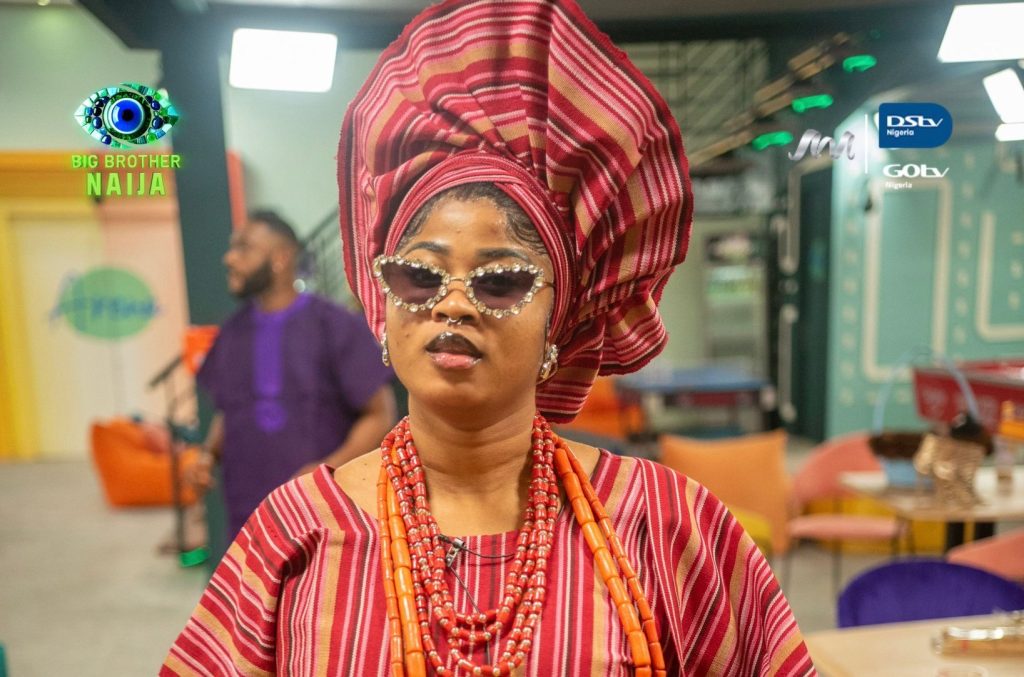
The long-awaited finale of Big Brother Naija Season 10 came to a thrilling end on Sunday night, as Imisi Ayanwale was declared the ultimate winner of Africa’s most popular reality television show. The vibrant housemate clinched the ₦80 million grand prize, marking the conclusion of a season packed with excitement, suspense, and emotional rollercoasters.

Imisi, fondly called “Ijoba 606” by her enthusiastic supporters, triumphed over a tough lineup of finalists, including Dede, who finished as the first runner-up, and Koyin, Kola, Isabella, and Kaybobo, who also made it to the finale. Her charm, comedic flair, and relatable energy endeared her to millions of fans across Nigeria and beyond.

Throughout the season, Imisi stood out for her quick wit, humorous commentary, and ability to diffuse tension with her infectious laughter. Viewers praised her down-to-earth personality and resilience during the show’s most demanding tasks, which helped her become one of the standout stars of the 10th edition.

The finale night was packed with anticipation and emotion, particularly following Koyin’s unexpected eviction that left viewers on edge. Moments later, Big Brother called both Dede and Imisi to leave the house for the main stage, where the announcement of the winner awaited.

As the show’s tradition dictates, the house lights were turned off after their departure—signaling the end of another unforgettable season that captivated fans for months. The symbolic moment marked the closing chapter of what many described as one of the most dynamic and entertaining editions in the show’s history.

Season 10 of Big Brother Naija delivered an exceptional mix of twists, emotional confrontations, and viral moments that dominated social media conversations week after week. From surprise evictions to unexpected alliances, this season kept both housemates and fans constantly guessing what would happen next.

With her well-deserved victory, Imisi Ayanwale joins an elite list of past Big Brother Naija champions, including Mercy Eke, Laycon, Whitemoney, Phyna, and Ilebaye, each of whom left a unique mark on the franchise. Her win not only cements her place in the Big Brother Hall of Fame but also reinforces the show’s enduring legacy as a platform that celebrates talent, authenticity, and connection.

As fans celebrate Imisi’s milestone achievement, many are already speculating about what comes next for the Season 10 champion—whether it’s acting, brand endorsements, or new media ventures. One thing is certain: Imisi’s journey from an ordinary contestant to a national sensation is proof that the Big Brother Naija dream is still alive and thriving.

BBNaija Season 10 Finale: Koyin Bows Out As Second Runner-Up, Leaving Imisi And Dede In Battle For The Crown

The tension soared on Sunday night during the grand finale of Big Brother Naija Season 10, as fan-favorite housemate Koyin was evicted, finishing the season as the second runner-up of the popular reality TV show.

The announcement sparked mixed emotions among fans and viewers across Africa, many of whom had predicted Koyin as the likely winner of the ₦80 million grand prize. His unexpected exit sent waves of surprise through the live audience, who had cheered passionately throughout the night.

Throughout the season, Koyin distinguished himself with his cool demeanor, infectious sense of humor, and undeniable charisma. From leading major group tasks to forming some of the most memorable alliances in Biggie’s house, he proved to be one of the most consistent and entertaining housemates this year.

With Koyin now out of the race, the spotlight shifts to Imisi and Dede, the last two contestants standing, as Big Brother prepares to unveil the ultimate winner of the Season 10 edition. The anticipation for the final announcement has reached fever pitch, with social media abuzz over who will walk away with the ₦80 million jackpot.

Koyin’s BBNaija journey will remain one of the highlights of the season—defined by creativity, resilience, and a loyal fan base known as the Koyinators. His strategic gameplay and crowd-pleasing personality made him a standout contender who left an indelible mark on the show’s history.

Koyin Emerges Last Man Standing As Sultana Exits BBNaija Season 10 Finale

The tension soared on Sunday night as Sultana became the latest housemate to be evicted from the Big Brother Naija Season 10 finale, leaving fans emotional and divided. Her departure marked her as the sixth finalist to leave the show, just moments before the announcement of the season’s ultimate winner.

Sultana, who earned a strong fan base for her outspoken nature and unwavering spirit, received a heartfelt farewell from both housemates and viewers. Many fans took to social media to applaud her confidence and resilience throughout her stay in Biggie’s house.

Following her eviction, only three contestants — Imisi, Koyin, and Dede — remain in the intense race for the ₦80 million grand prize. This development now positions Koyin as the last man standing and the only male contender to reach the grand finale of this season.

Koyin’s journey has been one of consistency and charm, earning him a loyal following among viewers who have praised his calm demeanor and strategic gameplay. His status as the last male finalist adds a layer of excitement and anticipation as fans eagerly await the final verdict.

The grand finale, hosted by Ebuka Obi-Uchendu, featured electrifying live performances from Adekunle Gold and Iyanya, keeping audiences across Africa glued to their screens. As the curtains draw on this highly competitive tenth season, viewers brace for the announcement of who will ultimately walk away with fame, glory, and the ₦80 million prize.

BBNaija Season 10 Finale: Kola Evicted as Race for ₦80 Million Grand Prize Heats Up

The tension at the Big Brother Naija Season 10 grand finale reached a new peak on Sunday night as Kola became the fifth and latest housemate to be evicted from the show. His exit marked yet another emotional twist in the competition for the coveted ₦80 million grand prize.

Throughout the season, Kola stood out for his charisma, humor, and lively personality, which earned him a loyal fan base across the country. Viewers fondly remember his vibrant interactions in Biggie’s house, his chemistry with fellow housemate Imisi, and his entertaining banter that often lightened the mood.

With Kola’s departure, only four contestants — Imisi, Koyin, Sultana, and Dede — remain in the running for the top spot as the reality TV show approaches its long-awaited conclusion.

The grand finale, hosted by media personality Ebuka Obi-Uchendu, has captivated millions of viewers across Africa. The event also featured electrifying live performances from Nigerian music stars Adekunle Gold and Iyanya, adding glamour and energy to what has become one of the most anticipated entertainment nights of the year.

As the final moments unfold, fans eagerly await the announcement of the Big Brother Naija Season 10 winner — a housemate who will walk away not only with the ₦80 million prize but also nationwide fame and new opportunities beyond the house.

Trump Administration Offers Migrant Children $2,500 To Leave The U.S. Voluntarily, Leaked Memo Reveals

A new federal memo has revealed that the Trump administration is offering unaccompanied migrant children $2,500 each to voluntarily leave the United States and return to their countries of origin. The policy, confirmed by NBC News, targets minors aged 14 and above who are currently held in the custody of the Office of Refugee Resettlement (ORR) under the Department of Health and Human Services (HHS).

The memo, distributed on Friday to legal service providers representing unaccompanied minors nationwide, described the offer as a reintegration incentive for those who choose to “self-deport.” It emphasized that the payment is meant to assist with the children’s reintegration into their home communities.

“The stipend is designed to support reintegration efforts after voluntary departures,” the notice stated.

According to the document, the Department of Homeland Security (DHS) has already identified minors who have expressed interest in voluntary departure or intend to file such requests.

Voluntary Return or Pressure Tactics?

While federal officials have defended the measure as a voluntary option, immigration advocates have condemned it as coercive and unethical.

Emily Covington, assistant director of ICE’s Office of Public Affairs, clarified in a statement that the program “gives unaccompanied minors a choice and ensures they can make an informed decision about their future.” She added that payments would be made only after a judge grants the child’s voluntary departure and upon their arrival in their home country.

However, advocacy organizations and child protection groups expressed alarm.

Wendy Young, president of Kids in Need of Defense, said the plan undermines U.S. laws designed to safeguard vulnerable children from trafficking and violence.

“Unaccompanied minors should never be removed without a full and fair legal process,” Young said. “This initiative erodes our country’s moral and legal commitment to protecting vulnerable children.”

Growing Concern Among Immigrant Communities

The initiative has sparked widespread concern across immigrant communities, particularly after reports emerged that the program was internally nicknamed “Freaky Friday”—a label ICE officials have denied using.

In Nebraska, Roxana Cortés-Mills of the Center for Immigrant and Refugee Advancement said her organization has received panicked calls from local schools and parents worried about the policy’s implications.

“In my nine years of working with unaccompanied minors, I’ve never seen anything like this,” she said.

Similarly, Dalia Castillo-Granados, director of the Children’s Immigration Law Academy in Houston, described the offer as deeply troubling. “These children are already in an extremely vulnerable position,” she said. “Offering them money to self-deport raises serious ethical concerns.”

Part of a Wider Deportation Push

The plan appears to align with the Trump administration’s broader strategy to encourage self-deportation among undocumented immigrants. A separate program reportedly offers $1,000 to adults and families who agree to leave voluntarily.

Over 300,000 unaccompanied minors have entered the U.S. since the Biden administration took office, many released to relatives or sponsors while awaiting immigration hearings. As of August, the federal government still held 2,011 unaccompanied minors in HHS custody.

While prior administrations—Democratic and Republican alike—have deported unaccompanied minors, this is the first known instance of offering financial incentives to encourage them to leave voluntarily.

Legal experts warn that such offers could violate child protection laws and international humanitarian standards.

“Pressuring minors to self-deport through financial means sets a dangerous precedent,” said Vanessa Dojaquez-Torres of the American Immigration Lawyers Association. “It’s troubling to see tactics designed for adults now being applied to children.”

The memo’s revelation has ignited a new chapter in America’s ongoing debate over border security, immigration ethics, and the treatment of migrant children.

BBNaija Season 10 Finale: Kaybobo, Isabella, Mensan, and Jason Jae Evicted As Top Five Finalists Battle For ₦80 Million Prize

The tension and excitement reached fever pitch on Sunday night as the Big Brother Naija Season 10 finale began with shocking evictions that left fans across Nigeria on edge. Four housemates — Kaybobo, Isabella, Mensan, and Jason Jae — were evicted from the top 10, marking a dramatic start to the grand finale of the reality show.

Kaybobo, who became a social media sensation earlier in the season after splashing ₦10 million to purchase immunity during the “Red Phone Twist,” was the first finalist to exit the show. His unexpected eviction stunned viewers who had regarded him as one of the most entertaining and strategic contenders in the house.

Renowned for his outspoken nature, sharp humor, and exceptional cooking skills, Kaybobo’s time in Biggie’s house was a rollercoaster of laughter, drama, and viral moments that dominated online conversations. His departure drew mixed reactions from fans who praised his bold gameplay but admitted his unpredictability might have cost him the win.

Shortly after, Isabella became the second housemate to be evicted. Known for her calm demeanor and strategic brilliance, Isabella impressed fans with her emotional maturity and consistent performance in tasks. Throughout the season, she stood out as one of the most balanced and emotionally intelligent housemates, earning her both admiration and respect from fellow contestants.

The night’s third and fourth evictions saw Mensan and Jason Jae exit the competition. Mensan, celebrated for his creativity and strong sense of teamwork, left behind a reputation as one of the show’s most collaborative and innovative personalities. Meanwhile, Jason Jae — the house’s easy-going crooner — captured hearts with his musical performances and authentic charm, building a loyal fanbase that carried him deep into the competition.

With their departure, the final showdown for the ₦80 million grand prize now lies between Koyin, Imisi, Kola, Sultana, and Dede — the Big Brother Naija Season 10 Top Five finalists. The battle for the crown is expected to be fierce as fans across the country rally behind their favorite contestants ahead of the final announcement.

The night wasn’t just about evictions; it was also a celebration of music and style. Spectacular performances from Adekunle Gold and Iyanya lit up the Big Brother stage, while host Ebuka Obi-Uchendu once again captivated viewers with his signature charisma and impeccable fashion sense.

As the curtain prepares to close on this milestone season, BBNaija fans eagerly await who will walk away with the coveted title and ₦80 million cash prize — a finale that promises to be one of the most memorable in the show’s history.

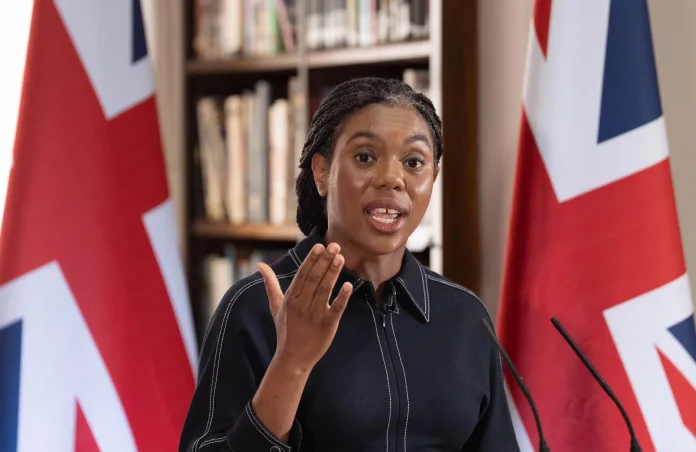
Badenoch Unveils Radical Border Crackdown Plan To Deport 150,000 Illegal Migrants Annually

UK Conservative Party leader Kemi Badenoch has announced a sweeping new immigration overhaul that she claims will mark the “toughest reforms Britain has ever witnessed.” The proposal, known as the Radical Borders Plan, is designed to identify, detain, and deport up to 150,000 illegal migrants from the United Kingdom each year.

In a video message shared on her X (formerly Twitter) account on Sunday, Badenoch detailed her vision for a tougher, more assertive border policy that would reshape Britain’s immigration system.

“My message is clear,” she stated. “If you are in the United Kingdom illegally, you will be detained and deported.”

The proposal introduces a new enforcement body, the UK Removals Force, which will function similarly to the U.S. Immigration and Customs Enforcement (ICE). The unit will have expanded powers to locate and remove undocumented individuals, marking a significant departure from previous border control practices.

Badenoch—who has long positioned herself as a hardliner on immigration—criticised both Labour and past Conservative administrations for their failure to curb illegal crossings. She accused Labour of mishandling the crisis, leading to record arrivals and escalating public costs.

“Successive governments have failed to secure Britain’s borders,” she said. “Labour promised to dismantle smuggling networks, but instead we saw over 50,000 illegal arrivals in a single year and billions wasted on asylum hotels. Britain deserves a serious, credible plan—and we are delivering it.”

Under Badenoch’s proposed plan, asylum applications from illegal entrants would be barred entirely. The Human Rights Act would be repealed, and the UK would withdraw from the European Convention on Human Rights, a move that would dramatically shift the country’s human rights framework.

She also promised that all new illegal arrivals would be deported within seven days, with legal obstacles removed to expedite mass removals. Countries that refuse to repatriate their citizens would face visa restrictions and sanctions.

According to Badenoch, the reforms will “shut down the asylum hotel industry,” save taxpayers billions of pounds, and restore public confidence in Britain’s immigration system.

“Only the Conservatives have the courage and determination to secure our borders,” she added. “If you come here illegally, you will be deported.”

Criticism and Controversy

Badenoch’s proposal, however, sparked controversy during her appearance on BBC’s Sunday with Laura Kuenssberg, where she dismissed questions about where deported migrants would be relocated.

“I’m tired of irrelevant questions about destinations,” she said. “They’ll return to where they came from—or another suitable country—but they won’t stay here.”

Reports from Sky News revealed that the new Removals Force would replace the existing Home Office Immigration Enforcement division, gaining powers to use facial recognition technology without prior consent to identify and process undocumented migrants.

If enacted, the policy would mark one of the most extensive transformations of the UK’s immigration system in decades—fueling debate over the balance between national sovereignty, human rights, and humanitarian obligations.

TechConnect 5.0: Interswitch To Convene Industry Leaders To Chart The Future Of Nigeria’s Financial Ecosystem

Building on the success of previous editions, Interswitch, one of Africa’s leading integrated payments and digital commerce companies, has announced the fifth edition of its flagship TechConnect forum, a premier platform designed to spotlight transformative solutions and shape the future of Nigeria’s financial ecosystem.

This year’s edition themed, UNITED FRONTIERS: Growth Powered by Innovation, Collaboration and Compliance,’ will draw C-suite executives, policymakers, and industry decision-makers to explore emerging technologies, share insights, and forge stronger partnerships across the sector.

TechConnect 5.0 will tour three cities in October including Enugu on October 7 at the Carlton Swiss Grand Hotel, Abuja on October 14 at The Wells Carlton Hotel, and Lagos on November 11 at the Federal Palace Hotel and Casino, Victoria Island, for the grand finale. Each event will feature high-impact product showcases, thought-provoking panel sessions, and real-world case studies demonstrating how Interswitch’s solutions are driving business growth nationwide.

Commenting on the upcoming forum, Akeem Lawal, Managing Director, Payment Processing and Switching (Interswitch PurePay), said:

“TechConnect 5.0 is an invaluable opportunity to bring together leaders and innovators across Nigeria’s financial sector. This year, we are focused on promoting collaboration, showcasing practical solutions, and driving compliance and innovation throughout the industry. We look forward to engaging with our customers and partners, sharing insights, and demonstrating how Interswitch solutions are enabling business growth while strengthening the wider ecosystem.”

Building on its legacy as a premier knowledge-sharing and business-enablement platform, TechConnect

5.0 will give participants hands-on experience of Interswitch’s suite of solutions. The forum aims to demonstrate how innovation, collaboration, and compliance can translate into tangible business results. Attendees will engage in interactive sessions, live product demonstrations, and client success stories, all designed to empower organisations with practical strategies for sustainable growth.

This year’s forum will also feature keynote speeches from industry leaders, fireside chats with innovators, and award presentations recognising standout contributions. These activities are designed to inspire fresh thinking, celebrate excellence, and foster stronger connections across the financial services ecosystem.

By bringing together key players across finance, technology, and policy, TechConnect 5.0 reinforces Interswitch’s role as a trusted partner in driving digital transformation. The event highlights the company’s commitment to powering Africa’s digital economy, advancing financial inclusion, and shaping a resilient, innovation-led future.

Interswitch To Host TechConnect 5.0 In Enugu, Abuja And Lagos, Showcasing Next-level Financial Solutions

Building on the success of previous editions, Interswitch, one of Africa’s leading integrated payments and digital commerce companies, has announced the fifth edition of its flagship TechConnect forum, a premier platform designed to spotlight transformative solutions and shape the future of Nigeria’s financial ecosystem.

This year’s edition themed, UNITED FRONTIERS: Growth Powered by Innovation, Collaboration and Compliance,’ will draw C-suite executives, policymakers, and industry decision-makers to explore emerging technologies, share insights, and forge stronger partnerships across the sector.

TechConnect 5.0 will tour three cities in October including Enugu on October 7 at the Carlton Swiss Grand Hotel, Abuja on October 14 at The Wells Carlton Hotel, and Lagos on November 11 at the Federal Palace Hotel and Casino, Victoria Island, for the grand finale. Each event will feature high-impact product showcases, thought-provoking panel sessions, and real-world case studies demonstrating how Interswitch’s solutions are driving business growth nationwide.

Commenting on the upcoming forum, Akeem Lawal, Managing Director, Payment Processing and Switching (Interswitch PurePay), said:

“TechConnect 5.0 is an invaluable opportunity to bring together leaders and innovators across Nigeria’s financial sector. This year, we are focused on promoting collaboration, showcasing practical solutions, and driving compliance and innovation throughout the industry. We look forward to engaging with our customers and partners, sharing insights, and demonstrating how Interswitch solutions are enabling business growth while strengthening the wider ecosystem.”

Building on its legacy as a premier knowledge-sharing and business-enablement platform, TechConnect

5.0 will give participants hands-on experience of Interswitch’s suite of solutions. The forum aims to demonstrate how innovation, collaboration, and compliance can translate into tangible business results. Attendees will engage in interactive sessions, live product demonstrations, and client success stories, all designed to empower organisations with practical strategies for sustainable growth.

This year’s forum will also feature keynote speeches from industry leaders, fireside chats with innovators, and award presentations recognising standout contributions. These activities are designed to inspire fresh thinking, celebrate excellence, and foster stronger connections across the financial services ecosystem.

By bringing together key players across finance, technology, and policy, TechConnect 5.0 reinforces Interswitch’s role as a trusted partner in driving digital transformation. The event highlights the company’s commitment to powering Africa’s digital economy, advancing financial inclusion, and shaping a resilient, innovation-led future.

NESG-Stanbic IBTC Business Confidence Monitor

In September 2025, businesses in Nigeria sustained a positive trajectory, with the Current Business Performance remaining in the expansion region since December 2024. The NESG–Stanbic IBTC Business Confidence Monitor (BCM) reported a marginal rise to 107.9 points, up from 107.3 in August 2025. This improvement reflects a combination of sectoral dynamics, notably a rebound in Agriculture, supported by the harvest season, and steady activity in the Services sector.

A sectoral review confirmed that all five broader economic activities stayed in the expansion zone. Agriculture posted the strongest recovery, rising sharply to 107.3 from a contractionary 95.6 in August, while Non-manufacturing (114.5), Trade (107.6), and Manufacturing (102.5) all expanded, albeit at a slower pace compared to August.

Key BCM sub-indices, such as investment, exports, access to credit, and prices, registered marginal gains relative to August 2025, pointing to improving sentiment in capital formation and external trade. Importantly, recent improvements in cost of doing business and input prices suggest a gradual moderation of inflationary pressures on firms. However, this positive trend remains fragile, as financing constraints, erratic electricity supply, high commercial property costs, unclear policy signals, and persistent insecurity continue to undermine business confidence and investment appetite.

Comment from Stanbic IBTC

The current business performance of Nigerian businesses improved slightly in September relative to August, buoyed by both the Agriculture sector and Services, both of which neutralised the modest activity softening in Manufacturing, Non-manufacturing, and Trade sectors. A breakdown of the components of the current business performance shows an improvement in the general business situation, a higher level of demand, improved employment conditions and greater access to credit relative to the prior month. Besides, the cost of doing business has declined for the third consecutive month, while the price index has remained below the 100 index points psychological threshold since November 2024, implying underlying price pressures as moderating. This is not surprising as fuel cost and exchange rate pressures, which negatively impacted prices in 2024, have seen limited price movements so far in 2025. Notably, the exchange rate appreciated by 5.5% year-to-date (as of 2nd October) relative to 40.9% depreciation in 2024 and fuel cost declined by 13.8% in 7m:25 relative to 77.0% price increase in 2024.

We estimate that the oil and non-oil sectors may have grown by 14.3% y/y and 4.4% y/y, respectively, translating into overall GDP growth of 4.5% y/y in Q3:25. We now lift our 2025 growth forecast to 4.0% y/y, from 3.5% y/y, after fully accounting for the impact of GDP rebasing, and after surprisingly good Q2:25 GDP growth. Going into 2026, the non-oil sector’s growth should remain strong amid a likely reduction in interest rates and low inflation, both of which should support aggregate demand and private investment. Further, a likely less exchange rate volatility in 2025 and 2026 based on our current estimates should support growth across trade, manufacturing, real estate, and construction. Aside from that, the forward-linkage impact of Dangote Refinery should benefit manufacturing growth in the medium term. The IMF expects the Dangote Refinery to increase non-oil GDP growth by c.1.5% in 2026. Oil refining has already grown for a third consecutive quarter, to 15.78% y/y in Q2:25, from 11.51% y/y in Q1:25, although its contribution to the manufacturing sector remains insignificant, at 0.1%.”

Stanbic IBTC FUZE Talent Show 2025 Kicks Off Fourth Season

The Stanbic IBTC FUZE Talent Show 2025, themed “The Ultimate Show”, now in its fourth edition, promising more entertainment and inspiration for audiences across Nigeria. The show, which celebrates creativity in music, dance, fashion, and technology, will air weekly on Africa Magic Showcase (DStv 151) at 5 pm and AIT (DStv 253) at 7pm, with highlights available on Stanbic IBTC’s YouTube channel @stanbicIBTC.

Speaking about the kickoff, Olumide Oyetan, Chief Executive, Stanbic IBTC Pension Managers, said: “FUZE is that platform where young Nigerians can showcase their creativity and innovation, and where the public can witness first-hand the incredible potential within our nation. We are proud to continue providing this stage for talent to shine.”

Stanbic IBTC, through FUZE, continues to underline its commitment to youth empowerment, creativity, and entrepreneurship. By providing a platform where contestants can display their skills to millions of viewers, the organisation reinforces its role in shaping opportunities beyond the financial sector.

Viewers are encouraged to tune in every week to watch the contestants compete, connect with the judges, and take a step closer to the finale of Nigeria’s most inspiring talent showcase. Tune in and experience“The Ultimate Show” and be part of the journey as Nigeria’s brightest talents compete for greatness.

Stanbic IBTC Bank Nigeria PMI

The Nigerian private sector remained comfortably inside growth territory as the third quarter of the year came to an end. Further marked improvements in output and new orders were recorded, while the pace of job creation quickened to the fastest in almost two years. Companies were helped by the recent alleviation of inflationary pressures, which largely continued into September. In fact, firms’ purchase costs increased at the slowest pace in five-and-a-half years.

The headline figure derived from the survey is the Purchasing Managers’ Index™ (PMI®). Readings above 50.0 signal an improvement in business conditions on the previous month, while readings below 50.0 show a deterioration.

The headline PMI posted above the 50.0 no-change mark for the tenth month running in September to signal a sustained improvement in the health of the Nigerian private sector. Although falling to 53.4 from 54.2 in August, the PMI again pointed to a solid strengthening of business conditions.

New business increased markedly in September amid improvements in customer demand and the launch of new products. In line with the headline index, however, the rate of growth eased to a three-month low.

The rise in new orders fed through to a sharp expansion of business activity, with increases seen across each of the four broad sectors covered by the report.

Higher output requirements encouraged firms to expand their operating capacity in September, with both employment and purchasing activity raised.

Staffing levels increased modestly, but at the sharpest pace since October 2023. Meanwhile, the rate of growth in input buying remained sharp and fed through to an accumulation of inventories. Respondents indicated that stocks of purchases had been raised to cater for current and future demand, as well as to facilitate new product development.

Suppliers’ delivery times shortened markedly again, and to the largest degree in five months.

Companies continued to see a general easing of inflationary pressures in September. Overall input prices increased at the slowest pace in two-and-a-half years amid weaker rises in both purchase prices and staff costs. In fact, the rate of purchase price inflation was the softest since March 2020.

Input costs continued to rise at a marked pace overall, however, and companies thereby increased their own selling prices accordingly. Despite ticking up from August, the pace of output price inflation was still the second-slowest in more than five years.

Efforts to increase staffing levels and build inventories were among more general business expansion plans which are set to support growth of business activity over the coming year. Firms remained optimistic regarding the 12-month outlook, but sentiment eased slightly to a four-month low and was weaker than the series average.

Stanbic IBTC Holdings PLC Announces The Appointment Of A Substantive Group Chief Executive

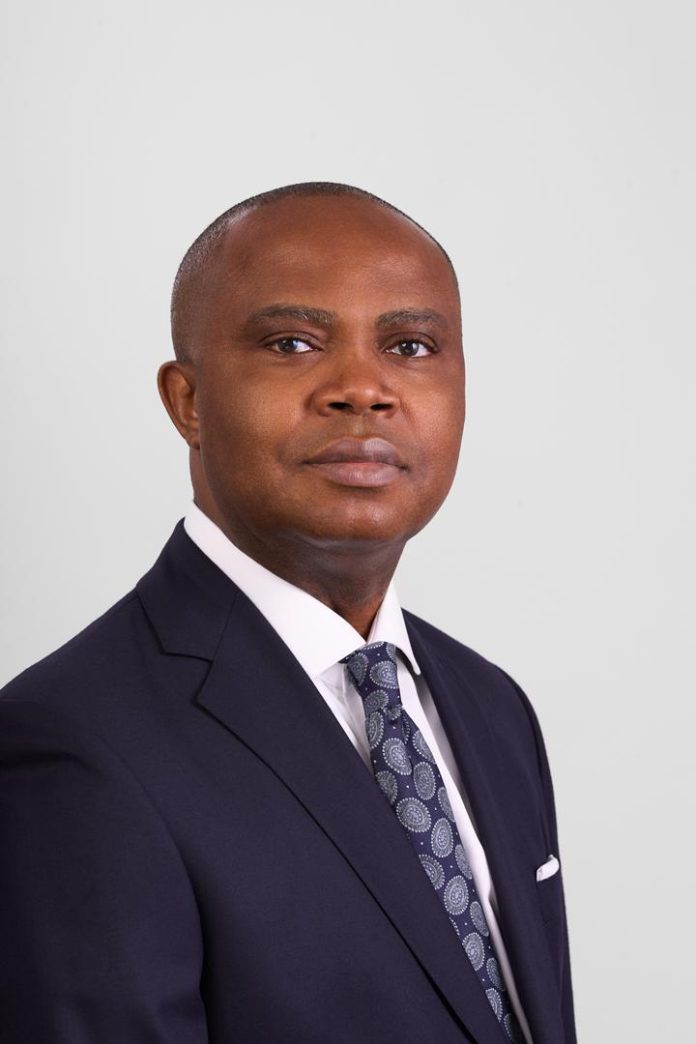
The Board of Stanbic IBTC Holdings PLC (the “Company”) is pleased to announce the appointment of Mr. Chukwuma (Chuma) Nwokocha as the substantive Group Chief Executive, with effect from 02 October 2025, following the receipt of all required regulatory approvals.

Mr. Nwokocha’s appointment follows the completion of Dr Adekunle Adedeji’s tenure as Acting Chief Executive, during which time the Board undertook a formal appointment process in accordance with regulatory requirements. Dr Adedeji will continue in his role as Executive Director/Chief Finance and Value Management Officer of the Company.

Commenting on the development, Mrs Sola David-Borha, the Chairman of the Company, expressed the Board’s delight at Mr Nwokocha’s appointment, highlighting his strong track record in board governance, financial oversight, strategic transformation as well as regulatory engagement.

The Chairman also extended the Board’s deep appreciation to Dr Adedeji for his exemplary leadership and dedication; and for steering the affairs of the Company and Group during the transition period: “It is worthy of mention that under Dr Adedeji’s leadership, the Group recorded its best financial performance since inception. The Group also successfully completed its Rights Issue Programme which ensured that its banking subsidiary met the Central Bank of Nigeria’s recapitalization requirements ahead of the 31 March 2026 deadline.”

Mr. Nwokocha is a seasoned banking executive and chartered accountant with over three decades of leadership experience across Africa. He has held several Chief Executive and Board-level roles in leading financial institutions including Chief Executive, Standard Bank, SA; (the Mozambican subsidiary of the Standard Bank Group), driving strategic growth, governance, and operational excellence. His expertise spans retail and corporate banking, as well as mergers and acquisitions.

The Board is confident that Mr. Nwokocha’s leadership would be instrumental in driving the growth strategy of Stanbic IBTC Group into the future.

BizWatchNigeria.Ng
Privacy Overview

This website uses cookies so that we can provide you with the best user experience possible. Cookie information is stored in your browser and performs functions such as recognising you when you return to our website and helping our team to understand which sections of the website you find most interesting and useful.