









Home Blog Page 551

Access Holdings Receives Karlsruhe Award For Outstanding Business Sustainability Achievement For The Eighth Consecutive Time

Access Holdings Plc has been honoured with the prestigious Karlsruhe Award for Outstanding Business Sustainability Achievement for the eighth consecutive time.

Presented at the Global Sustainable Finance Conference (GSFC) organised by the European Organisation for Sustainable Development (EOSD) in partnership with the city of Karlsruhe, Germany, the Award underscores the sustainability commitment demonstrated in the way Access Holdings conducts its business operations and activities.

Delivering the opening remarks at the Awards event, the Lord Mayor of Karlsruhe, Dr. Frank Mentrup, lauded the unwavering commitment of the organisations present and urged all stakeholders to collaborate to achieve the global sustainability vision.

“In today’s globalised world, the responsibility of each one of us does not end at our borders. We need to work together to make our world more just, more peaceful, and more sustainable. This requires a high level of commitment and allocation of resources – including finance and investments,” Mentrup said.

Reiterating Access Holdings’ commitment to driving the achievement of the SDGs, Omobolanle Victor-Laniyan, Head, Group Sustainability, at Access Holdings Plc said, “We are pleased to receive the Karlsruhe Award for Outstanding Business Sustainability Achievement for the eighth consecutive time. At Access Holdings, we believe that businesses must play a significant role in addressing sustainability challenges and driving positive impact. In line with this, our approach to sustainability reflects our dedication to creating long-term value for our stakeholders in Africa and beyond.”

The 2-day Global Sustainable Finance Conference and Awards also had in attendance other notable stakeholders such as Arshad Rab, Chairman, International Council of Sustainability Standards and CEO, European Organisation for Sustainable Development; Dr. Jesimen Chipika, Deputy Governor, Reserve Bank of Zimbabwe; Amaechi Okobi, Group Head, Corporate Communications, Access Holdings Plc; Rolando Victoria, President and CEO, Aski Group, Philippines; Romani de Silva, Deputy Chairman and CEO, Alliance Finance, Sri Lanka; Mr. Krishnan Vimalanandavally Shaji, Chairman, National Bank for Agriculture and Rural Development, India; Mrs. Sylvi J. Gani, Director, PT. Sarana Multi Infrastruktur (Persero), Indonesia; Dr. Kao Thach, The Delegate of the Royal Government of Cambodia; Jide Akintunde, Director, Nigeria Development and Finance Forum (NDFF) and Nigeria Country Representative, European Organization for Sustainable Development (EOSD), and Tom Hoyem, Former Cabinet Minister of the Kingdom of Denmark and Member, City Council of Karlsruhe, Germany.

Access Holdings has been widely recognised as one of Africa’s most responsible companies, earning numerous national and international honours and awards including the World Finance Award for Most Sustainable Bank (eleven-time winner) and Global Brand Awards for Best CSR Bank and Investor Relations (four-time winner).

NMA Declares Indefinite Strike Over Death Of Doctor

In response to the untimely passing of Dr. Diaso Vwaere, a fellow doctor, the Lagos branch of the Nigerian Medical Association (NMA) has decided to start an indefinite strike at three government hospitals on Lagos Island.

On Wednesday in Lagos, Dr. Benjamin Olowojebutu, the Chairman of NMA Lagos, and Dr. Ajibowo Ismail, the Secretary, jointly signed a formal statement to convey this direction.

In a terrible accident on August 1, Dr. Vwaere, a medical house officer working at the General Hospital in Odan, Lagos, died from injuries sustained when the hospital elevator she was in fell from the building’s 10th level.

NMA has instructed doctors employed by the Lagos Island Maternity Hospital, the General Hospital, Odan, and the Massey Street Children’s Hospital to begin a strike until a full investigation into the circumstances surrounding Dr. Vwaere’s death is concluded and justice is served.

“The information we received indicates that Dr Vwaere was trapped in the elevator for over 40 minutes before being rescued. Additionally, no blood was available for resuscitation, which has become a recurring issue due to the government’s revision of the blood donation policy. This was a preventable death, and regrettably, it was allowed to happen. We are in mourning and filled with grief,” stated the association.

NMA expressed concern over the longstanding issues with the same elevator, which had been reported multiple times to relevant authorities without resolution. They stressed that when the country is grappling with an unprecedented brain drain, losing a young colleague who could have attended to the medical needs of 6,000 Nigerians is both tragic and unnecessary.

The association calls for an immediate and impartial investigation into the unfortunate incident’s circumstances. They demand that all individuals found responsible, including the General Manager of the Lagos State Infrastructure Management Agency, Ms Adenike Adekambi, be brought to justice.

As a mark of respect for their deceased colleague, NMA has requested doctors at other government hospitals in the state to scale down their activities, with only emergency services being provided for the next five days.

Furthermore, NMA appeals to the government to urgently initiate an overhaul of the house officers’ quarters on the Island and undertake necessary infrastructure repairs in all government hospitals.

NMA also emphasizes the need for the government to revamp the blood transfusion system in the state to enhance services and avoid similar tragedies in the future.

The association reassures its members to remain calm, as NMA Lagos State leadership is actively addressing the situation and will tirelessly work towards ensuring justice is served and visibly upheld.

In conclusion, NMA extends heartfelt condolences to the family of the late doctor, her colleagues on the Island, the Medical Guild, and all medical practitioners in the state while offering prayers for the strength to bear this irreparable and unfortunate loss.”

Afreximbank Sees Potential For MSMEs Expansion In The €41.8 Billion Factoring Industry

Afreximbank

Peter Olowononi, head, client relations, Anglophone West Africa at the African Export-Import bank (Afreximbank) has said Micro Small and Medium Enterprises (MSMEs) have more opportunities to grow by leveraging the factoring industry for operations.

Factoring is when a funding source or financier acts as an intermediary agent that provides cash or financing to companies by purchasing their account receivables.

Speaking at a training and capacity building event on factoring held in Abuja on Monday, Olowononi said the vulnerability of MSMEs is largely due to the lack of access to affordable and effective finance.

Consequently, businesses suffer issues around lack of finance skills in preparing bankable proposals, risk-averse banks with excessive collateral requirements, lack of specialized financial institutions, shallow capital markets or a weak financial sector in general, amongst others.

“Ensuring the availability of adequate and appropriate financing to SMEs is essential to help them develop to their full potential; Factoring provides an important alternative to the other external financing sources available for SMEs such as bank loans, leasing, venture capital etc,” he said.

He noted that while factoring is an emerging market, it has significant potential as its volume in Africa is above €41.8 billion and is expected to reach €50 billion by 2025.

“To ensure that factoring is effectively deployed to unlock the potential of African SMEs, more needs to be done, particularly in terms of scale, market expansion and market participants,” he said.

He said Africa remains a marginal player in the global factoring market accounting for 1 percent of the €3.7 trillion global factoring volumes in 2022, with South Africa (89 percent ), Morocco (6 percent) and Egypt (3 percent) accounting for about 98 percent factoring volumes in Africa.

“Factoring in Africa is dominated by banks which represent 46 percent of all factoring activity followed by banking subsidiaries with 27 percent and 10 percent non-bank finance companies; It is therefore essential that factoring should be open to companies interested in this financial service to expand its reach to SMEs who are poorly banked by the banking sector,” he said.

Olowononi said the growth of factoring in Africa directly correlates with the growth of credit insurance on the continent and thus, is important to unlocking the potential for factoring in Africa and challenged insurance companies to offer solutions to growing trade credit insurance for factoring to thrive and to support SME financing.

He reiterated that Afreximbank, working with FCI and other strategic partners, will not relent in its efforts at supporting SMEs, factoring companies, banks and corporates in Africa with the requisite financing, capacity building & technical assistance amongst other interventions.

In his address, Abba Bello, Managing Director and Chief Executive, Nigerian Export-Import Bank (NEXIM) In line with the African Continental Free Trade Area (AfCFTA), there is need to promote financial inclusion and MSMEs development for economic growth and employment generation.

He added that NEXIM’s promotion of factoring services is strategically aligned with its mandate as a trade policy bank towards achieving the some value propositions which include facilitating the mainstreaming of the informal sector into the financial sector to enhance financial inclusion, creating a regulated funding environment for SMEs to boost chances of securing institutional funding support.

“Broadening the supply chain financing with alternative funding window for emerging SMEs with no credit records / history, thereby enhancing their export trading and employment generation potentials; Ensuring Nigeria’s readiness to competitively trade under AfCTA with attractive payment terms for buyers of Nigerian goods and services in all sectors of the economy, thereby broadening the national export basket,” he said

Senate Unveils Tinubu’s 2nd Batch Ministerial nominees [Full List]

Senate To Expedite New Minimum Wage Bill

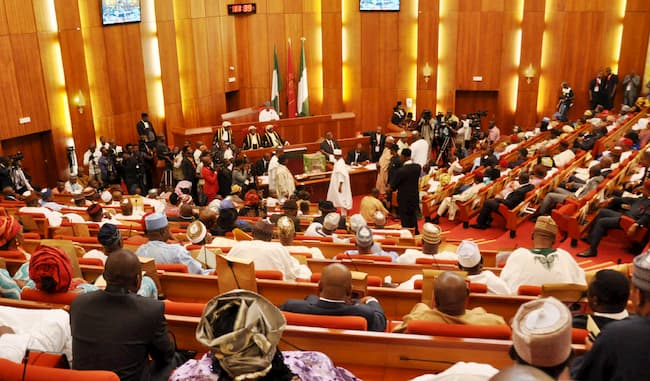
Nigeria’s Senate President, Godswill Akpabio, announced 19 additional ministry nominations nominated by President Bola Tinubu on Wednesday.

Former governors Gboyega Oyetola (Osun), Simon Lalong (Plateau), Bello Matawalle (Zamfara), and Atiku Bagudu (Kebbi) are on the new list. Earlier, the President’s Chief of Staff, Femi Gbajabiamila, submitted the supplemental cabinet list to the Senate.

The Senate President received the second list of ministerial nominees from the immediate prior Speaker of the House of Representatives. The Senate has already reviewed the first group of 28 nominees.

The 19 more nominees are:

Ahmed Tijani Gwarzo, Bosun Tijani, Maryam Shetty, Isiak Salako,Tunji Alausa, Yusuf Tanko Sununu, Adegboyega Oyetola, Atiku Bagudu, Bello Matawalle, Ibrahim Geidam, Simon Lalong, Lola Ade-John, Prince Shuaibu, Abubakar Audu, Prof Tahir Mamman

We also have other nominees like: Aliyu abi Abdullahi, Alkali Ahmed Said, Heineken Lokpobiri, Uba Maigari Ahmadu and Zephaniah Jizallo.

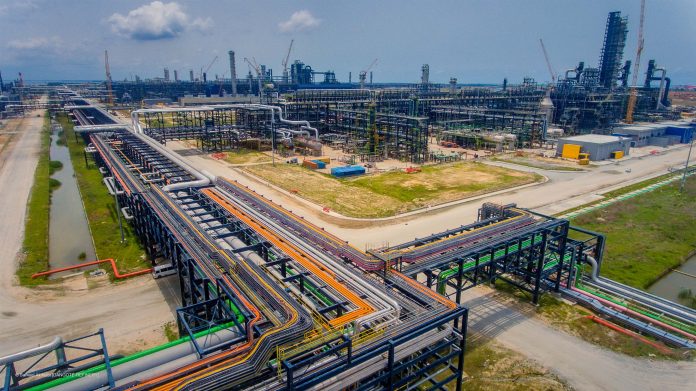
Dangote Refinery May Not Start Production Soon – Osifo

Dangote Refinery May Not Start Production Soon - Osifo

Comrade Festus Osifo, President of the Trade Union Congress (TUC), believes there is no chance of the Dangote refinery commencing production before the end of the year, 2023.

The TUC President made this know during a Channels Television on Wednesday that it will take some time for the Dangote refinery to reach the optimal position of complete output reliance.

“As of now, they may have their own mechanism, because it is 80 percent privately owned that we may not know. But from our external view, we don’t think that it will come into even up to 50 percent production before the end of the year,” he said.

“Even if the Dangote refinery is working up to 60 percent in-store capacity, then you add that, although the old Port Harcourt refinery is quite small.

“But if you add that with the fact that today our consumption has come down, from the reported consumption of about 65, 66, 70 million litres consumed per day. Today, we now have this level of consumption somewhere around 40 to 45 million litres, these refineries could walk.

The Union leader said that, prior to the refinery’s start-up, employing crude in the test process would have hinted at the potential of the product becoming available soon, alleviating sorrow.

“You need crude to be doing some of the pre-commissioning stages. As of today, that has not quite commenced, but for the Dangote refinery, we are not quite sure whether it will come up between now and the end of the year.

“From our findings, we pray every day, we push, and we hope that the Dangote refinery should actually come on stream because we learnt that they have not started the full pre-commissioning using crude.

“For you to be able to know fully when the refinery will come on stream, you may have done a lot of simulations.”

READ ALSO

Nigeria Bonds Intense Sales Kicks Yield To 13.2%

FGN Bond For Jan. 2021 Oversubscribed

With a persistent negative interest yield on fixed income securities assets, yields jumped further midweek amid economic uncertainty in Nigeria. The market continues to factor in inflation and interest rate rises when valuing assets.

However, the financial system’s high liquidity has remained a drag on yield repricing in the fixed income market. The Debt Management Office has been frontloading borrowing, generating N4.2 trillion in seven months while market opponents accuse it of financial restraint.

The actual return on debt instrument investment has remained vulnerable to changes in the consumer price index, but Broadstreet analysts believe the government does not need to pay a premium on risk-free naira assets offered to investors.

By profile, apart from Nigerian banks, pension fund administrators are key players as regulatory demand requires significant investment spending on government instruments. Foreign investors have been largely on the side due to negative interest rates, despite FX reform.

Fixed income market analysts however think that yield will be repriced in the second half of 2023 as investors await fresh catalysts amidst unsteady economic direction and conditions.

In the secondary market on Wednesday, the FGN bond faced sell pressures for the seventh consecutive session, as the average yield expanded by 10 basis points to 13.23%.

This comes at a distance to an annual inflation rate of 22.79% – the consumer price index reported for June has been noted to exclude the impacts of subsidy removal. The Central Bank of Nigeria has started repricing treasury bills at higher following a 25 basis points hike in the policy rate.

Treasury bill for 364 days was sold at 12.15% at its midweek auction. Market analysts said the raise is the beginning of what the debt market will experience as inflation and interest rates continue to weigh on naira assets.

Sell pressure was seen particularly at the belly (+30bps) of the curve, especially on the APR 2029 (+54bps), MAY 2029 (+47bps), and NOV 2029 (+44bps) bonds, fixed income traders at CardinalStone Securities Limited told investors in an email update.

The 10-year FGN bonds yielded around 13.22%, while the 20-year and 30-year bonds held steady at 14.60% and 14.96%, respectively.

Elsewhere, FGN Eurobonds appreciated across all tracked maturities, reflecting sustained bearish sentiment, as the average secondary market yield increased by 24 basis points to 10.31%, traders said in their updates.

Across the benchmark curve, Cordros Capital Limited said the average yield was flat at the short end but expanded at the mid (+22bps) and long (+1bp) segment.

Nigerian Treasury Bills Yield Drops To 7.07%

LBS Discloses FG's Targets With Naira Redesigning

With a high exposure to inflationary pressures, the average yield on Nigerian Treasury bills rose again as market players increased their purchases despite the banking system’s robust liquidity profile.

Analysts said in market updates distributed to investors that the overnight lending rate fell by 121 basis points to 1.36%, indicating the lack of liquidity problems following strong inflows into the system.

According to FMDQ Exchange statistics, the repo rate fell to 0.93% from 2.21% the previous day. As a result, trade in the secondary market was positive. The average or benchmark yield on Treasury notes fell 6 basis points to 7.07%.

Despite shifting market conditions, fund/asset managers and other market players are still generating inflation-exposed returns on their naira assets despite changing market dynamics – higher consume price index, and benchmark interest rate.

In its update, Cordros Capital Limited told investors that across the curve, the average yield declined at the short (-26bps) end, following demand for the 85-day to maturity (-102bps) bill.

Meanwhile, the mid and long segments remained unchanged due to a thin trading record. Notably, the three-month Nigerian interbank borrowing (NIBOR) rate experienced a significant moderation of 285 basis points, declining to 11.85% from 14.70% recorded the previous day.

FCCPC Urges Google To Remove 18 Loan Apps From Play Store

FCCPC Urges Google To Remove 18 Loan Apps From Play Store

The Federal Competition and Consumer Protection Commission (FCCPC) has requested that Google remove 18 Digital Money Lending (DMLs) companies’ apps from the Play Store due to registration regulations violations.

The commission said in a statement issued on Wednesday and signed by its CEO, Babatunde Irukera.

Getloan, Camelloan, Cashlawn, Nairaloan, Eaglecash, Moneytreefinance Made Easy, Luckyloan Personal Loan, and Joy Cash-Loan Up to 1,000,000 are among the DMLs.

Others are Cashme, Easynaira, Swiftcash, Crediting, Swiftkash, Hen Credit loan; Nut loan; Cash door; Cashpal, and Nairaeasy gist loan.

The FCCPC stated that, although being registered, the aforementioned organizations will cease operations until they present proof of conformity with the restricted interim regulatory/registration framework and rules for digital lending, 2022.

As a result, the commission granted the DMLs five days to present documentation.

This was owing to a rise of unauthorized loan recovery methods and procedures used by some operators.

“The commission entered an order to Google LLC (Google) to remove the same from the Play Store, and prohibited payment gateways or services from providing or continuing services to the affected businesses,” the statement reads.

“The commission, as part of its continuing investigation and audit, has identified additional apps operating on the Google Play Store without regulatory approval or in violation of the guidelines.”

As a result, the FCCPC stated that it has asked “Google to immediately remove, withdraw, or drawdown” the aforementioned apps.

“The commission will continue engaging Google to clarify how and why apps that have not received relevant regulatory approvals are available on Google’s platform (Play Store),” the consumer agency said.

“Under the guidelines, only DMLs that have been subjected to regulatory scrutiny and compliance evidenced by written approval from the commission are allowed on Play Store.”

READ ALSO

Naira Increases Value By 6.01% As FX Pressure Falls

BREAKING: CBN Officially Unifies All Exchange Rate Windows

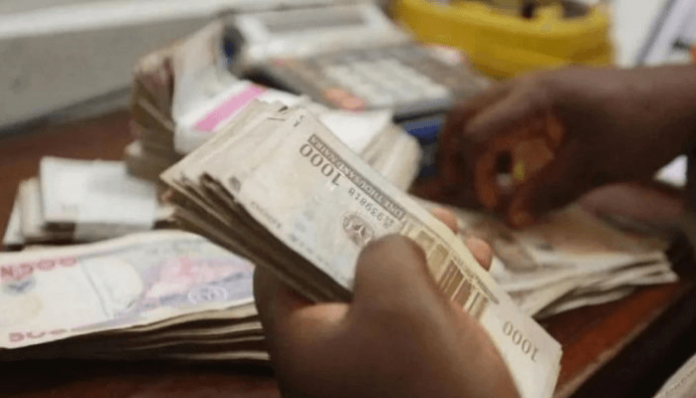
The Nigerian naira traded at N741.64 per US dollar in the Investors and Exporters’ foreign exchange market as supply side constraints eased further.

The new spot rate represents a 6.01% increase over the previous day’s official market price of N789.08 for the leading trade currency, the US dollar. As a result, the spread between official and parallel market rates has increased over N100.

Because of a record degree of foreign currency scarcity, the exchange rate has been swinging in both directions since FX reform began in June 2023. According to estimates, the naira would remain undervalued until it trades below N700 per US dollar in the forex market.

Because of this market consensus, FX traders estimated that the naira would regain position after the Central Bank of Nigeria (CBN) settled the FX backlog owed to foreign investors who had sought to upstream funds offshore – right before the devaluation of the local currency.

Forex supply is the only thing holding the local currency back from regaining its true market rate, research analysts at LSintelligence Associates said in a commentary note shared with MarketForces Africa. Bank of America estimated that the naira would appreciate to N680 when devaluation dust settled.

In the parallel market, the Naira experienced a slight depreciation of 0.34% against the US dollar, reaching N875 amidst a sustained decline in the nation’s external reserves. Data from the apex bank showed that FX reserves dropped to $34.94 billion, providing Africa’s largest economy by size of gross domestic product with 6-month import cover.

The tepid accretion into the gross external reserves relates to oil swap deals taken by Nigeria and low production volume – even when prices remain relatively above budget. >>> Naira Devaluation Deepens Economic Crisis in Nigeria

At the close of the market session midweek, Brent crude fell 0.78% to $84.25 per barrel, while WTI crude lost 1.02% to $80.54 per barrel. The two grades had rallied earlier in the morning over a positive demand outlook.

US energy demand is projected to improve following a decline in crude stock.

A Nigerian Student’s Water App Wins At The Xylem Ignite Global Student Innovation Challenge

Prosper Ukachi and Gabriel Portas’ Blue Hub app aims to help people win while reducing water usage and growing water conservation

More people understand the value of saving money or planning groceries than conserving water. But a new app concept from Prosper Ukachi, who hails from Abuja, Nigeria, could change our perception about looking after water. His work has since been recognised in the Xylem Ignite Global Student Innovation Challenge.

Prosper and his team collaborator, Gabriel Portas from Spain, developed a prototype phone app called BlueHub. This innovative application helps people calculate how much water they potentially use, then provides numerous ways to reduce their water usage, gain awards, and connect with other water-conscious people.

“The UK’s environmental agencies estimate that people there waste up to three billion litres each day! Much of that is lost through simple things like inefficient handwashing. We created this app to encourage individuals to conserve water by observing how their behaviours affect water and by providing them with actions to follow to enhance water conservation,” says Prosper.

BlueHub combines conversational information with a handy usage calculator. Users can answer a few basic questions to calculate their average water usage. The app then provides the means to track consumption and reduce usage. It also provides ways to connect to others through forums and direct private messages, enabling them to create water-saving communities. Using gamification, the app rewards participants for improving their water usage, and they receive push notifications of their achievements that they can share with others.

This app concept would go on to win one of the categories in the Xylem Ignite Global Student Innovation Challenge. This annual competition invites students worldwide to submit projects that help conserve water. Students from all expertise levels competed for eight cash prizes from the US$20,000 prize pool, including US$5,000 grand prizes for the top secondary (high school) and tertiary (university) projects.

Facing tough competition, BlueApp went on to win the Awareness to Action category for tertiary student projects. It is a big moment for Prosper, who is highly ambitious and lives by his personal slogan, “Data, Education and Integrity. That sums me up!”

Prosper was studying civil engineering at a private University in Nigeria but had to drop out due to a family tragedy. However, this did not stop him from acquiring more knowledge and achieving certifications in technology courses. His drive for knowledge and betterment created the insight and connections to participate in the challenge, collaborating with Gabriel, based in Spain. Prosper is currently volunteering as an intern Marketing Officer, and he has established skills in business administration, leadership, people management, active listening, customer research and project management.

This win proves that anyone can succeed if they put their mind to the task, and that no obstacle in life is so big that we should give up. The same message resonates with water conservation. The world faces enormous challenges around its most precious resource. Without water, there is no life. Unfortunately, our wasteful and polluting habits are pushing water ecosystems to the brink.

The BlueHub app is a shining light, showing how to bring more people to appreciate water conservation. Prosper’s story is also an excellent example for Africa’s people, showing how combining technology, ambition, and knowledge can help solve the continent’s biggest challenges.

“We are very proud of the work done by Prosper and his teammate, Gabriel. It’s exciting that a solution that initially targets the UK was developed here in Africa. That shows that with the right mindset and resources, we can tackle problems as well as any other part of the world,” says Chetan Mistry, Xylem Africa’s Strategy and Marketing Manager.

Xylem Ignite Global Student Innovation Challenge

Students aged 13 to 25 create projects that tackle one of the world’s most pressing environmental challenges: water. This 8-week virtual #hackathon offered access to informative webinars and mentoring by leading water experts to develop projects addressing issues such as the water impact of Green Hydrogen production, the Water Energy Emissions nexus in the built environment, and waterways pollution. Participants also have the opportunity to develop water awareness content to further drive engagement on the ‘Water Heroes Hub’ platform.

A Nigerian student’s water app wins at the Xylem Ignite Global Student Innovation Challenge
Prosper Ukachi and Gabriel Portas’ Blue Hub app aims to help people win while reducing water usage and growing water conservation

Airtel Nigeria Empowers Young Minds, Sponsors The Third Edition Of Teens Think National Essay Competition

Airtel Nigeria Refutes Report Saying It Awarded Nationwide Solar Contract To WATT Corporation

Leading telecommunications service provider, Airtel Nigeria, has sponsored the third edition of the annual Teens Think Essay Competition, a leadership, educative, and interactive platform designed to build outstanding leaders with marketable digital and communication skills.


A student of African Church Model College, Lagos, Adenuga Adeniyi, emerged as overall winner and most outstanding student in the recently concluded competition. Adeniyi distinguished himself among 14 other finalists with his writing and presentation skills that judges described as remarkable, earn the student the prestigious title of national champion in the essay competition.

Director, Corporate Communications and CSR, Airtel Nigeria, Femi Adeniran said that Airtel Nigeria’s partnership with Think Teens Essay Competition is in line with the company’s commitment to fostering an enabling environment for youth development across Nigeria. He explained that Airtel Nigeria recognizes education as crucial for building leadership skills among the youth towards a brighter future.

“At Airtel Nigeria, we believe in the potential of the younger generation. By supporting initiatives like the Teens Think Essay Competition, we aim to empower young minds with the knowledge and skills they need to become future leaders, hence, we are thrilled to be a part of this remarkable platform that encourages critical thinking, creativity, and effective communication,” Adeniran said.


Corroborating Adeniran’s remarks, e Founder, Teens Think, Mrs. Kehinde Olesin, added that, Teens Think strives to equip teenagers with the knowledge, skills, and confidence to navigate the complexities of our multicultural world. “Through our programs, workshops, and mentorship, we empower young minds to be proactive agents of cultural integration. I am thrilled with the fantastic response that we received this year. It is heartening to see so many young people with a passion for writing and storytelling,” she said.

Teens Think competition has continued to grow in popularity among young scholars in the country leading to a high submissions received this year. Over 400 entries were received from all states of the federation. All 15 finalists were required to develop and present the topic: Cultural Integration and crossroads-The right path for 21st century teens.  This was followed by an intense evaluation process by a team of independent jurors.

Honorable Seyi Sowunmi Announced As Deputy Chairman Of House Committee On Local Content Committee For The 10th NASS

Politician and philanthropist, Honorable Seyi Sowunmi, representing the Ojo Federal Constituency of Lagos State at the Federal House of Representatives, has been announced as the Deputy Chairman of the Local Content Committee of the House of Representatives. This was revealed on Thursday, July 27, 2023 during the unveiling of the 134 standing committees announced by the speaker, Honourable Tajudeen Abbas.

A careful review of the List of Committee appointments shows that among the 24 representatives from Lagos State, a total of 17 were assigned committee chairman positions, making Lagos a significant contributor to the legislative affairs of the House of Representatives. Honorable Seyi Sowunmi however stands out as the sole Representative from the Lagos State under the Labour Party to be assigned as deputy chairman of a standing committee of the House, signifying the recognition of his expertise, sterling leadership and pro-Nigerian approach in achieving common goals for the betterment of the nation.

Other Representatives from Lagos under the Labour Party were assigned different roles in the Parliamentary Friendship Group. Parliamentary Friendship Group is a caucus or political group with the responsibility of maintaining cordial relationships with other parliamentarians from other countries.

The Local Content Committee plays a critical role in shaping policies and initiatives that promote the participation of Nigerians and Nigerian companies in the nation’s economic development and the utilization of indigenous resources in various sectors. The committee ensures they monitor and enforce the law that provides for preference to Nigerian citizens and companies in the procurement of goods and services in all sectors of the economy. It also seeks the transfer of skills and technology to Nigerians during  execution of projects where public funds belonging to the federal government or any of its agencies are used.

In the wisdom of the Selection committee constituted by the honourable speaker Tajudeen Abbas,  Honorable Seyi Sowunmi’s announcement as the Deputy Chairman of the Local Content Committee is a reflection of his ability to build bridges, foster cooperation, and drive consensus among diverse stakeholders. His peers recognize him as an inclusive and visionary leader who is dedicated to advancing Nigeria’s progress.

The Federal lawmaker from Lagos has since expressed his delight at the announcement, describing it as a reminder of the hard work there is ahead, “I am deeply humbled and honoured by the trust the House’s leadership and especially the Lagos Caucus in the House ably led Hon. Dolapo Badru has placed in me. I see this appointment as a mandate to work tirelessly towards ensuring that the local content policies and initiatives truly benefit all Nigerians, foster economic growth, and encourage the sustainable development of our great nation. As an entrepreneur myself, I understand how critical it is to support home grown skills and companies because their survival is critical to the development of Nigeria’s economy’, he said.

The Local Content Committee, with Honorable Seyi Sowunmi as the Deputy Chairman, will play a pivotal role in steering Nigeria’s progress towards greater self-reliance and sustainable economic growth. The committee’s mandate includes promotion of indigenous participation, ensuring the active participation of Nigerians in various sectors of the economy, reducing dependence on foreign expertise and creating opportunities for local businesses and individuals.

It will also enhance job opportunities, striving to create job opportunities for Nigerian citizens by encouraging companies and industries to prioritize the employment of qualified Nigerian professionals and skilled workers. Another responsibility expected of Honourable Sowunmi by virtue of his new position is to along side the committee Chairman and other members closely monitor the compliance of companies and industries with local content laws, ensuring that they adhere to the stipulated regulations and optimize the use of Nigeria’s vast natural and human resources, thereby strengthening the nation’s economy and reducing reliance on imports.

Honorable Seyi Sowunmi’s appointment as the Deputy Chairman of the Local Content Committee brings hope and optimism for the future of Nigeria’s economic development. His track record of integrity, diligence, and people-centric governance is bound to propel the committee’s efforts in achieving its goals and objectives.

Stanbic IBTC Partners With Smedan To Empower 3000 Smes Through The Enterprise Academy

Stanbic IBTC Holdings PLC Announces Commencement Of Operation Of Wholly Owned Financial Technology Subsidiary

Stanbic IBTC Bank PLC, a subsidiary of Stanbic IBTC Holdings PLC has reaffirmed its commitment to empowering Small and Medium Scale Enterprises (SMEs). To this end, the bank has signed a partnership agreement with the Small and Medium Enterprises Development Agency of Nigeria (SMEDAN) to provide training for 3000 Small and Medium Enterprises (SMEs) across various states in Nigeria. 

The strategic collaboration between Stanbic IBTC and SMEDAN aligns with the bank’s commitment to supporting the growth and development of the SME sector in the country through its Enterprise Academy training programme, an initiative that has facilitated the training of over 5000 SMEs since its launch in 2021. 

Highlighting the significance of the partnership, Mr. Wole Adeniyi, Chief Executive, Stanbic IBTC Bank emphasized the pivotal role of SMEs in the economy. He said, “SMEs are the backbone of our economy, and we acknowledge the vital role they play in driving economic growth and creating employment opportunities.

Through our partnership with SMEDAN, we aim to empower SMEs with the knowledge and tools needed to thrive in today’s competitive business landscape.” To ensure broad participation nationwide, the Enterprise Academy training programme will be conducted in the following states across four key geopolitical zones in the country- Enugu, Port Harcourt, Ibadan, and Abuja.

The training sessions will cover a wide range of topics relevant to SMEs, including business planning, financial management, and digital marketing strategies. “We urge all SMEs to take advantage of this training opportunity,” Wole added. Dr. Olawale Tunde Fasanya, Director General, SMEDAN, also shared his thoughts on the recently signed partnership, He said, “Establishing a trusted financial partner for growth is crucial to any business”.

He further expressed his satisfaction on the partnership with Stanbic IBTC Bank to empower, equip and expedite the growth of SMEs, thereby amplifying their contribution to the economy.Stanbic IBTC Bank’s Enterprise Academy training program is designed to equip SMEs with the necessary tools to overcome challenges, enhance their operations, and drive sustainable growth.

The training program is open to SMEs from various sectors, offering them a platform to learn, network and access customised solutions tailored to their specific business needs.

 For more information, visit theStanbic IBTC Enterprise Academy webpage.

For related enquiries and to sign up for the training, send an email to CallMe@stanbicibtc.com.

Interswitch One Africa Music Fest Returns To The UK, Uniting The World Through African Rhythms

Transact on Quickteller and Win a Trip to Dubai

Prepare to embark on a unique celebration of African music as the highly anticipated Interswitch One Africa Music Fest (IOAMF) returns to three cities in the United Kingdom in August 2023.

Proudly sponsored by Quickteller, Interswitch Group’s leading digital payments platform, the annual festival celebrates Africa’s rich and vibrant music scene, showcasing the continent’s immense talent and creativity.

Since its inception, IOAMF has evolved into a beacon of African music, drawing artists from across the continent and around the world through the universal language of music. It serves as a powerful platform for showcasing the diverse sounds, rhythms, and cultural expressions that define the African music landscape.

The UK is known for its thriving music scene and as a melting pot of cultures and influences from around the world. As African music continues to captivate listeners worldwide, Manchester, Birmingham, and London, the three cities where the festival will take place, and which are arguably some of the UK’S most multicultural cities, serve as the perfect stage to strengthen the connection between Africa and the global music industry.

True to its reputation, IOAMF will feature a stellar lineup of established and emerging artists who are at the forefront of African music; from Afrobeat and highlife to Afro-pop and Afro-soul, the festival will showcase a diverse range of genres that reflect the continent’s rich musical tapestry. Prepare to be enthralled by the infectious rhythms and captivating performances of beloved African artists, as well as international guests who have been inspired by the continent’s musical heritage.

As the headline sponsor of IOAMF, Quickteller stands firm in its commitment to support the growth of the music industry on the continent.

IOAMF’s mission goes beyond entertainment; it is an immersive experience in the African culture that fosters exchange of ideas and stimulates global partnerships.  Get ready to be swept away by the infectious beats, captivating performances, and the powerful message of unity that IOAMF brings to the global stage. Do not miss this opportunity to be part of a cultural phenomenon that will leave lasting impact in the world of music.

Grab your tickets at https://www.cokobar.com/market/events/view/2945-Interswitch-One-Africa-Music-Fest-LONDON-

Tinubu Did Not Acknowledge Suffering By Nigerians – NLC

Nigeria Ready To Welcome All Citizens - Tinubu
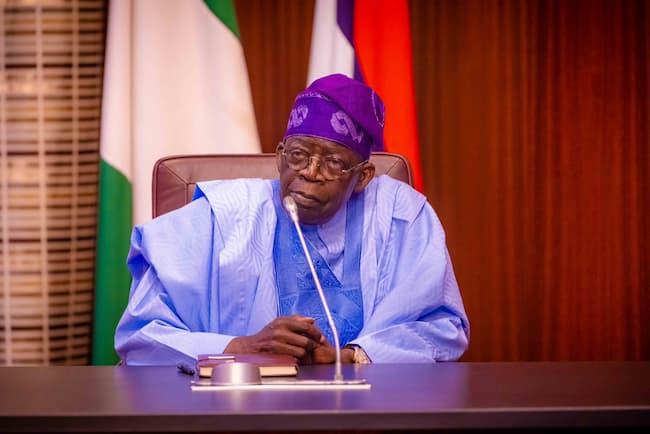
President Bola Ahmed Tinubu

The Nigeria Labour Congress (NLC) has harshly criticized President Bola Tinubu’s Monday speech to the country, claiming that it utterly ignored the terrible reality that the majority of Nigerians confront and failed to recognise the great pains and suffering they have undergone.

In a statement issued on Tuesday, NLC President Joe Ajaero stated that the President’s pledges and guarantees during the national broadcast were not the “silver bullet” that Nigerians expected.

“The speech appears to be out of touch with reality and anomalous in light of the hardship and suffering that most Nigerians are currently experiencing,” Ajaero remarked.

According to him, the NLC anticipates that the next line of argument would be how the current administration intends to resurrect public refineries that have been dormant. Ajaero claimed the grounded refineries were the major pain point in the whole subsidy narrative.

“Unfortunately, the entire speech by President Bola Ahmed Tinubu was completely silent on the issue of the repair of our national refineries.

“Consistent with our perception of the misalignment of Mr President’s promises and offerings to the reality faced by millions of workers and ordinary Nigerians was the failure of President Tinubu to unmask those behind the looting of Nigeria’s commonwealth under the guise of petrol subsidy,” he asserted.

The NLC president said it was unacceptable for the President to lament like ordinary Nigerians about a group that he referred to in his speech as the “elites of the elites who have stolen so much from Nigeria that they have become so powerful as to constitute a threat to democratic governance”.

“What Nigerians expected from Mr President is a firm commitment to bring these economic saboteurs to justice and recover what they have stolen. Mr President’s statement on working with organised labour to review the national minimum wage is out of sync with what has played out since President Tinubu removed the so-called petrol subsidy.

SEC Partner FMMSD, Others To Raise Capital For Non-Oil Sector

The Securities and Exchange Commission (SEC) and the Federal Ministry of Mines and Steel Development (FMMSD), as well as other stakeholders, have agreed to collaboratively promote alternative means of raising capital for the non-oil sector.

The alternative means include non-interest products, tokenisation of assets, as well as adoption of innovative technologies.

The partners disclosed this in a communique issued at the end of a two-day workshop on financing the Nigerian solid minerals sector through the capital market and the critical role of commodities exchanges.

The workshop also emphasised the need for the FMMSD and Federal Ministry of Education to re-prioritise the focus on STEM education at basic, secondary and tertiary institutions.

The communique read in part, “There is a need for the capital market community to ensure that the market infrastructure that supports the bringing to market of mining ventures is in place, while also protecting investors.

“All stakeholders should be involved in promoting sustainable practices and ESG standards within the mining industry, while the FMMSD is to ensure the availability of geoscience data, given that it is essential alongside relevant market data in enabling intermediaries and commodities exchanges to structure products for the mining industry.”

The participants also agreed that the FMMSD should collaborate with SEC and other stakeholders to develop capacity in the industry and address the issue of interference in mining activities by state governments.

They identified this as a major challenge faced by mining companies, adding that the FMMSD was to take concrete steps to resolve the conflict in state and federal laws, as well as overlapping oversight.

Nigeria Raised N16.48tn Fresh Debt In Five Years – DMO

Nigeria's Public Debt Now At ₦46.25bn - DMO

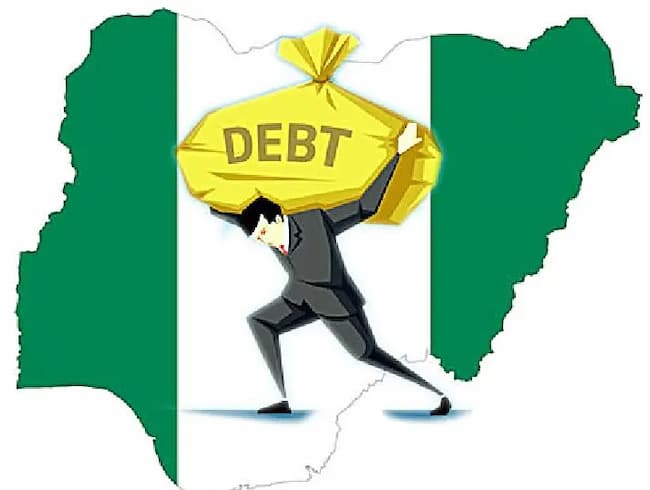
The Federal Government borrowed at least N16.48 trillion between 2018 and 2022, according to the National Debt Management Framework 2023-2027, which was published on the Debt Management Office’s website.

According to the statistics, the country received new loans totaling N1.64 trillion in 2018, N1.61 trillion in 2019, N4.2 trillion in 2020, N5.49 trillion in 2021, and N3.54 trillion in 2022. The amount of new borrowing increased by 115.85 percent between 2018 and 2022, according to the figures.

However, the biggest new debt was reported in 2021, with a 234.76 percent rise. The DMO also revealed that the Federal Government spent its new borrowing on 48.21% of the 2022 budget shortfall.

According to the document, in 2022, the Federal Government had a budget size of N17.32tn and a budget deficit of N7.35tn.Although the Federal Government planned to borrow about N6.1tn in 2022, it could not, due to a lack of access to the International Capital Market.

According to the paper, the Federal Government could only get N3.54 trillion in additional borrowing, which was spent on 48.21% of the government’s budget deficit.

The paper explained this by saying, “The sum of N3.54tn allotted for new domestic borrowing in the 2022 Appropriation Act was fully raised.” However, the amount of N2.57tn for new external could not be accomplished owing to a lack of market access in the ICM as a result of concerns caused by the Russia-Ukraine War.”

However, in the past, fresh borrowing was used to cover 84% to 91% of the budget deficit. According to the figures in the paper, fresh borrowing covered 84.09 percent of the budget deficit in 2018. In addition, in 2019, it was 84.10 percent, in 2020, it was 91.11 per cent; in 2021, it was 85.11 per cent.

The document added, “The DMO was able to fulfil its mandate of funding the Federal Budgets as provided in various Appropriation Acts as shown in Table 4.

The Table also revealed that 84 per cent to 91 per cent of the budget deficits were funded through new borrowing except for the year 2022 when there was very limited access to ICM for emerging economies.

BUA Foods Records N95.2 billion Profit In H1

BUA Foods, Olam, Other Top FMCG Firms In Nigeria

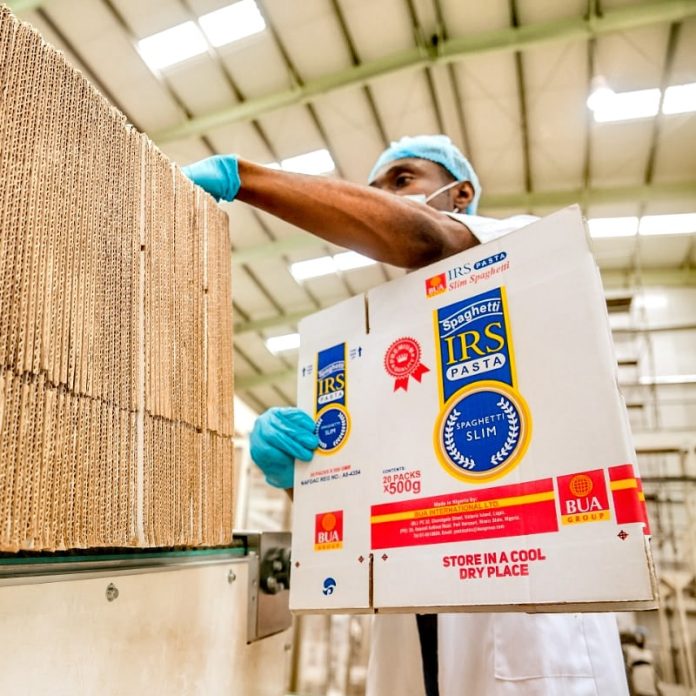
BUA Foods reported that its profit after tax increased by 142.24 percent, from N39.3 billion at the end of 2022 to N95.2 billion at the end of the first half of 2023.

It made this disclosure in a Tuesday earnings release.

The company, which produces sugar, wheat, pasta, rice, and edible oils, stated: “Profit After Tax grew by 142 per cent to N95.2bn in H1, 2023 (H1, 2022: N39.3bn), while the earning per share grew by 142.6 per cent to N5.29 in H1, 2023 from N2.18 in the corresponding period.”

BUA Foods’ revenue grew by 90.63 per cent year-on-year to N320.9bn in H1, 2023 (H1, 2022: N168.8bn).

The group attributed the increase to a year-on-year rise of 80 per cent in the sugar segment of its business to N196.5bn (H1, 2022: N109.1bn); 154 per cent in flour to N86bn (H1 2022: N33.9bn); and 47 per cent in Pasta to N37.9bn (H1, 2022: N25.8bn).

UK To strengthen Its Investment Ties With NGX

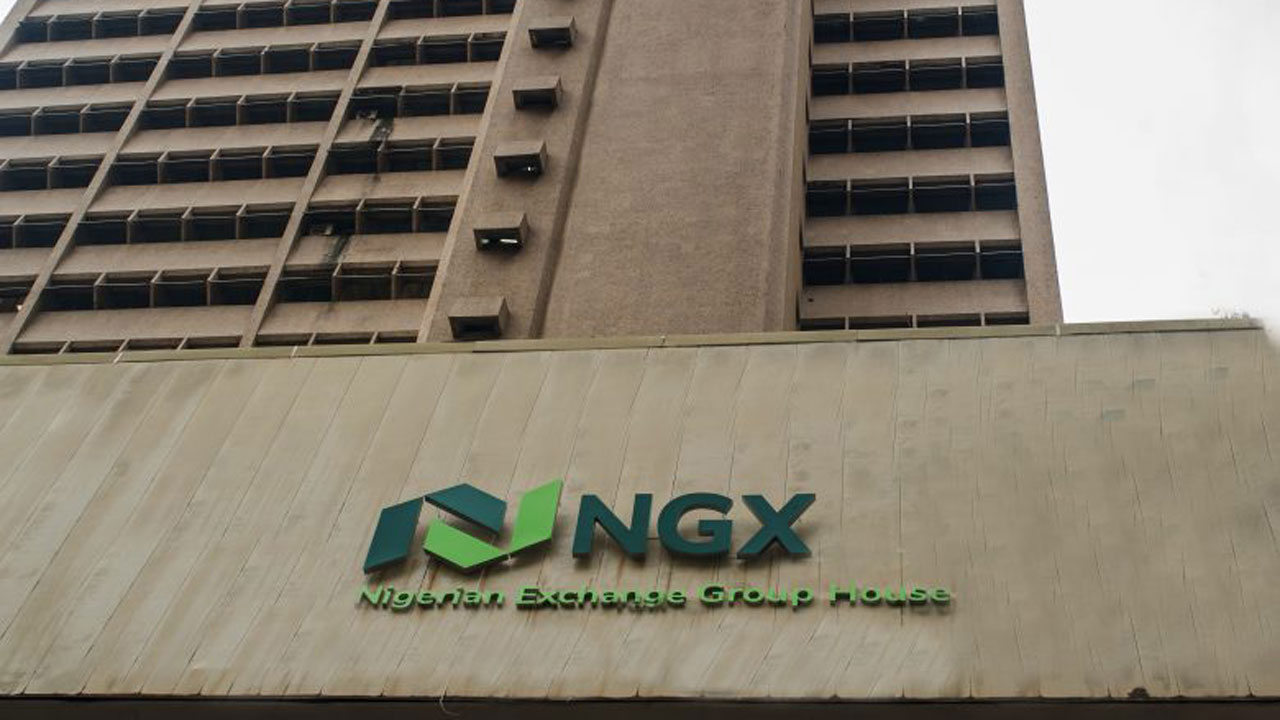
Through the Commonwealth and Development Office (FCDO), the United Kingdom (UK) has said that it would keep concentrating on creating new investment connections and working with Nigerian Exchange Limited (NGX) to guarantee that Nigeria’s economic potential is unleashed.

The UK government has just announced a collaboration with the Exchange called Mobilising Institutional Capital Through Listed Product Structures (MOBILIST), which will enable increasing investment in sustainable development in Nigeria through goods listed on the Exchange.

These were revealed by James Cleverly, UK Secretary of State, FCDO, on Tuesday during the Closing Gong Ceremony that was place on the NGX floor.

Cleverly noted that NGX, through its activities have a gravitational and attractive force to attract investment noting that investment fuels the economic activity, generates profit and unlocks the economic potential and feeds through jobs and prosperity for ordinary people for here in Nigeria and outside Nigeria.

He added that with the UK government would love to see more of dual listings while adding that developing countries need at least $3.9 trillion in additional financing if it is going to have credible chance of achieving their sustainability goals. According to him, investment is going to help unlock the economic potential of Nigeria and the U.K government will not only keep hold of its existing ties with Nigeria but will collaborate with the NGX to attract listings as well as investment in the capital market.

Commending the United Kingdom’s commitment to attaining Climate Neutrality by 2050 and its progress in transitioning to renewable energy sources, Umaru Kwairanga, Chairman, Nigerian Exchange Group Plc said, “NGX remains fully committed to further strengthening its existing relationship with the UK by fostering even stronger partnerships and collaborations.”

On his part, Temi Popoola, Chief Executive Officer, NGX noted that the U.K’s inputs and importance is evident across the verticals of the Nigerian capital market.

“We will continue to work with the U.K government on expanding the digital transformation process, deepening capital flows into our markets, promoting sustainability and climate change mitigation in the capital market,”Popoola stated.

Bond Yield Mixed As Market Sizes Up Inflation

FG To Issue Green Bond To Fund 2023 Budget

The Nigerian local bond market traded on mixed feelings amid fears over continued inflation rate increases. Yesterday, financial experts and fixed-income dealers observed demand at the top of the curve and supply at the bottom.

The market saw purchasing activity, notably in the 26 APR 2029 debt, causing the average secondary market yield to fall from 12.70% to 12.66%. Cowry Asset Management reported in its market update that the 30-year borrowing cost climbed, yielding roughly 14.82%, up 19 basis points from the previous record of 14.63%.

Similarly, the investment business said that the 10-year note yielded roughly 12.90%, which was 9 basis points lower than the previously reported 12.99%. Traders said that the 20-year bond rate stayed unchanged at 14.60%.

FGN Eurobonds rose across all tracked maturities, suggesting continued optimistic sentiment, while the average secondary market yield fell by 15 basis points to 10.00%.

Cordros Capital Limited said in its market update to investors that the average yield fell throughout the benchmark curve at the short (-1bp), mid (-6bps), and long (-1bp) segments. The drop was related to investor demand for bonds maturing in MAR-2025 (-2bps), APR-2029 (-15bps), and MAR-2050 (-7bps).

Futureview informed investors that the Development Bank of Nigeria (DBN) intends to fund N23 billion in micro, small, and medium-sized companies (MSMEs) using 5-year loan capital obtained at 14.40%.

According to the investment business, the development bank strategy intends to reduce funding limitations, which prompted DBN to dip into the domestic market.

DLM Advisory and Standard Chartered Bank Lead Issuing Partners, Joined by Access Bank, Zenith Bank, FCMB, and Others. DBN’s capital raise is part of its N100 billion medium-term notes (MTN) programme, which focuses on funding MSMEs.

“The primary objective of DBN is to alleviate the financing challenges faced by MSMEs in Nigeria by providing financial support, partial credit guarantees, and technical assistance to eligible financial intermediaries in a market-conforming and sustainable manner”, Futureview explained.

Analysts said previously, DBN sourced capital from international development partners, but now it has decided to explore the domestic market, even amid the high-interest rate environment. DLM Advisory will take the lead as the Issuing House, with support from Standard Chartered Bank, Access Bank, Zenith Bank, FCMB, and other bank lenders.

“The raised funds will be disbursed to MSMEs as loans to help them expand their operations and must be repaid in accordance with approved term sheets. Unlike typical funding for MSMEs, where investors might receive funding in exchange for equity without repayment obligations, this issuance involves loans that require repayment.

The current fragile economy may mildly affect the performance of MSMEs during this period, potentially impacting the repayment frequency. Despite the challenging economic climate, analysts anticipate significant subscriptions to the issuance, leveraging the substantial domestic liquidity.

Additionally, Global Credit Rating Agency, a subsidiary of Moody’s, has given the bond issuance a AAA (NG) rating, reflecting its strong credit quality and reliability”, Futureview said in its market update.

BizWatchNigeria.Ng
Privacy Overview

This website uses cookies so that we can provide you with the best user experience possible. Cookie information is stored in your browser and performs functions such as recognising you when you return to our website and helping our team to understand which sections of the website you find most interesting and useful.