








Home Blog Page 548

ECOWAS Imposes Penalties On Niger Military Junta’s Supporters

ECOWAS Imposes Penalties On Niger Military Junta's Supporters

The Economic Community of West African States (ECOWAS) has imposed penalties on persons who have collaborated with the Niger Republic’s military junta.

On Tuesday, the regional body’s leadership decided to apply financial sanctions on persons and businesses suspected of assisting the Francophone country’s military junta.

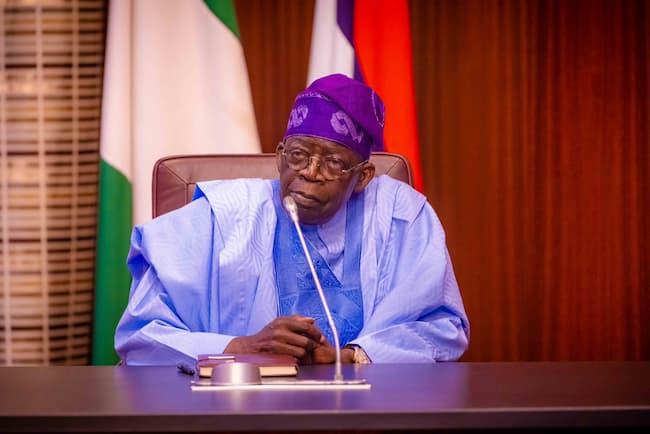
President Bola Tinubu’s special adviser on media and publicity, Ajuri Ngelale, informed state house correspondents that the ECOWAS chairman has asked the Central Bank of Nigeria (CBN) to impose financial sanctions on individuals involved.

The presidential spokesperson did not explain the punishments, nor did he divulge the names of those who will be affected.

“Mr President has directed the acting CBN governor to levy another slate of sanctions against entities and individuals associated with the military junta in Niger public,” he said.

“I said that intentionally I didn’t make a mistake, because I was given permission to make that statement and I emphasised that this is not an individual action taken by an individual president on behalf of an individual nation.

“This is an action taken yes, by the ECOWAS chairman who is the president of Nigeria, but standing on the authority provided by the consensus resolution of all ECOWAS members and heads of state with regard to financial sanctions being levied by ECOWAS members states against the military junta in Niger Republic.

“There is an authority that we are standing on. It is not the Nigerian government’s authority, it is the authority of the resolution passed in public before now.”

Ngelale said the seven-day ultimatum issued against the military junta is not a personal decision taken by Tinubu but that of ECOWAS.

“Concerning the ultimatum given to the military Junta in Niger Republic, it is an ECOWAS mandate, and it is not a Nigerian ultimatum. It is not a Nigerian mandate,” he said.

“And the office of His Excellency, President Bola Ahmed Tinubu, also serving as the chairman of ECOWAS, to emphasise this point, that due to certain domestic and international media coverage, tending toward personalisation of the ECOWAS sub-regional position to his person and to our nation individually.

“It is because of this that Mr President has deemed it necessary to state unequivocally that the mandate and ultimatum issued by ECOWAS is that of ECOWAS’ position.”

READ ALSO

Tinubu Unveils Presidential Committee On Fiscal Policy

Nigeria Ready To Welcome All Citizens - Tinubu
President Bola Ahmed Tinubu

President Bola Tinubu has unveiled the Presidential Committee on Fiscal Policy and Tax Reforms in Abuja.

BizWatch Nigeria reports that the President established the committee four weeks ago, and it is chaired by Taiwo Oyedele, Fiscal Policy Partner and Africa Tax Leader at PriceWaterhouseCoopers (PwC).

Members of the committee are specialists from both the business and public sectors.

The President stated during the inauguration that the Committee will be guided above all by national interest.

According to Tinubu, Nigeria cannot continue to tax poverty or productivity and must instead concentrate on returns, income, and consumption.

He also urged all government agencies, ministries, and departments to fully cooperate with the Committee in carrying out its task.

Tinubu said, “Within the scope of this mandate, the Committee shall have as its objective the advancement of viable and cost effective solutions to issues such as the multiplicity of revenue collection agencies, the high cost of revenue administration, the excessive burden of compliance on ordinary taxpayers, the lack of effective coordination between fiscal and other economic policies within and across levels of government and poor accountability in the utilisation of tax revenues.

“The Committee is comprised of experts from both the private and the public sector. I have given them a strong mandate and I expect their report to cover tax reform, fiscal policy design and coordination, harmonisation of taxes and revenue administration among other items.

“Our target is to improve Nigeria’s revenue profile while making the business environment more conducive and internationally competitive. Our aim is to transform the tax system to support sustainable development, while, at the same time, achieving a minimum of 18% Tax to GDP ratio within the next three years.

“In order to ensure to ensure seamless implementation, the Committee shall be empowered not merely to make recommendations; but to also provide practical support the government in the execution and delivery of the recommended changes.

“The Committee is expected to achieve its mandate within a period of one year. They are, in the first instance, expected to deliver a schedule of quick reforms which can be implemented within thirty days.

“Critical reform measures should be recommended within six months and full implementation will take place within one calendar year.”

READ ALSO

Admirals Thrills Customers With Launch Of Fractional Shares

Admirals Thrills Customers With Launch Of Fractional Shares

Admirals, the global fintech company with an experience of over two decades in the financial markets, has launched Fractional Shares for its Invest account type.

The new product offering will allow clients to invest in fractions for all entitled US stocks as they can now own a smaller piece of a share, making investing more accessible and affordable.

The introduction of Fractional Shares for US stocks will provide more flexibility to investors, in particular to beginner investors who might not afford to buy a full share but would still like to invest in the stock. This is useful for investing in expensive stocks, such as those of renowned tech companies like Google and Amazon and continue to benefit from the future growth of these companies.

Admirals’ clients can start investing with any amount of money in a portion of a stock, which enables them to build a diversified portfolio over a range of different investments and a robust investment strategy tailored to their individual goals.

Investors can choose the exact amount of money they want to invest in a company stock without being bound by the individual share price. Fractional Shares are available through the multi-asset Admirals platform and applicable to the US indices constituents such as SP500, NQ100 and DJI30.

“We have witnessed a remarkable progress in strengthening Admirals’ presence in Africa the past year. Africa is an emerging market with clients who are ready to experience investing and expand their diversified investment portfolio. The launch of Fractional Shares for Africa will
activate investment opportunities for a wider range of clients.

“This enables clients to invest in smaller portions of high-value stocks while at the same time making investing more affordable and accessible to younger investors. Launching Fractional Shares also signifies Admirals’ commitment to financial inclusion in Africa, as individuals can now start experiencing the benefit of financial markets.”Admirals’ Africa Director, Boriss Gubaidulin, said.

Tatjana Žbanova, Product Owner for Invest at Admirals, commented on the anticipated news “Fractional Shares is a product we have been focusing on as we strongly believe it will appeal to a wider range of investors. Our clients can start investing in US stocks with as little as $1 / €1.

The combination of fractional shares and existing competitive services showcases our commitment to cater to the needs of our clients, offering more options which would help them diversify their portfolio, while staying abreast with the market’s trends.”

Offering Fractional Shares is an enhancement to an investor’s journey to financial freedom as it opens new opportunities in the stock market which are tailored to each investor’s portfolio.

7 Stronger African Currencies Than The Nigerian Naira

"We Are Not Replacing Naira Notes" - CBN

Africa, a continent of various cultures and economics, is home to numerous nations with extraordinary currency growth and stability. These currencies have not only outperformed the once-dominant Nigerian Naira in the financial landscape, but have also demonstrated durability in the face of global economic crises.

As the world’s attention swings to Africa’s growing economies, let’s take a look at the top seven African countries whose currencies have outperformed the Naira in recent years.

1. Egyptian Pound (EGP)

Egypt, a country rich in history and culture, has recently shown economic strength. Because of conservative monetary policies and enhanced investor confidence, the Egyptian Pound has gained momentum versus the Naira. Egypt’s numerous industries, ranging from tourism to manufacturing, have contributed to the currency’s success as a prominent participant in the African economy.

1 Egyptian Pound = 25.40 Nigerian Naira

2. South African Rand (ZAR)

South Africa, often regarded as Africa’s economic powerhouse, has a thriving and dynamic economy. The South African Rand’s stability may be linked to the country’s status as a major commodity exporter, with the mining and agriculture industries playing critical roles. Furthermore, South Africa’s sophisticated financial markets and strong linkages to global commerce have pushed the Rand’s value ahead of the Naira.

1 South African Rand = 41.78 Nigerian Nair3

3. Moroccan Dirham (MAD)

Morocco has established itself as a stable and competitive economy at the crossroads of Africa and Europe. The Moroccan Dirham is supported by strong agricultural exports, a burgeoning manufacturing sector, and a booming tourist economy. The Dirham has exhibited exceptional stability versus the Naira, thanks to a government devoted to economic diversification and modernisation.

1 Moroccan Dirham = 80.12 Nigerian Naira

4. Algerian Dinar (DZD)

Algeria, famed for its immense energy resources, has used its fortune in oil and gas to support its currency, the Algerian Dinar. Despite global oil price swings, Algeria’s attempts to diversify its economy and invest in non-energy areas have contributed to the Dinar’s relative strength against the Naira.

1 Algerian Dinar = 5.79 Nigerian Naira

5. Tunisian Dinar (TND)

Tunisia, a North African jewel with a rich past, has achieved economic and political progress. The Tunisian Dinar has benefited from a robust services industry, which includes tourism and information technology, as well as a developing manufacturing base. Sound economic policies and reforms have prepared the ground for the Dinar to outperform the Naira.

1 Tunisian Dinar = 254.52 Nigerian Naira

6. Ghanaian Cedi (GHS)

Ghana, often hailed as a success story in West Africa, has cultivated a diversified and resilient economy. The Ghanaian Cedi’s progress can be attributed to sound fiscal policies, a burgeoning oil and gas sector, and a thriving services industry. With a reputation for good governance and investor-friendly policies, Ghana has positioned itself favorably in the global market.

1 Ghanaian Cedi = 70.47 Nigerian Naira

7. Kenyan Shilling (KES)

East Africa’s economic powerhouse, Kenya, has emerged as a regional leader with a vibrant economy. The Kenyan Shilling’s strength is driven by a robust agricultural sector, a rapidly growing technology industry (dubbed the “Silicon Savannah”), and a thriving financial services sector. Kenya’s strategic location, along with government initiatives to attract foreign investment, has propelled the Shilling ahead of the Naira.

1 Kenyan Shilling = 5.49 Nigerian Naira

As Africa’s economy continue to diversify and embrace global commerce, some nations’ currencies have effectively risen, outperforming the Nigerian Naira in the process. Egypt, South Africa, Morocco, Algeria, Tunisia, Ghana, and Kenya are the top seven African nations in terms of economic advancement and stability. While obstacles remain, their stories of prosperity and perseverance might help other countries improve their economic status in an increasingly linked world.

Access Bank To Reward Customers With N135m In DiamondXtra Season 15, Doles Out N6.38bn In 15 Years Of Rewarding Scheme

Access Bank Pledges To Be Africa's Gateway To The World

Access Bank, a leading financial institution, has announced it would reward customers N135 million in cash prizes to over 800 lucky customers in its season15 DiamondXtra campaign.

The bank also noted that in 15 years it had rewarded over 26,000 customers customers with N 6.38 billion. The bank also emphasized that its commitment to encouraging savings and rewarding loyal customers remains unwavering, with this year’s goal aimed at reaching an even larger number of customers compared to previous years.

Speaking at the launch of DiamondXtra season 15, the Group, Head, Consumer Banking, Access Bank, Njideka Esomeju said: “DiamondXtra is one of the best things that has ever happened to banking in Nigeria, and it has transformed the lives of Nigerians who have been patronizing this special savings and reward scheme by Access Bank since 2008.”

“Since inception of the rewarding scheme, we have rewarded over 26,000 customers to the tune of over N6.38 billion and today we are here to launch the 15th season and the bank will be rewarding over 800 lucky customers with a total sum N135m.”

She added that this year’s promo would see winners emerge from different categories of rewards namely, Loyalty rewards, Regional Draws, Regional Onsite Draws, Free Digital Marketing Training and Digital Cluster Draws.

Also, she reiterated that just as the previous years in order to ensure transparency and accountability of the reward scheme, regulators from National Lottery Regulatory Commission and Federal Competition and Consumer Protection Commission are in place who monitor all the draws to ensure transparency.

Furthermore, on his part, the Regional Sales Director, Lagos Directorate Retail Bank South, Bolarinwa Animashaun echoed the process of transparency and due diligence of the draw over the years.

He said: “The process has always been transparent and that’s why through the 15 seasons, we have been working with the National Lottery Commission and the federal consumer protection agency, so it’s quite transparent. So, everyone that benefits from it, they have also revived the process.”

Also speaking at the launch, the Head of Federal Competition And Consumer Protection Commision in Lagos, Suzy Onwuka said: “I want to commend Access Bank because this is a flagship product for them and we have been monitoring it over the years. It has been transparent and over the past seasons we have not had any complaints from anyone who has won something. The commission ensures that this program is registered and also ensures that terms and conditions are favorable to the consumers as well as ensure it is adhered to.

She added: “At a time like this, we must also commend them for putting a smile on consumers’ faces.”

To join the winning train and stand a chance to win in the DiamondXra season 15, simply walk into any access Bank branch close to you or dial 9015# , follow the prompt and deposit a minimum of N5,000. Remember, the more multiples of N5000 you save, the more you stand a high chance of winning millions in the draws.

To refresh our minds about the DiamodXtra account, it is an interest yielding hybrid account which is opened with a minimum of N5,000 and allows deposit of both cash and third-party cheques not more than N2m. Hybrid means a combination of both savings and current account features.

The DiamondXtra Season 15 campaign will also be launched officially in Abeokuta, Portharcourt, Kano, and Enugu States.

Senate Confirms 45 Ministerial Nominees, Holds Three

Senate Concerned About CBN's New Withdrawal Policy

The Senate ratified 45 of President Bola Tinubu’s 48 ministry candidates on Monday. It did, however, postpone the confirmation of three nominations, citing security clearance issues.

Nasir El-Rufai, the former governor of Kaduna State, Sani Danladi, a former senator from Taraba, and Stella Okotete, a Delta State contender, are among those impacted.

The Senate President, Godswill Akpabio, announced the candidates’ confirmation after they were approved by voice vote by the senators in plenary.

When Mr Akpabio read out their names one after the other, the senators had cleared the nominees by voice vote in the Committee of the Whole. Following then, Senate Leader Opeyemi Bamidele moved for the Senate to revert to the plenary to report progress. The Minority Leader, Simon Mwadkwom, seconded the motion.

Earlier, the upper legislative chamber screened the last two nominees – Mariya Mahmoud (Kano) and Festus Keyamo (Delta) at the Committee of the Whole presided over by Mr Akpabio.

The president nominated both Mr Keyamo and Mrs Mahmoud on Friday. The Senate had previously screened 46 nominees between Monday and Saturday last week.

President Tinubu transmitted the names of the nominees in three separate correspondences to the upper house of the National Assembly on 28 July, 3 August and 4 August.

ALAT By Wema Unveils Exciting Summer Internship Programme

ALAT by Wema, a trailblazing digital bank, has announced the launch of its eagerly anticipated Summer Internship Program which will not only serve as a remarkable learning opportunity for young talents but also highlights Wema Bank as an exceptional place to work.

The initiative, according to the Divisional Head, Brands, People and Culture, Ololade Ogungbenro, is designed with a commitment to nurturing future leaders, offering hands-on experience that bridges the gap between academia and the corporate world.

She says participants will gain invaluable insights into the dynamic banking industry while contributing to real-time projects that impact the country.

“The summer internship program isn’t just about professional development; it’s a testament to Wema Bank’s dedication to fostering a vibrant and collaborative work environment. Participants will have the chance to interact with seasoned professionals, immerse themselves in innovative projects, and truly experience the bank’s unique culture.” Ogungbenro adds.

The ALAT Summer Internship Program is open to undergraduates between the ages of 15 and 22. Selected participants will undergo a comprehensive orientation and mentorship, working side by side with seasoned professionals across various departments.

Wema Bank continues to be at the forefront of digital transformation in the banking industry, and the ALAT Summer Internship Program is a reflection of its commitment to fostering a culture of innovation, learning, and growth.

Naira Falls Due To Forex Supply Crisis

We Still Sell Forex, BDCs Assure Nigerians

The Nigerian naira fell against the US dollar in the Investors’ and Exporters’ foreign exchange (FX) market on Monday, as the foreign cash scarcity persisted.

The Naira fell by 4.27 percent in comparison to the N743.07 it traded for the US dollar following the conclusion of business on August 4. According to traders, the open indicative rate ended at N771.64 to the dollar on Monday.

FX illiquidity has continued to have an impact on the supply side in a country that relies heavily on imported products and services. The local currency spot foreign exchange rate settled at N774.78 in the Investors and Exporters window, according to FMDQ Exchange data.

The exchange rate opened the week N743.07 after the previous rally following an underwhelming FX supply in June. Data from FMDQ showed there was a 66% decline in forex inflows into investors’ and exporters’ forex windows in July.

In the parallel market, the Naira experienced a depreciation of 0.79% against the US dollar, reaching N888 as bears returned to the global crude oil market.

Brent crude fell 1.03% to $85.35 per barrel, while WTI crude lost 1.12% to $81.90 per barrel. Oil futures were lower, driven by profit-taking activities across the market, as investors re-evaluated the potential impacts of extended supply cuts implemented by Saudi Arabia and Russia.

In the market, a spot exchange rate of N799 to the dollar was the highest rate recorded within the day’s trading before it settled at N774.78. The Naira sold for as low as N475 to the dollar within the day’s trading.

A total of 45.98 million dollars was traded at the investors and exporters window on Monday. Overall, Naira depreciated by 4.27% against the US Dollar as forex scarcity persists.

NGX Surges As Equities Investors Make N75bn In Profits

Stock Exchange Closes Trading Week With N30bn Gain

On Monday, the Nigerian Exchange (NGX) gained weight as stocks investors witnessed more over N75 billion. Despite the fact that the local bourse earned N77.10 billion, trading activity was pessimistic.

According to stockbrokers, the increase on the opening day of the new week was mostly due to renewed interest in banking stocks. As a result, the market index rose, while the rally increased NGX’s year-to-date return to 27.48%, making the exchange one of the best performing in developing markets.

The Nigerian Exchange All-share index rose 21 basis points, closing at 65,336.71 points, up from 65,198.08 points the previous session.

Futureview Financial Limited noted that investors’ focus on prominent stocks like ETERNA (+2.61%), ACCESSCORP (+1.17%), MTN (+1.08%), GTCO (+1.65%), CADBURY (+4.66%), and ZENITHBANK (+0.29%). Three out of five indices posted negative performance, according to stockbrokers market update.

The total volume of trades declined by 7.9% to 334.33 million units, valued at N3.89 billion and exchanged in 6,940 deals. STERLINGNG was the most traded stock by volume at 55.14 million units, while MTNN was the most traded stock by value at N559.39 million.

By sector performance, the Banking (+0.8%) and Oil & Gas (+0.1%) indices recorded gains, while the Insurance (-1.2%) and Consumer Goods (-0.1%) indices declined. The Industrial Goods index closed flat.

As measured by market breadth, market sentiment was mixed (1.0x), as an equal number of tickers (25) gained and lost while 63 stocks closed flat. Overall, equities investors gained N75.44 billion, pushing market capitalisation to N35.56 trillion.

WAEC Releases 2023 SSCE Results

WAEC Releases 2023 SSCE Results

The West African Examinations Council (WAEC) has announced the releases of the 2023 West African Senior School Certificate Examination (WASSCE) results.

WAEC’s Head of Nigeria’s Office, Patrick Areghan, announced the results in Lagos on Monday, saying that out of a total of 1,613,733 applicants who sat for the examination, 1,476,565 participants, or 91.5%, had their results fully processed and disseminated.

He went on to say that the results of 137,168 candidates, or 8.5%, are still being processed “due to some shortcomings, non-challant, lethargy, incomplete CASS upload, disobedience of rubrics, etc associated with the schools and candidates concerned.”

Areghan further stated that efforts are being made to complete the resolution process so that all affected applicants’ results can be fully processed and released within the next several days.

Areghan declared an increase in candidate pass rates, with a total of 1,361,608 candidates, or 84.38 percent, obtaining credit or above in a minimum of five courses with or without English Language or Mathematics.

Candidates totaling 1,287,920, or 79.81 percent of all candidates, received credits or higher in a minimum of five courses, including English Language and Mathematics.

Meanwhile, WAEC has revealed that the results of 262,803 applicants, or 16.29% of all candidates who took the exam, are being withheld due to numerous documented incidences of examination malpractice.

According to the exam board, this is 6.54% lower than the 22.83% obtained in the WASSCE for School Candidates, 2022.

READ ALSO

UK Appoints Jonny Baxter As Lagos Deputy High Commissioner

UK Appoints Jonny Baxter As Lagos Deputy High Commissioner
British Deputy High Commissioner (DHC) in Lagos, Mr. Jonny Baxter

Mr. Jonny Baxter has been appointed as the British Deputy High Commissioner (DHC) in the state by the British Deputy High Commission Lagos on Monday.

He succeeds Ben Llewellyn-Jones OBE, who just completed three years as Deputy High Commissioner in Lagos, according to a statement released by the consulate.

Baxter is defined as a seasoned diplomat who has worked in a variety of locations around the world.

“Prior to becoming the British Deputy High Commissioner (DHC) in Lagos, he served as His Majesty’s Ambassador to the Republic of South Sudan from January 2021-July 2023 and Deputy Director, Finance and Performance Department at the Foreign Commonwealth and Development Office – FCDO (then DFID) from 2018-2020,” the statement read.

According to the British Deputy High Commission, Baxton has held many top roles in the Department of International Development (DFID).

Speaking on his arrival, Baxter was quoted as saying, “I am excited about this new role and I look forward to working with the people of this great country, including those in government, in the private sector and in civil society, to do all I can to help build a more prosperous Nigeria and strengthen the already impressive partnerships between the people and institutions of both our countries.”

See the full statement below:

UK APPOINTS JONNY BAXTER DEPUTY HIGH COMMISSIONER IN LAGOS

Mr. Jonny Baxter has been appointed the British Deputy High Commissioner (DHC) in Lagos, Nigeria. He takes over from Ben Llewellyn-Jones OBE who recently concluded three years as Deputy High Commissioner in Lagos.

Jonny is an experienced diplomat who has worked in different parts of the world. Prior to becoming the British Deputy High Commissioner (DHC) in Lagos, he served as His Majesty’s Ambassador to the Republic of South Sudan from January 2021-July 2023 and Deputy Director, Finance and Performance Department at the Foreign Commonwealth and Development Office – FCDO (then DFID) from 2018-2020.

He has held various senior positions in the Department of International Development (DFID). These included running the Human Development Department from 2017-2018, Principal Private Secretary to the Secretary of State from 2014-2016, and head of the Higher Education Taskforce Secretariat from 2013-2014 all at the DFID Headquarters, London.

Prior to these roles Jonny did postings in Sudan, Iraq, Guyana and Tanzania.

To mark his arrival Jonny Baxter said:

“I am excited about this new role and I look forward to working with the people of this great country, including those in government, in the private sector and in civil society, to do all I can to help build a more prosperous Nigeria and strengthen the already impressive partnerships between the people and institutions of both our countries.”

READ ALSO

CMC Connect LLP Presents 2023 BCW Age Of Values Report

CMC Connect LLP Presents 2023 BCW Age Of Values Report
L-R: Team Lead, Business Transformation & Acceleration, CMC Connect LLP, Nathaniel Ligbago; Managing Partner, CMC Connect LLP, Raheem Olabode; Head, Public Relations, Airtel Nigeria, Sam Adeoye; Team Lead Brands and Corporate, CMC Connect LLP, Omobolanle Ayejuni; Partner, Public Affair Services, Tola Odusote at the public presentation of the 2023 BCW Age of Values Report by CMC Connect LLP at their office in Lagos recently.

CMC Connect LLP, the exclusive affiliate in Nigeria of leading global communications agency BCW, recently hosted a webinar for media and clients on the BCW Age of Values Report, a pioneering global study that explores the profound influence of values on human behavior and in driving meaningful action.

The report introduced an innovative approach that goes beyond traditional demographic targeting, combining behavioural science, research, data analytics and digital trend mapping to gain deeper insights into the values that drive human behaviour in the dynamic cultural landscape of today.

BCW’s insight into how people prioritize values was gleaned from an analysis of more than 36,000 people across 30 countries in the world, which yielded more than 30 million data points.

Speaking during the event, Taylor Saia, Strategy Director, BCW UK, highlighted the predominant values in Nigeria as security, self-direction and universalism (societal); and the values that most differentiate Nigeria from the rest of world as achievement, power, stimulation and conformity. He also stated that Gen Z’s most-defining values are power, achievement, hedonism and stimulation.

“Younger generations have grown up in highly digitized societies in which peers’ achievements are broadcast on social media, affording a window into the highlights of other people’s lives,” Saia added. “As a result, it’s no wonder that younger generations focus so much on realising, and being seen to be realising, their highest potential.

“Our values are our guiding principles in life; they shape our identities, determine what is important to us, and impact how we engage with the world and those communicating with us,” Saia continued.

Also speaking during the event, Pablo Lozano, Senior Strategist, BCW Europe & Africa, emphasized the long-term significance of values. As part of the report, BCW introduced its exclusive real-time analytics tool, BCW Values Intelligence (BCW V.I.), which BCW uses to help clients analyze and align values with shifting cultural trends, online conversations and emerging opportunities.

Emeka Oparah, Vice President, Corporate Communications and CSR at Airtel Nigeria, noted, “CMC Connect has always been efficient with what they do, and I am proud to be associated with them. It is quite apparent that the values of BCW are definitely rubbing off on them.”

“Our discussion on The BCW Age of Values Report provided an enlightening platform for participants to gain valuable insights into the power of values and how they can be harnessed to create meaningful connections and inspire transformative action,” said Yomi Badejo-Okusanya, Lead Partner, CMC Connect LLP.

Following the review of the report, Badejo-Okusanya explained the importance of one of the sub-values highlighted in the report, “achievement.”

“Achievement is very important in Africa and definitely in Nigeria. It has to do with the fact that, traditionally, you earn a lot more regard and respect when you’re a high achiever. It is a thing of pride, either for an individual or a family to achieve certain levels – socially, educationally, financially, academically, and so on,” Badejo-Okusanya said.

READ ALSO

How Closure Of Niger Republic’s Airspace Affects International Flights

How Closure Of Niger Republic's Airspace Affects International Flights

Following the coup by the military in Niger Republic, there have been reported of instability and its airspace has been closed indefinitely.

Niger Republic’s military authorities declared the country’s airspace closed on Sunday, warning that any attempt to violate it would result in a “energetic and immediate response.”

“Faced with the threat of intervention, which is becoming clearer through the preparation of neighbouring countries, Niger’s airspace is closed from this day on Sunday… for all aircraft until further notice,” the country’s new rulers said in a statement.

The statement came as the West African organization Economic Community of West African States (ECOWAS) deadline to return power to democratically elected President Mohamed Bazoum approached.

How it impacts international flights

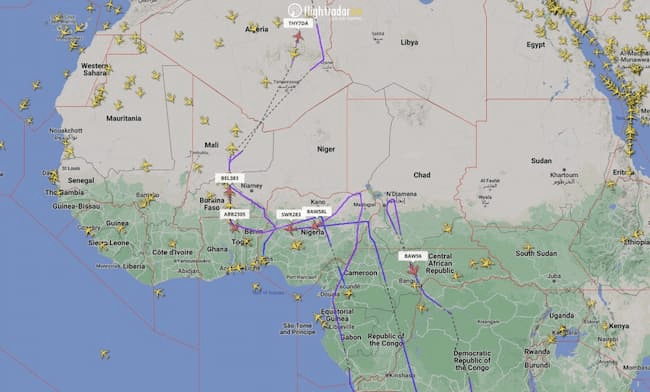
Flightradar24 reports that “flights already in the air when the airspace closed were rerouted or diverted.”

Niger Republic issued a Notice To Air Missions (NOTAM) “A0990/23 NOTAMN Q) DRRR/QARLC/IV/NBO/E/000/999/1650N00239E999 A) DRRR B) 2308062222 C) 2308072359 EST E) THE NIGER REPUBLIC AIRSAPCE FROM GROUND TO ILL, INCLUDING ALL ATS ROUTES, IS CLOSED FOR ALL FLIGHTS.”

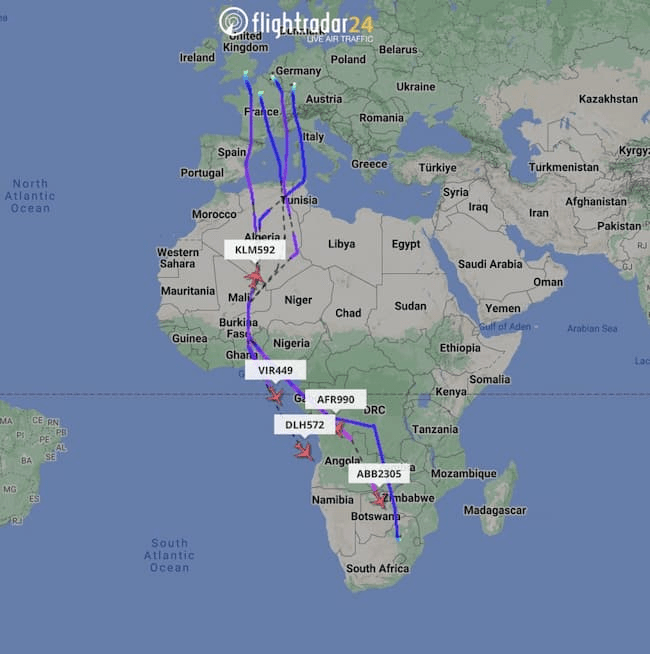
With Niger’s airspace closed, airlines must now reroute their flights, adding over 1000 kilometers or more to their travels. This extension of flight patterns brings with it a slew of repercussions for airlines and passengers alike.

First and foremost, the greater distance means that each flight consumes more fuel. Airlines will need to carry more fuel as they travel greater distances, resulting in higher operational costs. These additional costs may be passed on to passengers in the form of higher ticket prices.

Experts have predicted that the price of tickets would begin to increase thereby putting a strain on passengers.

Furthermore, the longer flight time presents logistical and passenger comfort problems. Longer flights require longer time in the air, which can be exhausting for passengers and have an impact on the whole flying experience. Delays caused by increased travel durations may also interrupt aircraft schedules, causing passengers to be inconvenienced.

The restriction of Niger’s airspace needs a rethinking of flight planning and scheduling for airlines operating long-haul flights. This could result in changes to flight frequency and availability, thereby lowering the number of options for customers and making it more difficult to secure desired flight times.

In line with the closure of the airspace, Air France has suspended flights to and from Bamako in Mali and Ouagadougou in Burkina Faso.

“Following the Coup in Niger and due to the geopolitical situation in the Sahel region, Air France has had to adapt its flight schedule to Niamey (Niger), Bamako (Mali), and Ouagadougou (Burkina Faso).

“In liaison with the French authorities, Air France is constantly monitoring developments in the geopolitical situation in the areas served and overflown by its aircraft and reiterates that the safety of its customers and crews is its top priority.”

The suspension is to last till August 11, 2023.

The closure of Niger Republic’s airspace impacts the aviation industry and even travelers. It sends shockwaves throughout the aviation industry, resulting in longer travel itineraries and substantial hurdles for airlines flying between Europe and southern Africa.

Flightradar24 calculated the additional routes flights would have to take:

Planes avoiding Niger Republic. Source: Flightradar24
Source: Flightradar24
Planes avoiding Niger Republic. Source: Flightradar24
READ ALSO

Afentra’s Paul McDade to Outline Angolan Exploration and Production (E&P) Agenda at Angola Oil & Gas (AOG) 2023

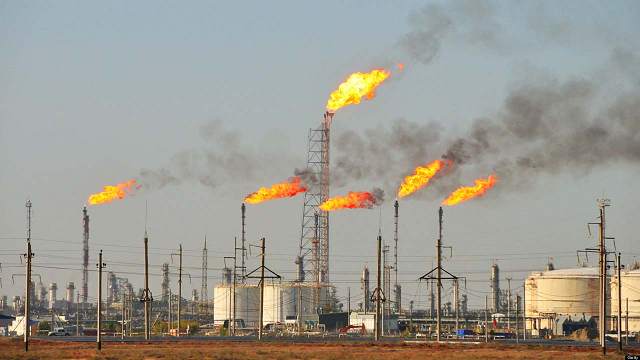
Nigeria and other oil-producing countries where gas flaring prevails lose $82 billion dollars yearly, a report by GlobalData revealed.

Paul McDade, CEO of independent oil and gas company Afentra, will participate as a speaker at the highly anticipated Angola Oil & Gas (AOG) 2023 conference and exhibition (https://apo-opa.info/3PTENZ0). AOG 2023, under the theme ‘Energy Security, Decarbonization, and Sustainable Development,’ is set to take place in Luanda from September 13–14.

McDade brings extensive knowledge and expertise to the AOG 2023 stage. He will lead discussions on African exploration and asset acquisition, driving critical conversations around Afentra’s agenda in the Angolan energy market.

“At the time of Afentra’s launch in 2021, Angola was identified as a core target market for the Company based on a nascent industry transition that would present opportunities for an ambitious and responsible player like Afentra. Our inaugural transactions in country have seen the Company build a material position in the quality 3/05 and 3/05a Blocks, providing Afentra with a strong growth platform from which to deliver future growth in both Angola and into other core target markets. The assets provide considerable scope for organic growth as well as the opportunity to enhance the environmental performance of the producing fields – both of which are important tenets of Afentra’s strategy – and we look forward to working with our partners and wider stakeholders in delivering these objectives,” McDade notes.

As an independent explorer, Afentra is committed to deploying state-of-the-art technology and implementing carbon reduction measures, ushering in a new era of sustainable oil and gas development in Africa. This positions the company as a viable option for African governments seeking a capable partner to provide guidance and support in adopting low-carbon and sustainable production techniques.

In 2022, Afentra signed a significant sale and purchase agreement (SPA) with Sonangol, Angola’s national oil company. This agreement allowed Afentra to secure stakes in two offshore blocks situated in the Lower Congo and Kwanza basins, representing a deal valued at $80 million. This strategic move marked Afentra’s entry into Angola.

Additionally, in July 2023, Afentra inked a SPA deal with oil and gas company Azule Energy for Block 3/05 and Block 3/05A. The agreement brings Afentra’s stake in Block 3/05 and Block 3/05A to 30% and 21.33%, respectively.

The company’s strategy in Angola involves optimizing and extending the lifespan of mid-life producing assets, prioritizing safety, emissions reduction and responsible operations. This portfolio and approach make Afentra highly relevant to the discussions at AOG, as they align with the conference’s focus on sustainable development and environmental stewardship.

“Afentra’s operations in the Angolan market are a significant milestone, and their expertise and commitment to sustainable production make them a valuable partner for African governments. Having McDade and Afentra as part of the AOG 2023 conference is significant as their insights will contribute to shaping dialogue around Angola’s exploration landscape,” states Devi Paulsen-Abbott, Energy Capital and Power CEO.

During AOG 2023, McDade will delve deeper into discussions on the pivotal role of ramping up exploration and production in Angola within the global energy transition, contributing to the energy future of both Angola and Africa. The insights shared by McDade will be valuable for project developers, financiers and service companies along the entire oil and gas value chain.

“At the time of Afentra’s launch in 2021, Angola was identified as a core target market for the Company based on a nascent industry transition that would present opportunities for an ambitious and responsible player like Afentra. Our inaugural transactions in country have seen the Company build a material position in the quality 3/05 and 3/05a Blocks, providing Afentra with a strong growth platform from which to deliver future growth in both Angola and into other core target markets. The assets provide considerable scope for organic growth as well as the opportunity to enhance the environmental performance of the producing fields – both of which are important tenets of Afentra’s strategy – and we look forward to working with our partners and wider stakeholders in delivering these objectives.

“We’re delighted to be presenting at this conference as we continue to raise the profile of Afentra within our relevant audiences and look forward to providing our unique insights into the important role that Afentra can play in delivering a responsible energy transition in Angola. We look forward to participating in an energetic and insightful conference that will help inform delegates about the evolving future of Angola’s energy industry,” he adds.

AOG 2023 returns to Luanda for its fourth edition from September 13-14 under the auspices of the Ministry of Mineral Resources, Oil and Gas and in partnership with the National Oil, Gas and Biofuels Agency, AIDAC and the African Energy Chamber. Visit www.AngolaOilandGas.com for more information about this highly-anticipated event.

Treasury Bills Yield Rises to 7.6% Ahead of CBN Auction

CBN Approves Reduction In Banks' CRR

In the secondary market, the yield on Nigerian Treasury bills increased by 17 basis points to 7.6% ahead of the Central Bank of Nigeria’s (CBN) main market auction (PMA) on Wednesday.

The yield curve’s upward movement was impacted by selloffs in the 91 and 182-day Treasury bills instruments. The yields on these short-term, mid-tenor securities increased by 26 and 28 basis points, respectively, to 5.3% and 7.1%.

According to fixed income market updates, purchasing demand dominated the long end of the curve last week, as the yield declined 2 basis points to 10.2%.

The CBN is set to roll over maturing treasury notes worth N153.99 billion this week, amid persistent optimism that rates pricing will improve despite the financial system’s solid liquidity circumstances. The amount of the rollover will be split into 91-day bills worth N4.52 billion, 182-day bills worth N1.31 billion, and 364-day bills worth N148.15 billion.

In its last auction in July, the CBN repriced Treasury bills at higher spot rates at its midweek primary market auction following its sustained monetary policy tightening. At the auction, the CBN offered instruments worth N264.33 billion for subscription.

The total sum was split as N1.74 billion for the 91-day, N1.26 billion for the 182-day, and N261.33 billion for the 365-day bills. Noting the changed market dynamics, the apex bank doubled down spot rates on 364-day bills to 12.15% last week, up by 6.21% after it announced a 25 basis points interest rate hike to 18.75%.

For most of the trading activities conducted last week, buoyant liquidity levels in the system supported bullish sentiments in the Treasury bills secondary market.

During the week, fixed income securities market players looked to invest excess funds in short and long-dated bills. The liquidity flood experience triggered bill buying by local banks, and assets/fund managers, causing the average yield to slump to 7%.

Across the curve, traders said the average yield contracted at the short (-26bps), mid (-1bp), and long (-17bps) segments following buying interest on the 83 days to maturity (-102bps), 174 days to maturity (-1bp), and 237 days to maturity (-193bps) bills, respectively.

In the money market, the overnight (OVN) rate expanded by 543 basis points to 6.8% as CRR debits induced by CBN’s re-enforcement of the loan-to-deposit ratio compliance across the banks pressured the financial system.

The Open Repo closed at 5.8% from 0.9% recorded previously as analysts highlighted that the overnight rate remained in single digits as system liquidity remained elevated. During the week, Cordros Capital reported that average system liquidity settled at a net long position of N723.80 billion from N363.38 billion in the previous week.

As of Friday’s close, liquidity in the financial system decreased to ₦277.78 billion, 52.4% lower than the prior week’s level, according to Afrinvest.

10 Companies Make Up 77% Of NGX Market Capitalisation

Capital Market Goes Green Ahead Of 2022 Corporate Earnings

According to market statistics, ten listed companies accounted for 77% of the market value of Nigerian Exchange (NGX) stocks. The Nigerian Exchange (NGX) has already recorded seven market movers since Nigerian banks joined the trillion naira valuation class, according to the breakdown.

Among the companies engaged are MTN Nigeria, Dangote Cement, Airtel Africa, BUA Cement, BUA Foods, and GTCO. N27.3 trillion is also the worth of Zenith Bank, Geregu Power Plc, Nestle Nigerian, and Stanbic IBTC.

The Nigerian stock market has been unable to attract important bellwether companies under private ownership. Some major firms with the potential to boost stock market size are staying away, citing accusations that the local exchange does not reward profit earners.

Last week, the stocks market soared to over N35.5 trillion on Friday as bullish trades outweighed negative trades. This was fueled by persistent bargain shopping on key indexes. According to MarketForces Africa, the aggregate market worth of telecommunication businesses is N10.559 trillion.

Geregu Power Plc is valued at N863 billion. Because of the continuing market rerating, the top five banks’ valuation has changed to N4.097 trillion, while two large cement companies have been valued at over N9.348 trillion.

Zenith and GTCO Plc contributed for N2.247 trillion of the Tier-1 bank’s N4.097 trillion market value, while the top lender by total assets was valued at roughly N575 billion. FBNH has paused its upward trajectory, settling at N610 billion on Friday as part of a capital-raising strategy.

BUA Foods has raced ahead of Nestle Nigeria in terms of market valuation, being one of the falling angels in the market. Nestle Nigeria lost its market position as investors’ sentiment shifted away from the consumer goods index amidst challenges in the economy.

Nestle Nigeria was priced at N931 billion while BUA Foods’ valuation was N2.443 trillion.

Data from the Nigerian bourse showed that Dangote Cement Plc has reclaimed its position as the most valued brand as the company valuation nears N6 trillion, followed by MTN Nigeria (N5.599 trn) and the falling angel, Airtel Africa came third on the rank (N4.960).

BUA Cement followed these bellwethers at N3.35 trillion followed by BUA Foods (N2.443trn) before the two new entrants into the trillion valuation class. Zenith Bank opened entry into the category ahead of GTCO. However, GTCO has become more popular among alpha seekers, causing it to beat its rival stock market valuation.

The stock market priced GTCO N1.139 trillion on Friday while investors placed N1.108 trillion on Zenith Bank. Nigerian exchange has hundreds of less attractive listed stocks. Despite the recent rally, stockbrokers have maintained the view that stocks still have large upside potential.

Oil Price Surges As Saudi Arabia, Russia Extend Supply

Nigeria's Oil Output Dropped To 1.346m Barrels Per Day - OPEC

Despite the fact that Saudi Arabia and Russia extended its existing production restrictions for another month, oil prices experienced minimal increases, as uncertain demand estimates in China and the United States continued to weigh on gains.

Saudi Arabia and Russia, the Organization of Petroleum Exporting Countries and Allies’ (OPEC+) major oil producers, maintained the status quo, holding market price declines in check by tightening output.

According to Deputy Prime Minister Alexander Novak, Russia would reduce oil exports by 300,000 barrels per day (bpd) in September “as part of efforts to ensure market stability. This happened only minutes after Saudi Arabia said that it will maintain its current output of 1 million bpd until September. In August, Russia slashed 500,000 barrels per day of supplies.

The proposed cutbacks were in addition to the OPEC+ group’s already established output caps of about 2 million bpd in October 2022 and 1.6 million bpd in May. According to market statistics, worldwide benchmark Brent crude traded at $85.58 per barrel on Friday, up around 1.38% over the previous week’s closing price of $84.41 per barrel.

Similarly, the American benchmark West Texas Intermediate (WTI) gained while trading at $81.97 a barrel at the same time, representing a 1.72% increase from the previous Friday’s session, which concluded at $80.58 per barrel.

Both benchmarks began the week at multi-month highs, extending prior week gains as investors digested the US Federal Reserve’s latest move to hike interest rates by 25 basis points.

Nonetheless, the price rally was constrained after rating agency Fitch cut the US credit rating, citing fiscal deterioration, but a big plummet in US commercial crude oil stockpiles mitigated demand concerns, as the robust stockpile draw signaled solid oil demand in the world’s top oil-consuming economy.

However, the disappointing economic growth rate of China, the world’s largest oil importer and second-largest oil consumer, acted as a headwind to future price increases.

In light of recent dovish indications from policymakers to boost GDP, investment bank Morgan Stanley downgraded its rating on Chinese stocks, warning that Chinese government support for economic stimulus may fall short of expectations.

Supply concerns intensified in favour of higher prices after Saudi Arabia and Russia announced plans to extend existing supply curbs, mitigating midweek trading losses.

The pledged production reduction is an extension of the country’s existing output cut of 1 million barrels per day (bpd) and ‘can be extended or extended and deepened’, according to a Saudi energy ministry source cited by Saudi state agency SPA.

With the latest output cut, the total production of one of the world’s largest crude oil exporters will be approximately 9 million bpd in September.

This came just minutes before Russia’s announcement to cut oil exports by 300,000 bpd in September, which Deputy Prime Minister Alexander Novak said was ‘part of efforts to ensure market stability.’ The new cuts were additions to the OPEC+ group’s already-existing output cap of around 2 million bpd announced in October 2022 and 1.6 million bpd revealed in May.

Nigeria Makes N4.2trn From Local Debt Market

Next President To Inherit ₦77trn Debt - DMO

Nigeria’s Debt Management Office (DMO) has generated N4.2 trillion in seven months through bond auction sales to fund the government’s 2023 budget deficit finance. Despite inflationary pressures, the debt office has maintained low spot rate pricing to keep funding costs low. It has also kept borrowings ahead of schedule.

The DMO again exceeded its borrowing target in the monthly bond sale in July. The debt agency then took advantage of massive government bond subscriptions, raising N657 billion, 82.5% more than its aim at lower average rates of 13.63%, down from 14.94% in June.

Despite a persistent scarcity of US dollars in the economy, a negative interest return on bonds has closed the door to international investors. Nigeria has kept borrowing costs on domestic bonds low, despite rising interest rates and inflation.

The debt agency had expected to sell N360 billion in bonds at the last auction. However, increased system liquidity increased demand to 2.6 times the entire offer. Nigeria will raise N3.3 trillion from the local bond market in 2022.

In the previous week, the prices of FGN bonds sold on the secondary market declined further as yields climbed for the majority of maturities monitored. Rising inflation is a concern for local bond investors.

The average yield rose to 13.3%, up 18 basis points. Cordros Capital said that the average yield increased at the short (+21bps), mid (+15bps), and long (+13bps) parts of the benchmark curve.

The swing came following profit-taking activities on the MAR-2025, APR-2029, and MAR-2035 bonds, respectively. Selloffs on 2025 Bond resulted in a 63 basis points increase in yield. APR 2029 FGN bond gained 39 basis points while MAR 2035 surged by 45 basis points.

Despite the gains on the first two trading days, Afrinvest Limited said the domestic bonds market closed negative as average yield across tenors rose on the back of depressed liquidity in the financial system.

Traders said the short and long-term bonds witnessed the most selloffs. The market witnessed a raft of sell-offs at the longer end of the curve given the bearish proceedings in the money market.

Elsewhere, FGN Eurobonds also traded lower across all maturities, reflecting sustained negative sentiment. Specifically, the 10-year, 6.50% NOV 28, 2027, the 20-year, 7.69% FEB 23 2038, and the 30-year, 7.62% NOV 28 2047, recorded losses while their corresponding yields expanded.

“We expect yields in the FGN bond secondary market to remain elevated in the medium term, specifically driven by our expectation of a sustained imbalance in the demand and supply dynamics”, Cordros Capital analysts said in a market update.

However, analysts at the firm highlight that deliberate actions by the Debt Management Office to keep the cost of borrowing moderate remain a downside factor.

ECOWAS Can’t Invade Niger Republic Without UN’s Approval – Falana

ECOWAS Can't Invade Niger Republic Without UN's Approval - Falana

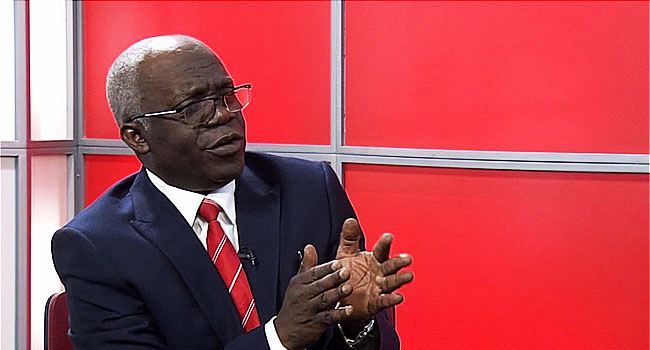
Human rights lawyer Femi Falana, SAN, advised the Economic Community of West African States (ECOWAS) on Sunday that any involvement in Niger Republic must be approved by the United Nations (UN) Security Council.

The threat comes after President Bola Tinubu’s-led ECOWAS issued a one-week ultimatum to military in Niger Republic last Sunday, demanding the release and reinstatement of the country’s elected president, Mohamed Bazoum, who has been detained by the military for more than ten days.

According to Article 53(1) of the United Nations Charter, ECOWAS is required to seek and get authorization from the UN Security Council before launching an attack on a sovereign nation.

Falana cited Article 53(1), “the Security Council shall, where appropriate, utilize such regional arrangements or agencies for enforcement action under its authority.

“But no enforcement action shall be taken under regional arrangements or by regional agencies without the authorization of the Security Council….”

According to him, this means that the ECOWAS, as a regional organization, is bound by the provisions of the United Nations Charter, specifically Article 53(1), as well as general international law.

“Therefore, the ECOWAS can not justify any intervention in Niger without the authorisation of the Security Council,” he said.

“It is also clear that any intervention by the ECOWAS, apart from being subject to the authorisation of the Security Council, must be on a collective basis and not a unilateral one.”

Falana’s full statement below:

Legal Requirements For Declaration Of War Against Niger Republic

Notwithstanding the resolution of the Economic Community of West African States to resort to the use of force to flush the military junta in Niger in a bid to restore President Mohamed in Bazoum, the Bola Tinubu administration is mandatorily required to seek the approval of both houses of the National Assembly.

This is in compliance with section 5(4) of the Constitution of Nigeria 1999 (as amended), which stipulates as follows:

“(4) Notwithstanding the foregoing provisions of this section:

(a) the President shall not declare a state of war between the Federation and another country except with the sanction of a resolution of both Houses of the National Assembly, sitting in a joint session; and

(b) except with the prior approval of the Senate, no member of the armed forces of the Federation shall be deployed on combat duty outside Nigeria.

However, by virtue of section 5(5) thereof, the President, in consultation with the National Defence Council, may deploy members of the armed forces of the Federation on a limited combat duty outside Nigeria if he is satisfied that the national security is under imminent threat or danger:

Provided that the President shall, within seven days of actual combat engagement, seek the consent of the Senate and the Senate shall thereafter give or refuse the said consent within 14 days.

In addition to the above constitutional mandate, the ECOWAS is required to seek and obtain the authorisation of the UN Security Council to launch an attack on a sovereign nation pursuant to article 53(1) of the United Nations Charter. Article 53(1) provides in part, “The Security Council shall, where appropriate, utilize such regional arrangements or agencies for enforcement action under its authority.

“But no enforcement action shall be taken under regional arrangements or by regional agencies without the authorization of the Security Council….”

This means that the conduct of the ECOWAS, as a regional arrangement, is subject to the provisions of the United Nations Charter, particularly article 53(1) and general international law.

Therefore, the ECOWAS can not justify any intervention in Niger without the authorisation of the Security Council.

It is also clear that any intervention by the ECOWAS, apart from being subject to the authorisation of the Security Council, must be on a collective basis and not a unilateral one.

In the absence of explicit Security Council authorisation, any intervention by the ECOWAS would be illegal, unless it concerns a situation of self- defence, which is clearly not the case in the situation of the planned intervention in Niger.

Femi Falana SAN
The Chair,
Alliance on Surviving Covid 19 and Beyond (ASCAB)
6th August, 2023.

READ ALSO

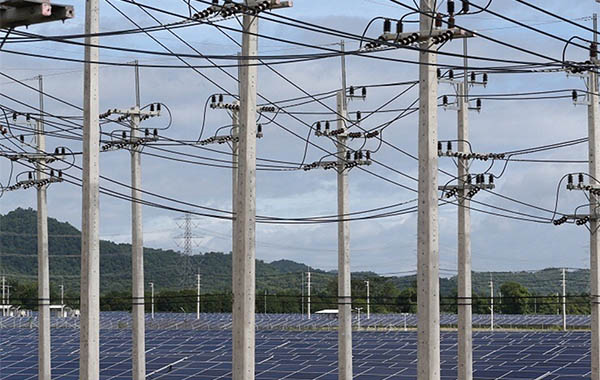
Nigeria Can Create 427,000 Megawatts Of Electricity Using Solar Energy- Gencos

According to power generation firms, Nigeria can create around 427,000 megawatts of electricity using solar energy. Nigeria now produces less than 5,000MW for a population of over 200 million people.

For example, according to statistics acquired from the Federal Ministry of Power on Sunday, power generation on the grid as of 6 a.m. was 3,803.6MW.

Joy Ogaji, Chief Executive Officer of the Association of electricity Generation Companies, stated during a presentation titled “The Electricity Act 2023: Options for Renewable Energy Penetration and the Role of Stakeholders,” that solar energy could create more than 420,000MW of electricity in Nigeria.

She spoke at a one-day workshop on renewable energy penetration and roles of stakeholders, organised by the Renewable Energy and Energy Efficiency Association-Alliance in Abuja.

The REEEA-A made the presentation available to our correspondent on Sunday. She said, “The potential of renewable energy in Nigeria is huge. The country has solar radiation of 3.5 to 7.0 kWh/m2 per day, and 427,000MW can be generated in Nigeria from solar alone!

“Hydro resources are estimated at 14,750MW. Wind speeds of 2-5m/s with a potential of 150,000 TJ per year.”

Explaining the current renewable energy situation in Nigeria, the Gencos official said there was no renewable energy generation connected at the distribution, or transmission level, though there were targets.

She said, “Majority (of the energy generation) are off-grid, solar home systems and rooftop solar, though there is no clear data. Cost of renewable energy in Nigeria at approximately $0.55 to $0.6/kWh is not competitive compared to utility, which is approximately $0.105/kWh.

“Achieving set targets with mini-grids will be a slow process. If 1,000 mini-grids of 1MW each are built, we will only achieve 1GW (gigawatts).”

On the challenges in the renewable market, she said domestic demand in West African countries was too low to attract investments in large projects that benefitted from economies of scale.

Ogaji said, “Lack of effective planning and monitoring has led to reliance on emergency rental plants, which further inflates costs. Imbalance in bilateral contracts for the purchase and sale of electricity, especially for deliveries beyond the borders, payment defaults of buyers, as well as the failures to deliver the electricity promised by several sellers.

“There is a lack of synergy in the regulatory frameworks of some member states. Differences in contractual arrangements and disparities in the organisation of national markets are challenges. Lack of harmonisation and standardisation in operational, security rules, contractual provisions and tariffs are concerns.”

The President, REEEA-A, Prof. Magnus Onuoha, said with enough renewable energy capacity, Nigeria could create green jobs, entrepreneurs and evolve women and youth empowerment.

Onuoha said, “Beyond installation and deployment of renewable energy and energy efficient technologies, there are millions of ancillary jobs/efforts that accrue from there.

“There are so many activities, new dynamics, technologies, interventions, measures, policies and relationships flowing around the renewable energy and energy efficiency sector.

“Globally, the Russia-Ukraine war showed us that beyond energy transition, we need to look vigorously at energy security. Here in Nigeria, the fuel subsidy removal, the Electricity Act recently signed into law, rising cost of energy dominant systems and measures, show us that it is time for a very critical rapprochement and behavioural change towards renewable energy and energy efficiency.”

BizWatchNigeria.Ng
Privacy Overview

This website uses cookies so that we can provide you with the best user experience possible. Cookie information is stored in your browser and performs functions such as recognising you when you return to our website and helping our team to understand which sections of the website you find most interesting and useful.