We can not stress the importance of smelling nice as a woman in today’s society, A lady with the best scent portrays a woman with the best hygiene, as she is seen as someone who makes time to take care of herself and her body as well.
Self-hygiene is one of the important factors in becoming a prim and proper woman, It doesn’t just revolve around your appearance alone, but also how you walk, talk and also how you smell as well. Today, I and Bizwatch Nigeria are giving you the best 7 scents to smell like the best woman. Here are the top 7 perfumes for every perfect woman:
1.Scandal For Women
Scandal for Women is a perfume that has strong creamy, honeyed, warm undertones. It composes of blood orange, honey, patchouli and gardenia which leaves an earthly and balsamic gourmet effect. When applied to the body, it gives a happy feeling because of the sweet undertone
2.Ophylia For Women
Ophylia scent for women is a perfume that gives a sweet aroma which comprises of lavender, and rosemary, leaving a sweet effect. when applied to the body, it gives a seductive feeling because of the tender and soft. undertone.
3.Mousuf Brown
Mousuf brown is a unisex perfume that has a restful scent which comprises of a vanilla and chocolate mixture, leaving a calm effect. when applied to the body, it gives a warm feeling that is appealing to the nostrils of others.
4.AlRehab Choco Musk
Choco musk perfume is a scent for both men and women, it has a strong aroma of both chocolate and vanilla that makes you smell edible when applied to the body. it gives musky, rich, sexy, and sensual scent that drives many women wild.
5.French Coffee
French coffee is a perfume for women that has a strong scent of coffee and a little bit of chocolate. The perfume has several notes but the significant ones are vanilla, chocolate, cinnamon, gourmet, amber. It smells like a hot steamy French coffee. It lasts a long time on the skin and is very difficult to get rid off.
6.Coco By Chanel
Coco Chanel is a fresh feminine fragrance which gives a floral and rosy scent when applied to the body, it leaves a flowery undertone. The fragrance oozes a citrus note of Sicilian mandarin and reveals a voluptuous heart of jasmine absolute, heightened with touches of ylang-ylang from the Comoros and Tunisian orange blossom.
7.Mancera Coco Vanille
Coco vanille is a perfume for women that has a vanilla scent. It has a Coconut, White Peach, Tiare Flower, Ylang Ylang, Jasmine, Madagascar Vanilla, White Musk and Woody scent. It is warm and soft and not so harsh to the skin.
This perfume listed above will leave you with a sweet and fulfilling smell that will make you the perfect woman for any and everyone. They are available everywhere, get yours today.
Stanbic IBTC Bank PLC, a subsidiary of Stanbic IBTC Holdings PLC and a renowned financial institution in Nigeria, has recently concluded a series of highly successful market storm events. The remarkable events drew an impressive turnout of more than 5,000 individuals, including entrepreneurs and local businesses. The participants who gathered with enthusiasm engaged with Stanbic IBTC Bank and its wide array of banking products and services.
The recently concluded SME Collab Market Storm events which took place between 13 July and 14 August spanned across major cities in the country, including Ibadan, Abuja, Port Harcourt, and Onitsha. The initiative was a part of Stanbic IBTC Bank’s comprehensive strategy to support entrepreneurs.
During the events, participants benefited from numerous activities that will facilitate SME growth in the respective locations. These included free FIRS tax registration, account opening, digital onboarding, and loan access education. Such support services will directly address the specific needs of businesses in these markets, and help them access financial resources and opportunities.
Market leaders could not hold back their admiration for Stanbic IBTC Bank’s commitment to empowering SMEs. Their testimonies and endorsements confirmed the Bank’s significant impact and ability to connect with the local business community.
Comrade Sarumi Fatai, Chairman of Zone 1 Gbagi Market, said, “We are pleased and grateful to Stanbic IBTC Bank for bringing this market storm initiative to our market. They have shown us that they care about our welfare and our businesses. They have given us access to loans, savings, insurance, and other financial services to help us grow and prosper. We thank them for their generosity and support.”
Casimir Obilor, Chairman of Kubwa Village Market in Abuja, stated that Stanbic IBTC Bank stormed the Kubwa market with amazing offers and benefits they could not afford to miss. “They educated us on how to manage our finances, how to protect our assets, how to access credit and how to plan for the future. They have also rewarded us with gifts and prizes for opening accounts with them. We appreciate their kindness and partnership.”
Likewise, Collins Owhonda Junior, Chairman of Mile 3 Market in Port Harcourt, was delighted and impressed by Stanbic IBTC Bank’s market storm initiative. He said the Bank brought a lot of value and opportunities that will make a difference in the lives and businesses of every market woman. “They have provided us with solutions enabling us to save, borrow, invest, and insure our businesses.” He added.
Furthermore, it was noteworthy that other subsidiaries under the Stanbic IBTC umbrella, including Stanbic IBTC Insurance, Pension, and Asset Management, actively participated in the market storm events. This collaboration demonstrates the Bank’s holistic approach to providing various financial solutions to cater to every aspect of SME growth.
While speaking about the success of the market storms, Wole Adeniyi, Chief Executive of Stanbic IBTC Bank, stated that the Bank recognised the immense potential of the enterprise market and has remained committed to supporting its customers, ensuring that its financial needs are met at every stage of their entrepreneurial journey.
Wole stated, “Our range of financial solutions, combined with our unparalleled expertise and tailored support, will enable these enterprises to overcome obstacles and maximise their growth potential. We expanded our digital solutions to ensure seamless banking experiences for entrepreneurs. Our enhanced Stanbic IBTC Enterprise Online platform provides entrepreneurs access to various banking services, empowering them to manage their finances efficiently from the comfort of their shops, offices or homes.
Wole added that the Stanbic IBTC Enterprise Academy Workshop Series offered training and mentoring programmes, equipping entrepreneurs with the knowledge and tools necessary to navigate and excel in today’s market landscape.
Stanbic IBTC Bank has, once again, demonstrated its commitment to empowering emerging businesses in the Nigerian market. The success of the SME Collab Market Storm further reinforced the Bank’s dedication to driving economic growth by equipping entrepreneurs with the necessary tools and resources for success. The Stanbic IBTC Bank team has promised to continue to reach more business owners nationwide.
As the Bank progresses, entrepreneurs and local businesses are encouraged to anticipate more upcoming opportunities for growth and development. The forthcoming Stanbic IBTC Enterprise Academy SME trainings will equip participants with the knowledge and skills crucial for building sustainable businesses. Additionally, the Bank will continue unveiling customer value propositions that offer continuous support and financial resources to bolster businesses.
Stanbic IBTC Bank remains committed to driving economic growth and facilitating the success of SMEs across Nigeria. The SME Collab market storms are a clear testament to the Bank’s dedication to creating an enabling environment for entrepreneurs.
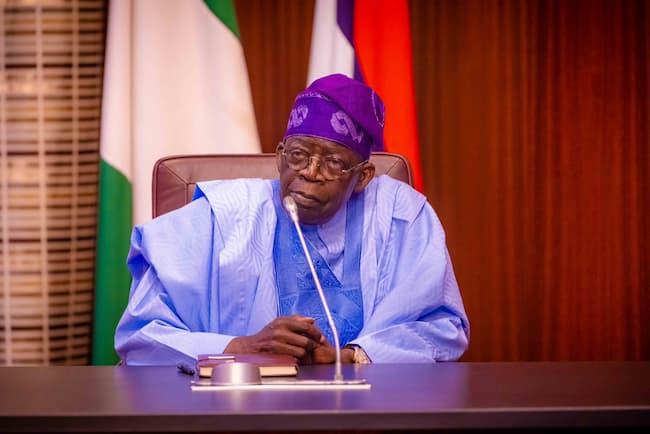
The Socio-Economic Rights and Accountability Project (SERAP) has requested President Bola Tinubu to publicly instruct former governors who are now ministers in his administration to stop receiving life pensions, exotic automobiles, and other state benefits.
SERAP requested President Tinubu to “instruct former governors to immediately return any pension and allowances that they may have collected since leaving office to the public treasury.”
This was revealed in a statement issued on Sunday by SERAP Deputy Director Kolawole Oluwadare.
Former governors who have joined Tinubu’s administration as ministers include Badaru Abubakar, Nyesom Wike, Bello Matawalle, Adegboyega Oyetola, and David Umahi. Simon Lalong, Atiku Bagudu, and Ibrahim Geidam are the others.
The organization stated in a letter dated 19 August 2023 and signed by SERAP deputy director Kolawole Oluwadare, “The appointment of former governors who collect life pensions while serving as ministers is implicitly forbidden by the Nigerian Constitution 1999 [as amended] and the country’s international legal obligations.”
SERAP’s statement
“You would be acting in the public interest by stopping former governors now serving as ministers in your government from collecting life pensions, especially given the current grave economic realities in the country.
“If the ministers that the president appoints are those who collect life pensions rather than serve the public interest, then that may show little about the conduct and integrity of the ministers, but speak volumes about the exercise of presidential power of appointment.
“Nigerians will judge you in part by the conduct, integrity and honesty of the ministers that you appoint to work in your government. Ultimately, the success of your government would depend on the conduct of the ministers that you appoint.
“While many pensioners are not paid their pensions, former governors serving as ministers get paid huge severance benefits upon leaving office, and are poised to enjoy double emoluments on top of the opulence of political office holders.
“We would be grateful if the recommended measures are taken within 7 days of the receipt and/or publication of this letter. If we have not heard from you by then, SERAP shall consider appropriate legal actions to compel your government to comply with our request in the public interest.
“The exercise of your power of appointment ought to reflect ethical and constitutional safeguards and requirements, and the fundamental principles of integrity and honesty.
“Stopping the former governors from collecting double emoluments would be entirely consistent with the proper exercise of your constitutional power to appoint ministers.
“Stopping the former governors from collecting life pensions would ensure that the country’s wealth and resources are used for the common good and benefit of the socially and economically vulnerable Nigerians rather than to satisfy the opulent lifestyle of a few politicians.
“Instructing the former governors now serving as ministers in your government to stop collecting life pensions from their states would also improve public confidence in the integrity and honesty of your government.
“Constitutional oath of office requires public officials to abstain from all improper acts, including collecting life pensions, that are inconsistent with the public trust and the overall objectives of the Constitution.
“A false oath lacks truth and justice. The oath statements require the oath takers to commit to uphold and defend the Constitution.
“According to our information, the following former governors are now ministers in your administration: Badaru Abubakar (former governor of Jigawa State and Minister of Defence); and Nyesom Wike (former governor of River State and FCT Minister).
“Others include: Bello Matawalle (former governor of Zamfara State and Minister of State for Defence); Adegboyega Isiaka Oyetola (former governor of Osun State and Minister of Transportation); and David Umahi (Minister of Works).
“Others are Simon Bako Lalong (former governor of Plateau State and Minister of Labour and Employment); Atiku Bagudu (former governor of Kebbi State and Minister of Budget and Economic Planning); Ibrahim Geidam (former governor of Yole State and Minister of Police of Affairs.
“The states currently implementing life pensions for former governors reportedly include Jigawa, Kebbi, Jigawa, Ebonyi, Yobe, and Rivers. Many of these states owe workers’ salaries and remain the poorest in the country.
“Several of the pension laws in these states include provisions for six cars every three years, a house in Lagos worth N750 million, and another in Abuja worth N1 billion, unrestricted access to medical attention, and pensionable cooks, stewards, and gardeners.
“Other provisions 100 per cent annual salaries of the incumbent governor, security operatives and police officers permanently assigned to former governors.
“SERAP notes that in your inaugural speech as president you promised that your administration will be guided by ‘the principle of the rule of law, a shared sense of fairness and equity’, and that ‘Nigeria will be impartially governed according to the constitution.
“These commitments are consistent with your constitutional duties under sections 5, 130 and 147, and oath of office, under the Seventh Schedule to the Constitution of Nigeria 1999 (as amended).
“By the combined reading of these provisions, your government has a legal obligation to appoint as ministers former governors whose conduct is entirely consistent and compatible with constitutional and international legal requirements.
“These constitutional provisions also require you to instruct the former governors to stop collecting life pensions and to return any pensions collected to the public treasury.
“The country’s international legal obligations especially under the UN Convention against Corruption also impose a legal commitment on public officials to discharge a public duty truthfully and faithfully.
“Life pensions for former governors serving as ministers are entirely inconsistent and incompatible with the Nigerian Constitution and the country’s obligations under the UN Convention against Corruption.
“The convention specifically in paragraph 1 of article 8 requires you and your government to promote integrity, honesty and responsibility in the management of public resources.
“Furthermore, Justice Oluremi Oguntoyinbo in a judgment dated 26 November, 2019 also indicated that double emoluments for former governors are unacceptable, unconstitutional and illegal.
“Indeed, former governors collecting life pensions while serving as ministers would clearly amount to taking advantage of entrusted public positions.
“‘Public function’ means activities in the public interest, not against it. The alleged collection of life pensions by former governors now serving as ministers amount to private self-interest or self-dealing. It is also detrimental to the public interest.”
President Bola Tinubu redeployed ex-Osun State Governor and minister-designate Adegboyega Oyetola from the Ministry of Transportation to the Ministry of Marine and Blue Economy on Sunday.
Abubakar Momoh, another minister-designate, was also transferred from the Federal Ministry of Youth to the Federal Ministry of Niger Delta Development by the President.
“The Federal Ministry of Youth will be re-assigned to a Minister-Designate soon,” said presidential spokesman Ajuri Ngelale in a statement on Sunday.
According to the presidential spokesman, the adjustments are effective immediately.
Tinubu also redeployed a minister-designate, Bunmi Tunji-Ojo, to the Ministry of Interior, while Sa’idu Alkali was redeployed to the Ministry of Transportation, according to Ngelale.
The statement added, “Furthermore, both Ministers of State in the Oil & Gas sector are now domiciled in the Federal Ministry of Petroleum Resources with the following designations:
“(i) Sen. Heineken Lokpobiri is the Hon. Minister of State (Oil), Petroleum Resources
“(ii) Hon. Ekperipe Ekpo is the Hon. Minister of State (Gas), Petroleum Resources
“The President approves the renaming of the Federal Ministry of Environment and Ecological Management as the Federal Ministry of Environment,”
BizWatch Nigeria reports that this redeployment comes a few days after President Tinubu released the portfolios of the approved 45 ministers.
Human rights lawyer Femi Falana, SAN, has requested that the suspended Chairman of the Economic and Financial Crimes Commission (EFCC), Mr. Abdulrasheed Bawa, be released from illegal custody as soon as possible.
A remand order issued by a Magistrate Court in the Federal Capital Territory, he claims, “has become spent, invalid, and illegal because no magistrate has the power under section 493 of the Administration of Criminal Justice Act, 2015 or section 35 of the Constitution of Nigeria to authorise the detention of a criminal suspect for 67 days without trial.”
Falana also asked the Federal Government to ensure that the rights of the suspended Central Bank of Nigeria Governor, Godwin Emefiele, and Bawa are respected by the DSS and the office of the Director of Public Prosecution in the Federal Ministry of Justice, despite the fact that the duo had a penchant for disobeying court orders while in office.
He said that “the plight of both suspects should be a lesson for all public officers in Nigeria who always behave as if there will be no tomorrow.
“However, the Government which rules by law is under a legal obligation not to breach the fundamental rights of citizens except in a manner prescribed by the Constitution of Nigeria”.
See the full statement below:
RELEASE ABDULRASHEED BAWA FROM CUSTODY AS HIS REMAND ORDER HAS EXPIRED
Sometime last month, I had cause to demand for the immediate release of Mr. Godwin Emefiele, the suspended Governor of the Central Bank of Nigeria and Mr. Abdulrasheed Bawa, the suspended Chairman of the Economic and Financial Crimes Commission from the custody of the State Security Service.
In the alternative, I requested the Federal Government to charge the two detained suspects before a court of competent jurisdiction, if there was evidence that they had committed criminal offences.
It is public knowledge that Mr. Emefiele was recently charged with illegal possession of firearms before the Lagos Judicial Division of the Federal High Court. Even though he was granted bail, the State Security Service treated the order of the Court with contempt.
As the violent invasion of the court coupled with the disobedience of the order of the Court by officials of the State Security Service could not be justified, the Federal Government decided to withdraw the charge of illegal possession of firearms.
The case was accordingly struck out by the court while Mr. Emefiele was charged with some economic crimes at the Abuja Judicial Division of the Federal High Court.
However, in view of the fact that Mr. Abdulrasheed Bawa has not been charged with any criminal offence whatsoever, the State Security Service ought to have released him from custody.
I am not unaware of the claim that Mr. Bawa is being detained on the basis of a remand order issued by a Magistrate Court in the Federal Capital Territory. It ought to be pointed out that the remand order has become spent, invalid and illegal as no magistrate has the power under section 493 of the Administration of Criminal Justice Act, 2015 or section 35 of the Constitution of Nigeria to authorise the detention of a criminal suspect for 67 days without trial.
Indeed, under the Administration of Criminal Justice Act, the cumulative lifespan of a remand order is 56 days. Therefore, having exceeded the detention period permitted by the Administration of Criminal Justice Act and the Constitution of Nigeria, the State Security Service should be directed to release Mr. Abdulrasheed Bawa from illegal custody without any further delay.
The Federal Government should ensure that the rights of Messrs Emefiele and Bawa are respected by the State Security Service and the office of the Director of Public Prosecution in the Federal Ministry of Justice, even though the duo had a penchant for disobeying the orders of the courts, when they were in office.
The plight of both suspects should be a lesson for all public officers in Nigeria who always behave as if there will be no tomorrow. However, the Government which rules by law is under a legal obligation not to breach the fundamental rights of citizens except in a manner prescribed by the Constitution of Nigeria.
Nigerian Women in Public Relations (NGWiPR), a pioneering organization dedicated to advancing the role and impact of women in the field of public relations, is thrilled to applaud the historic candidacy of Nkechi Ali-Balogun, vying to be the first woman to attain the esteemed position of National President of the Nigerian Institute of Public Relations (NIPR).
Nkechi Ali-Balogun, a distinguished professional with a wealth of experience and a reputation in the public relations industry, is a trailblazer who once led the Lagos chapter of the NIPR.
This historic candidacy reflects her exceptional credentials, aligns with the NWINPR vision, and signifies a pivotal moment for gender equality and diversity in leadership roles in Africa’s public relations practice.
Tolulope Olorundero, the visionary founder of NGWiPR, expressed her elation at Nkechi Ali-Balogun’s candidacy, stating, “We are immensely proud to witness Nkechi Ali-Balogun stepping forward as a beacon of professional advancement for women in public relations in Nigeria. Her candidacy exemplifies the dedication, professionalism, and capabilities of women within our industry.”
NGWiPR has been at the forefront of promoting gender equality and empowering women in public relations since its inception. The organization firmly believes that Nkechi Ali-Balogun’s candidacy is superior validation of women’s contributions to the field and is a significant step toward a more inclusive and diverse representation within leadership positions in the NIPR.
Nkechi Ali-Balogun has demonstrated her commitment to developing and growing public relations in Nigeria over her illustrious career. Her strategic vision, leadership acumen, and unwavering dedication to the profession have earned her the respect and admiration of colleagues and peers.
NWPR encourages all women stakeholders within the public relations community across the country to rally behind Nkechi Ali-Balogun’s historic candidacy and support her vision for a dynamic and inclusive NIPR. Her election would mark a monumental achievement for women in the profession and reaffirm the institute’s commitment to progress, innovation, and effective communication.
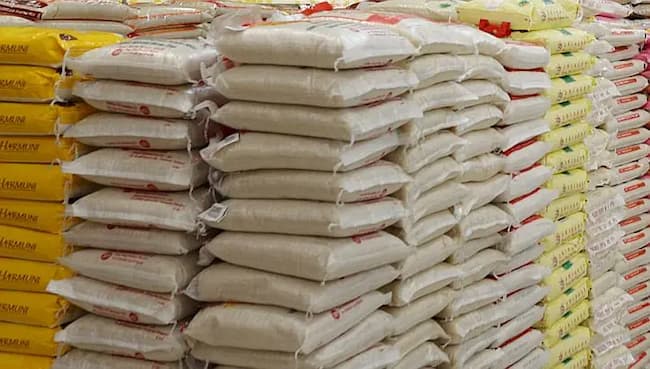
On Sunday, the National Emergency Management Agency (NEMA) said that it had started making plans to distribute 180 trucks of rice to different states, as advised by the National Economic Council.
The Federal Government announced on Thursday 180 trucks of rice and a N5 billion palliative for every state in the federation as part of steps to ease the pain of the subsidy reduction.
Millions of Nigerians are now living in poverty as a result of the subsidy withdrawal program, which caused dramatic and repeated rises in petrol pump prices. This has also worsened the socioeconomic position in the nation.
However, the Borno State Governor, Babagana Zulum, revealed the release of the palliative at the conclusion of the 135th National Economic Council meeting, which was presided over by Vice President Kashim Shettima in Abuja. He said the N5bn was to enable the state governments to purchase 100,000 bags of rice, 40,000 bags of maize, and fertilizers to lessen the impact of food shortages across the nation.
He had also mentioned that the federal government had given five trucks of rice to each of the federal states the previous week in response to the urgent need to reduce the nation’s increasing food prices.
When contacted on Sunday and asked whether the lifting of the trucks of rice to states had yet to start, the spokesperson for NEMA, Ezekiel Manzo replied, “I’m not saying that lifting has not started.
“What I’m saying is that the directive was given on Thursday and arrangements are being made appropriately to carry out the directive.
“And you know that these arrangements would also mean that NEMA will be communicated formerly. But for us in NEMA we are prepared to carryout the directive. That’s what I mean.”
Manzo explained that the council had given NEMA the responsibility to move the commodities, adding that agency would also distribute relief items to some states.
He said, “What was said after the National Economic Council is that NEMA is going to move the items to the states, and NEMA is also expected to distribute relief materials to communities in the states bordering Nigeria and Niger Republic.
“The Kogi State governor even made a statement that NEMA would need to be empowered for the management of flood. So those were the outcomes of the National Economic Council meeting, which was held on Thursday.
“But you must also know that in every meeting, minutes are prepared and directives are communicated. So that is the stage that we are right now.”
Recall the NEC had on Thursday outlined how the rice would be shared and other modalities associated with the programme.
“NEC met today and expressed serious concerns as regards increasing cost of food items, increasing cost of transportation amongst others as a result of subsidy removal. In order to cushion the effect of subsidy removal, the federal government released five trucks of rice to each state last week.
In three years, the Central Bank of Nigeria (CBN) has increased its involvement in the industrial, aviation, and power sectors to N5.6 trillion. The soft loans were issued notwithstanding the ongoing and various difficulties that the major economic sectors continue to face. The CBN result and accounts between 2020 and 2022 were used to fund the three sectors’ apex bank loans.
According to data on credit concentration in the economy’s main sectors, loans from the central bank totaled N5.6 trillion for the industrial, aviation, and power industries combined.
Under its suspended governor, Mr. Godwin Emefiele, the CBN engaged in aggressive lending competition with commercial banks to various economic sectors. However, the loans from the top banks had extensive payback terms and single-digit interest rates.
The breakdown revealed that CBN’s receivables and other assets in the power and aviation sector of Nigeria stood at N50.6bn in 2022, a decline of 96.4 per cent from N1.39tn in 2021.
Additionally, it reported N935 billion in the electricity and aviation sectors in 2020. Manufacturing revenue was N1.23 trillion in 2022, up 33.46 percent from N919.03 billion in 2021. Additionally, in 2020, N1.07 trillion was concentrated in the industrial sector.
The national bank disclosed that its total receivables and other assets amounted at N47.39 trillion as of 2022, up from N43.18 trillion recorded in 2021. A sizeable chunk came from federal government receivables.
Segun Ajayi-Kadir, the director-general of the Manufacturers group of Nigeria, said that despite repeated attempts to get credit facilities from the top bank, the group had never received a response.
He said, “We have 2,500 manufacturers. We have asked the CBN which manufacturers they are supporting, so we can collaborate with them, they have not obliged us. We are a coordinated group. We work together. So, to lump us together with other sectors that have non-performing loans, I don’t understand what they are talking about.”
According to the most recent oil production figures, Nigeria lost almost N249 billion in crude oil income in July as a result of a decline in oil production of more than four million barrels in the same month.
According to information received from the Nigerian Upstream Petroleum Regulatory Commission, the nation’s total oil output fell to 33.5 million barrels in July from 37.5 million barrels in June.
This demonstrates that during June and July, the nation lost nearly four million barrels of oil. The decline in Nigeria’s oil production has frequently been attributed to pipeline vandalism and crude oil theft.
According to statistics from the World Bank, the average price of Brent, the worldwide standard for crude oil, in July 2023 was $80.1 per barrel.
It is implied that Nigeria lost around $320.4 million in the review month based on the four million barrels of crude oil that were lost. The average conversion rate of the local currency in July was N777.3/$, according to data from spot exchange rates for the United States dollar to the Nigerian naira in 2023.
When the $320.4 million is multiplied by the average exchange rate in July, it is implied that Nigeria lost nearly N249 billion during the month under consideration.
According to data from the NUPRC, the nation produced 1.25 million barrels per day of crude oil in June, but that number fell to 1.08 million barrels per day in July. In May, the nation produced 1.18 mbpd, which was more than the 0.99 mbpd production number seen in the month before, April.
that crude from Nigeria dropped by 38,102 barrels per day in March, translating to a cumulative loss of about 1,181,162 barrels, and signaled the first plunge in oil production since seven months.
But the drop grew worse in April, as it plunged by 269,600 per day when compared to what was recorded in the preceding month.
Nigeria’s oil production had been on the rise since September 2022, following concerted efforts by the Federal Government and stakeholders to curb oil theft in the sector.
The rise in oil output was, however, not sustained in March, as figures from the NUPRC showed that while the country pumped 1.31mbpd of crude daily in February, the volume dropped to 1.27mbpd in March and further went down to 0.99mbpd in April.
Nigeria recorded its lowest oil production volume of 0.94mbpd in September 2022. The Federal Government and oil sector players had blamed this on the massive crude theft in Nigeria’s oil rich Niger Delta.
The situation also led to humongous revenue losses for the country, international oil companies operating in Nigeria, as well as indigenous operators in the industry.
But the country’s oil output started improving after September, following concerted efforts by security officials and oil operators, as industry figures showed that crude production rose to 1mbpd in October 2022.
This indicated an increase of 0.077mbpd when compared to the 0.937mbpd output in September. In November, the country pumped 1.185mbpd crude, representing an increase of 0.171mbpd when matched against what was produced in October.
The rise in output continued in December last year, as Nigeria produced 1.253mbpd in that month, indicating an increase of 0.05mbpd when compared to its output in November.
The 1.258mbpd oil production in January 2023 was about 23,000bpd higher than the 1.235mbpd crude oil output in December 2022.
The momentum was sustained in February, with an output of 1.31mbpd. But the volume dropped to 1.27mbpd in March, putting an end to the seven-month run in Nigeria’s oil output. It further went down in April to 0.998mbpd, moved up to 1.18mbpd in May, increased further to 1.25mbpd in June, but crashed to 1.08mbpd in July.
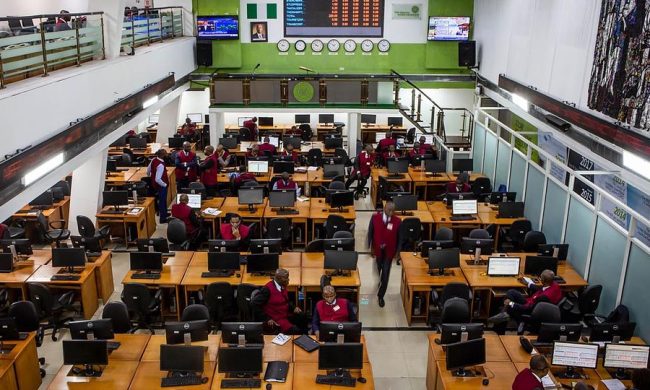
Following profit-taking actions on all trading days last week, except Friday, the Nigerian Exchange (NGX) equity section shrank. After six weeks of gains, the local stock exchange ended up losing more over N150 billion overall.
By selectively choosing growth and value companies across important market indexes, alpha hunters continue to position themselves to lower inflation pressures on naira assets under management. Due to consistent dividend payments, the banking sector has had a purchasing boom, and some experts believe the sector is currently cheap.
Due to sell pressure on AIRTELAFRI (-5.3%), which caused the All-Share index to fall by 0.9% to 64,721.09 points, the local exchange was down. Due to this, the year-to-date performance fell, although it was still better than yearly inflation rate readings.
Trading patterns demonstrated that most investors booked gains in expensive and recognizable stocks. Market capitalization decreased last week from N35.57 trillion the week before to N35.42 trillion, according to data from the Exchange.
The All-Share Index’s (ASI) year-to-date return was negatively impacted by the weight loss. Year-to-date return moderated to 26.28% towards the end of the week.
The buy-side activity in significant companies including TRANSCORP 3.74%, DANGCEM 2.89%, PZ 2.65%, ACCESSCORP 1.80%, FCMB 1.69%, FBNH 0.80%, MTNN 0.22%, and other listed securities caused the market to turn positive on Friday.
The total trade value saw a substantial rise of 152.42%, reaching NGN 9.39 billion. Additionally, the trade volume also displayed an increase of 67.82%, with a cumulative total of 537.58 million units traded across 5,893 transactions.
The Consumer Goods and Industrial Goods sectors were notable gainers, posting week-on-week increases of 2.39% and 0.37% respectively. Key stocks like TRANSCORP, DANGSUGAR, CWG, CUTIX, and DANGCEM contributed to these gains.
Equally, the Insurance, Banking, and Oil & Gas sectors experienced declines of 2.17%, 2.06%, and 0.42% respectively. These sectors were impacted by cautious investor sentiment and sell-offs in select mid and high-cap stocks.
These stock experience selloffs ACCESSCORP, UNITYBNK, LASACO, and ETERNA, as investors meticulously evaluate the interplay of market and economic conditions. Trading activity remained subdued with low volumes and a bearish undertone, according to stockbrokers.
Data from the Nigerian Exchange showed that weekly deals decreased by 3.83% to 29,477 deals.
The average traded volume decreased by 2.98% to 1.69 billion units, while the weekly average value increased by 13.60% to N21.97 billion compared to the previous week’s N19.34 billion.
Amid the negative market breadth, certain stocks stood out. LINKASSURE (+18%), CORNERST (+10%), and WEMA (+8%) emerged as the top performers of the week, drawing the interest of astute investors. Stockbrokers said in their market updates that NEM (-10%), UNITYBNK (-10%), and ETERNA (-9%) faced declines due to unfavourable price movements.
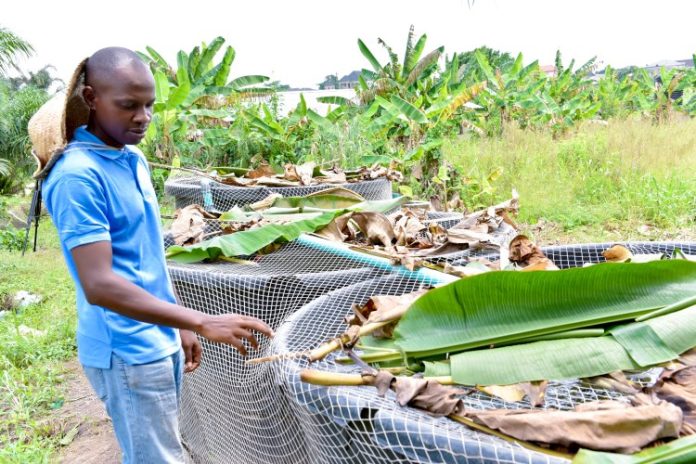
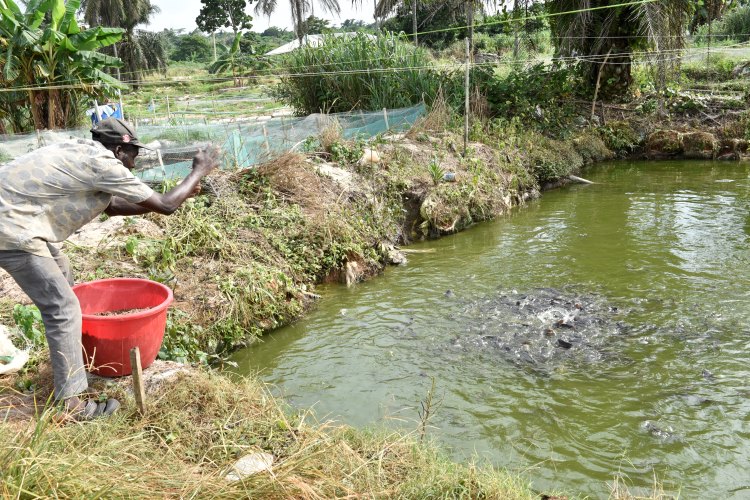
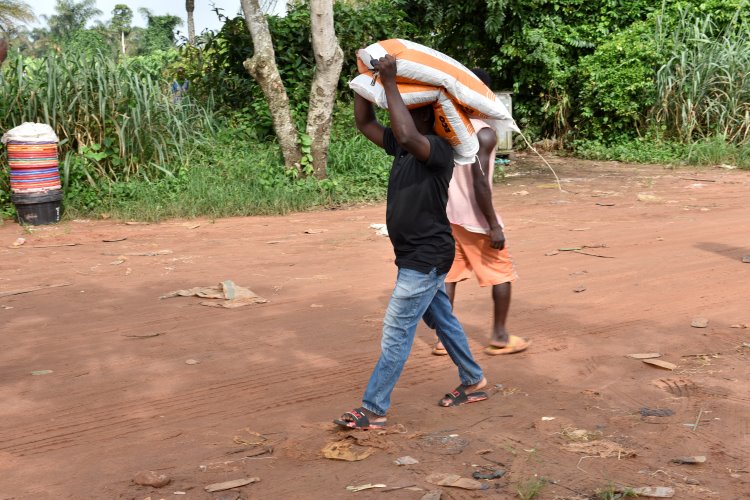
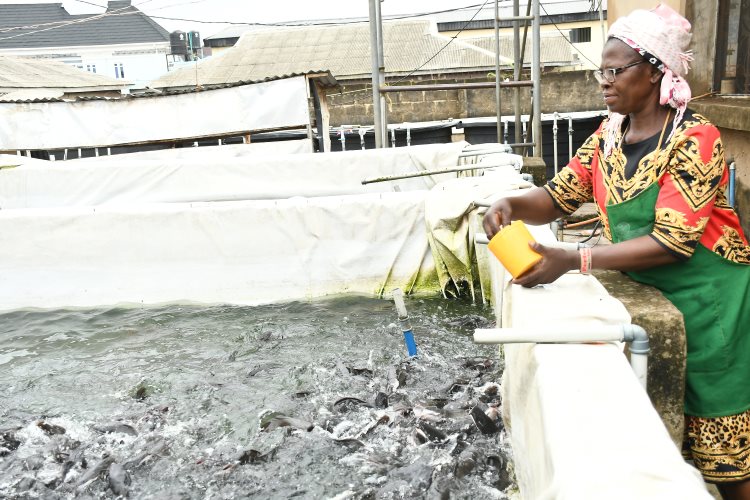
Fish provides essential nutrition for 3.3 billion people in the world. Both primary fisheries and aquaculture employ 58.5 million people globally. Somehow, the potential of the fish farming value chain in Nigeria was largely untapped until recently.
In the past six years, there has been a significant leap in production, employment generation and overall economic contributory levels of the sector – thanks to Olam Agri’s investment drive and the efforts by the Federal Government and relevant global agencies.
The company’s investment journey in Nigeria’s aquaculture sector began in 2017 through its integrated feed milling unit. In that period the challenges confronting the sector were enormous. Matthew Tan, a global expert on aquaculture who was engaged to work with the local fish farmers that year identified some of the challenges associated with the sector as unsustainable husbandry and poor feeding practices among farmers, inbreeding problems, lack of water monitoring capability and lack of basic biosecurity.
Consequently, the local Feed Conversation Ratio (FCR) and hatchery mortality rate were high. Brood stock growth phases and harvest sizes were poor due to the alarming inefficiency in the sector, a result of a rooted knowledge gap.
Corroborating the poor state of the sector in that period, Olawale Onada, the Regional Technical Manager for the Olam Agri feed milling unit covering Southwest 1, said, “Farmers had low knowledge of trendy pond management techniques. They were ignorant of pond PC and water measurement parameters. They lacked pond disease management knowledge. They didn’t know that it was important to test their water before they started farming. They believed that once there was a pond they could go ahead and start farming. Therefore, the pond mortality rate was high. The pond yield was low, and their farm yield and return on investment were badly affected.”
A timely intervention
Olalere Ambali, an aquaculture technical executive who also works with Olam Agri’s feed milling unit explained, “When we started working with the farmers, a good number of them were using traditional feed which had low nutritional value. Also, most of the farm clusters we visited initially had ponds that had high ammonia levels causing high breed mortality. The technical inputs in the fish farms were poor.”
The aquaculture sector underperformed regardless of past policy interventions and public-private investment efforts until Olam Agri’s feed milling unit deployed its broad technical and milling capabilities to address the various hurdles negating growth. Capturing the pre-2017 state of the sector further, a research work by Delta State University put the total production output in the country at a ‘meagre 200,000’ despite the availability of 1.75 million hectares of arable land suitable for fish farming around the country.
The inefficiencies in the sector compounded the issues around food security. According to the report, whereas fish products provide around 60% of the required daily protein intake for rural adults in the country, the poor performance of the aquaculture sector meant a larger segment of the population was only able to access 8 grams daily animal protein intake against the 35 grams recommended by the Food and Agriculture Organisation (FAO).
To arrest the sector’s inefficiencies, the global expert engaged by Olam Agri and a team of trained local technical staff embarked on fish farm cluster engagements across the country.
A sector on a resurgence
Speaking about Olam Agri’s engagements Matthew Tan, the expert, said, “The global aquaculture sector is expected to grow at 5.5 percent CAGR reaching USD 421.2 billion in 2030. Nigeria has always had a huge potential to tap this growing market to improve its food security and economic position. We saw the potential in the country’s aquaculture sector in 2017. We decided to work with the local fish farmers to alleviate the challenges hampering growth. We developed a set of training and farming protocols for farmers in the country. We conducted hundreds of training sessions with thousands of farmers in attendance.”
He expatiated, “Hundreds of farming co-operatives participated in our training programs. Over time as farmers began to implement the knowledge gleaned through the training, we started to see improvements in pond survival and final harvest in the farming community across the country. The growth in the aquaculture sector underlines the value of Olam Agri’s Seeds for the Future (SFTF) initiative. The SFTF is the agribusiness social sustainability investment vehicle. It focuses on five key levers, which are supporting farmers and farming communities, enabling broader education & skill development for young people, empowering women (farmers & bakers), promoting health & nutrition, and reducing carbon emissions in business operations.”
Olawale and Olalere who were part of Olam Agri’s executive technical team captured the experience. Olawale said, “Immediately we entered a community we identified new prospects that needed technical inputs. For instance, at the Asejere and Kajola fish farm clusters located in Ijebu-Ode, Ogun State, two of the largest fish farm clusters in West Africa, we introduced the farmers to the best global fish farm management practices comprising hatchery management, PC collection, feed and feeding management, water quality management and disease management. We ran trials on their farms to give them first-hand knowledge of these best management practices. They have been able to adopt these practices and confirmed improvements in their yield and incomes.”
He added that farmers who previously had 20 ponds were able to grow their businesses to expand to around 40 ponds because of adopting the knowledge and tools delivered by the team.
Also, Olalere reiterated the impact of the company’s business investment efforts making mention of how it produced and delivered quality fish feed that aided the growth of brood stock, reduced pond mortality rate and farms’ cost of production.
Olam Agri’s animal feed brands comprising EcoFloat, Blue Crown, Aqualis and Alpha are full-floating freshwater fish feed. The brands are specifically tailored to the needs of the African catfish and farming practices in Nigeria. They are rich in amino and protein balance; thereby fostering faster fish stock growth. The brands presently offer balanced nutrition for best-in-class feed conversion ratios to more than 15,000 local fish farmer businesses in the country.
Attesting to growth in the fish farming value chain, the Food and Agriculture Organisation (FAO) said in 2021 that Nigeria has been able to achieve the production of over 1 million metric tons of fish annually. It put the estimated value of the country’s annual production at USD 2.6 billion. The catfish value chain was said to offer employment to around 1 million people while the estimated number of fish farmers increased to 285,000.
Acknowledging Olam Agri’s investment efforts in the value chain, Oropo Abiola, a fish farmer who operates in the Kajola fish farm cluster in Ijebu Ode, said, “Olam Agri came to our farm cluster and trained us on pond water management techniques, how to test PH level in the pond, and ways to curb feed waste. They helped us understand the science of catfish farming, especially how to create the right environment for the fish to thrive. These efforts have really impacted our businesses.”
Odafi Lazarus, a fish farmer in the Asejere farm cluster expatiated, “What Olam Agri is contributing to the industry is huge. When the business’ Eco-Float feed was introduced to us, we were able to cut waste and lower production costs in a way. The floating feed helps us measure livestock consumption. The feed floats, unlike the sinking pallet that goes down deep into the pond where we don’t know if the fish are consuming everything or not.”
Olatoye Fajimi, the Vice President of the Lagos State Catfish & Allied Farmers Association, who also runs a fish farm in the Itamaga fish farm cluster of Ikorodu, said, “Since feed is one of the most important inputs in fish farming, Olam Agri increased the availability of feed to farmers. They are helping farmers gain access to feed in an instant by localizing their production in key hubs here in Nigeria. They also employ technical experts as salespeople who go around to visit farms to work with the farmers to improve farm clusters productivity.”
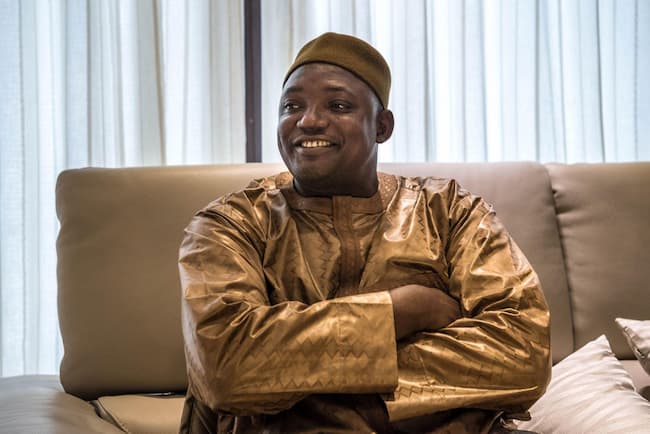
Gambia’s President Adama Barrow has halted all international travel by officials, including himself, in order to decrease state spending, a government spokeswoman revealed Saturday.
According to presidential spokesman Ebrima Sankareh, Barrow signed an executive order “suspending all overseas travels by the president, vice-president, cabinet ministers, senior government officials, civil servants, and employees across all government institutions and agencies” for the rest of the fiscal year.
Meetings requiring Gambian participation and abroad travels wholly funded by external sources will be exempt.
The Gambia, continental Africa’s smallest country with a population of just more than two million people, ranks 174th out of 191 on the UN’s Human Development Index, which considers health, education, and standard of life.
According to the World Bank, more than a fifth of the world’s population lives on less than two dollars per day. Last year, annual inflation was 11.6 percent.
Gambia’s budget deficit grew last year as tax revenues fell and state subsidies on fuel, fertilizer, and grain increased as a result of the Ukraine war’s effects.
The budget deficit and debt levels have also increased as a result of lower tax collections and increased subsidies for fuel, fertilizer, and grains as a result of the Ukraine conflict.
There aren’t many things in this world that hold as important a place in so many people’s hearts – that captivates, inspires, and brings people together in community and celebration – like both sports and music does.
More than just a sound, music connects us to one another, to our culture, our heritage and tells our stories. It allows us to share how we’re feeling, gives us an outlet to express ourselves, and makes our lives more vibrant. And more than just a game, sports can bind people from different backgrounds, cultures, and beliefs in support of their favourite club or team. Through sport we form bonds with one another by watching our team overcome all odds, achieve something new, grab victory from the jaws of defeat or fall short of the win. It helps us feel like we are a part of something bigger than ourselves. Most importantly, both sports and music are simply just fun.
Music has always resonated with sports. From as far back as the 1992 Olympics when the song, Barcelona by Freddie Mercury and Montserrat Caballé was featured as the theme song, to the 2006 Germany World Cup, The Time of Our Lives theme song by Il Divo and Toni Braxton, music has always acted as a catalyst that enables sports stick. In Africa, songs like Jerusalema by Master KG and Nomcebo Zikode, Wavin’ Flag by K’NAAN, Waka Waka by Shakira and Issa Goal by Naira Marley, Lil Kesh and Olamide have also been associated with soccer. African soccer legends like Drogba, Eto’o and Okocha have also been known to be quoted in the lyrics of songs. Recently, Burna Boy’s performance at the Champions league final this year also reinforces the obvious bond between music and sports.
Very much two sides of the same coin, it’s no surprise then that when we bring sports and music together, it can have a powerful impact. Together, they can strengthen communities, fuel political processes, and drive socio-cultural and economic change. This is especially true in Africa which boasts the youngest population in the world, at more than 400 million individuals aged between 15 and 35. Spotify data shows that listeners aged between 18-24 created the most playlists with the word ‘sport’ in them, followed by 25-29 year olds, a clear indication that Africa’s youth is on the pulse of the synergy between music and sports.
This young population continues to grow rapidly while African talent across both spheres of music and sports is booming in abundance. This is demonstrated by the rise in popularity and proliferation of African genres like Amapiano and Afrobeats internationally; Spotify data shows that African music’s Year on Year growth in international markets rivals that of KPOP. Its leading artists such as Burna Boy, Davido, Tiwa Savage, Rema, DJ Maphorisa, Uncle Waffles and Black Coffee are taking over global stages. Meanwhile, many African athletes are key players for international clubs across sports such as basketball, football and rugby.
With Africa’s music market expected to show an annual growth rate of 11.32% between now and 2027, resulting in a projected market volume of US$47 million by 2027 and total revenue in the sports market on the continent expected to grow at an annual rate of 9.02% between now and 2027, resulting in a projected market volume of $8 million by 2027, it’s clear then that the fusion of sport and music offers substantial potential to help drive economic growth and development.
We can already see this impact realised through partnerships such as the collaboration between Spotify and European football club F.C. Barcelona. Under the first-of-its-kind partnership, the two worked together to bring the worlds of music and football together by giving a global stage to players and artists and building new opportunities to connect with fans at the home of Barcelona’s fans, Spotify Camp Nou. Some of the African artists who have been featured in the 99,000 seat stadium’s advertising board include Firebody DML, CKay, Omah Lay and DJ Spinall. This is in line with Spotify’s aim to leverage F.C. Barcelona’s global fan base to fuel discovery and engagement with artists in turn creating more opportunities for those artists to live off of their art.
The US National Basketball Association (NBA) also took advantage of the collaborative power of sport and music during its All-Star Weekend this year by bringing artists like Burna Boy, Tems, and Rema together as performers for its halftime show.
Spotify has also partnered with youth basketball non-profit organisation Giants of Africa, for the inaugural Giants of Africa Festival between 12 – 19 August in Kigali, Rwanda. Since 2003, Giants of Africa has positively impacted over 40,000 African youth across 17 countries providing access to over 110 basketball courts, camps and clinics. By joining forces, the two will bring together the best of African youth, basketball, music, culture, and entertainment on the continent and beyond to showcase a shared vision for Africa’s future. Playlists with the word ‘basketball’ on Spotify have increased by over 1,300% since 2020, so this partnership is happening at the opportune moment.
The Giants of Africa festival will culminate in a closing ceremony, presented by Spotify, where some of the biggest African artists like Davido, Tiwa Savage, Tyla and Bruce Melodie will perform. These artists’ core listeners on Spotify are aged between 18-29, further underlining Giants of Africa and Spotify’s shared commitment to investing in African youths.
With such a vast pool of particularly young sport and musical talent to be found on the African continent, it’s clear that investment in their development to compete on an international level will drive socio-economic and cultural impact across communities on the continent. By leveraging the connective power of both sport and music together, we can not only create a platform for this young talent but also attract much-needed investment into our local sports and music industries which would help us to discover, nurture and develop the artists and athletes of the future.
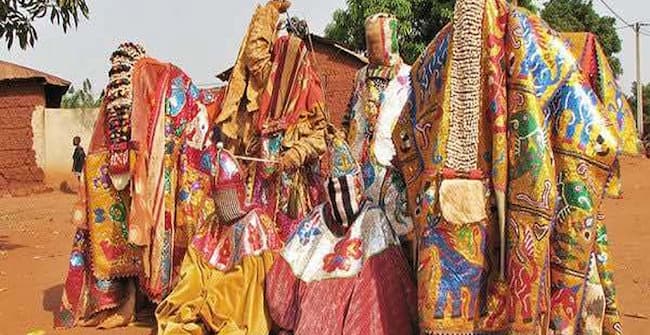
Dapo Abiodun, Governor of Ogun State, has announced Monday, August 21, 2023, as a public holiday to honor the annual Isese Day.
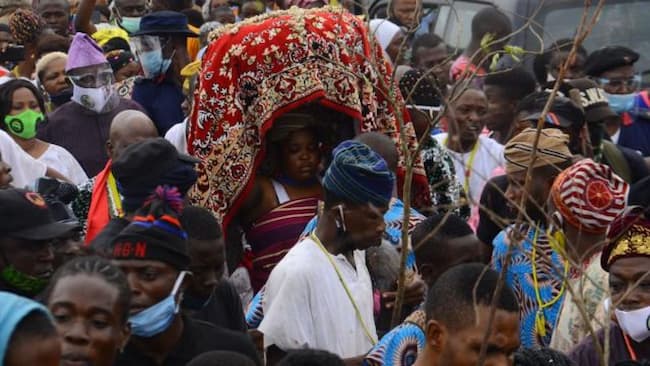
Traditional religious believers set aside Isese Day to honour Yoruba culture and heritage.
Governor Abiodun welcomed the prevailing harmony among members of various religions in Gateway State, according to a statement issued on Saturday by his Chief Press Secretary, Lekan Adeniran.
He stated that the decision to give Isese Day special attention was made to maintain the culture of honouring the traditions of the Ogun people and to ensure the maintenance of unity and harmony among the state’s three major religions.
The governor emphasized his support for and respect for all religions in the state.
He also underlined his administration’s dedication to promoting, preserving, and nurturing our people’s culture and customs.
While thanking traditional religion followers on the occasion, he also advised them to rejoice with decency and avoid behaviors that could jeopardize the state’s existing tranquility.
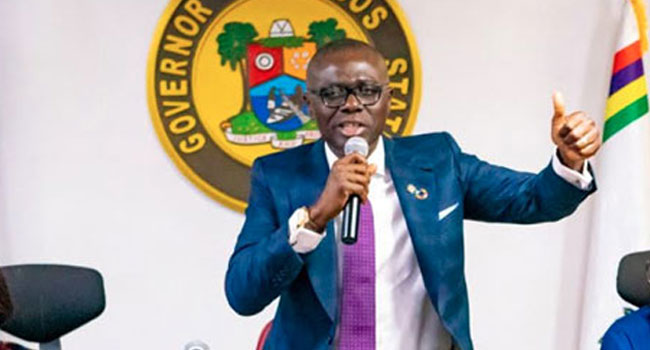
The Lagos State Government (LASG) has proclaimed Monday a holiday in observance of Year 2023 Isese Day (Tradition Day), which falls on August 20, 2023.
Hakeem Muri-Okunola, the Head of Service in Lagos State, confirmed this in a statement.
The statement read: “It is hereby notified for general information that this Year’s Isese Day celebration will hold on Sunday, 20th August, 2023.
“In restating its commitment to continue to provide necessary support to traditional institutions in the State with a view to promoting our indigenous culture and tradition while preserving our heritage, Mr. Governor, Babajide Olusola Sanwo-Olu has graciously declared Monday, 21st August, 2023, a work-free day for public servants in the state.
“Work will, therefore, resume on Tuesday, 22nd August at 8a.m. prompt.
“Accordingly, Accounting Officers of Ministries, Departments and Agencies (MDAs) are hereby enjoined to take note of the contents of this circular and give it the deserved service-wide publicity.”
Oyo State Governor Seyi Makinde has announced Monday a public holiday to commemorate the 2023 Isese Day.
“Makinde approves August 20 as Isese Day, declares Monday a public holiday.
The Oyo State governor, ‘Seyi Makinde, has approved that August 20 of every year as Isese Day in the state,” the governor’s Chief Press Secretary Sulaimon Olanrewaju said in a statement.
“To this end, the governor has declared Monday, August 21, 2023, as the maiden public holiday to commemorate the day.”
The statement cited a circular from the Secretary to the Oyo State Government, Professor Olanike Adeyemo, encouraging traditional worshippers in the state to use the occasion to pray for the peace, unity, and stability of the state in particular and the country in general.
It stated that Makinde’s support of Isese Day demonstrates the governor’s “commitment to inclusivity and respect for all religious practices in the state.”
The announcement follows a similar one by the Lagos State Government, which proclaimed Monday a public holiday to commemorate this year’s Isese Day.
Osun and Ogun states have also proclaimed a work-free day for the festivities.
The World Health Organization (WHO) is actively following BA.2.86, a new COVID-19 variation discovered in Israel, Denmark, and the United States.
The WHO stated in a report during the week that the new version of the various is being classified as a variant under monitoring (VUM) due to the substantial number of spike gene alterations it has.
“On 17 August 2023, WHO designated a new SARS-CoV-2 variant, that has been assigned the scientific name (Pango- lineage designation) BA.2.86 as a variant under monitoring (VUM) due to the large number (>30) of spike gene mutations it carries,” the bulletin reads.
“Currently, there are only four known sequences of this variant reported from two countries in the European Region and one country in the Region of the Americas with no known associated epidemiological connections.”
The WHO stated that the possible impact of the BA.2.86 mutations is unknown at this time, but that it is being carefully evaluated.
The organization stated that it will continue to advocate for improved COVID-19 surveillance, sequencing, and reporting as the virus circulates and evolves.
The US Centers for Disease Control and Prevention announced in a post on X, formerly known as Twitter, that it is monitoring the virus’s lineage.
“CDC is tracking a new lineage of the virus that causes COVID-19. This lineage is named BA.2.86, and has been detected in the United States, Denmark and Israel.
“CDC is gathering more information and will share more about this lineage as we learn it.”
The Presidential Compressed Natural Gas Initiative (PCNGI) has been established by President Bola Tinubu.
Ajuri Ngelale, special advisor to the president on media and publicity, said in a statement on Friday that the initiative will mitigate the impact of the elimination of petrol subsidies on Nigerians by lowering energy expenses.
According to the special adviser, the program also aims to transform the country’s transportation scene, with over 11,500 new CNG-enabled vehicles and 55,000 CNG conversion kits for existing PMS-dependent vehicles.
In accordance with the presidential decree, he claimed, this will also boost in-country manufacturing, local assembly, and job development.
“The landmark initiative, which comprises a comprehensive adoption strategy, will include empowering workshops programmes worldwide/nationwide network of workshops,” Ngelale said.
“Local assembly and job creation as key points of emphasis with an initial focus on mass transit systems and student hubs in order to significantly reduce transit costs for the general populace in the immediate term.”
According to Ngelale, the PCNGI will facilitate the provision of workshops with essential kits and complete training for newly hired workers across all geopolitical zones and states, hence creating new chances for technical skill development and employment for Nigerians.
This is consistent with the initiative’s goal to enable CNG utility’s seamless integration into the present midstream and downstream energy value chain to support its sustainability, he said.
Speaking further about the program’s goals, Ngelale stated that a new stakeholder-operated intra-state CNG mass transit system would be developed.
Ngelale said, “Support for states to onboard new CNG buses as part of their intra-state mass transit network (wholesale conversion, retro-fitting and new purchase).
“The deployment of CNG buses through existing private mass transit operators, including new financing programmes for operators through an innovative asset finance programme.
“Incentivise investors to invest in CNG processing, distribution and utilisation by providing incentives for enhanced investment and partnership.
“Deliver training and technology transfer to support the after-sales service and maintenance sub-industry to create sustainable jobs.”
Ngelale noted that the president’s focus will go a long way toward stimulating economic growth and strengthening the nation’s automotive manufacturing capabilities.
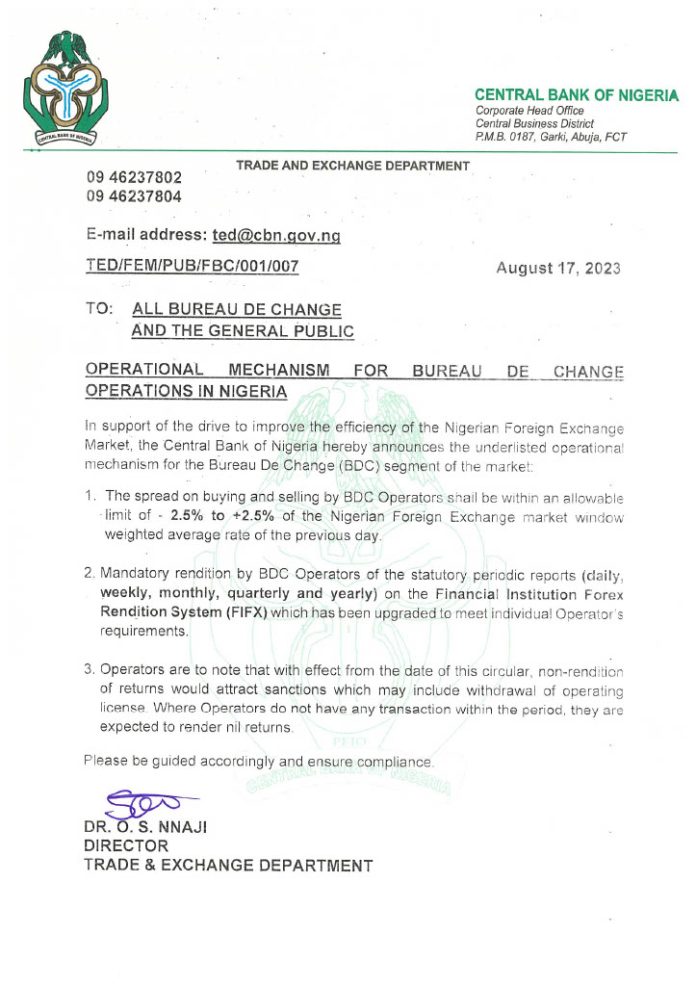
The Central Bank of Nigeria (CBN) has issued new operational procedures for the sale of foreign currency by Bureau De Change (BDC) operators in the country.
CBN via a statement obtained by BizWatch Nigeria said, “the spread on buying and selling by BDC Operators shall be within an allowable limit of -2.5% to +2.5% of the Nigerian Foreign Exchange market window weighted average rate of the previous day.
“Mandatory rendition by BDC Operators of the statutory periodic reports (daily, weekly, monthly, quarterly and yearly) on the Financial Institution Forex Rendition System (FIFX) which has been upgraded to meet individual operator’s requirements.
“Operators are to note that with effect from the date of this circular, non-rendition of returns would attract sanctions which may include withdrawal of operating license.
“Where Operators do not have any transaction within the period, they are- expected to render nil returns. Please be guided accordingly and ensure compliance.”
Emefiele stated that the BDCs had become money laundering agents, emphasizing that the CBN “will deal ruthlessly with Nigerian banks who have acted as collaborators with these illegal forex dealers; we will deal ruthlessly with them because they have allowed their banking and payment system infrastructure to facilitate these illegal dealings in foreign exchange.”
He stated at the time that the BDCs were dollarizing the Nigerian economy and undermining the central bank’s cashless strategy.
However, in a move to stabilize the foreign exchange market, the CBN’s new leadership has asked the BDCs to be guided and follow the new standards.
The apex bank did not clearly indicate whether it will continue to sell dollars to BDCs.
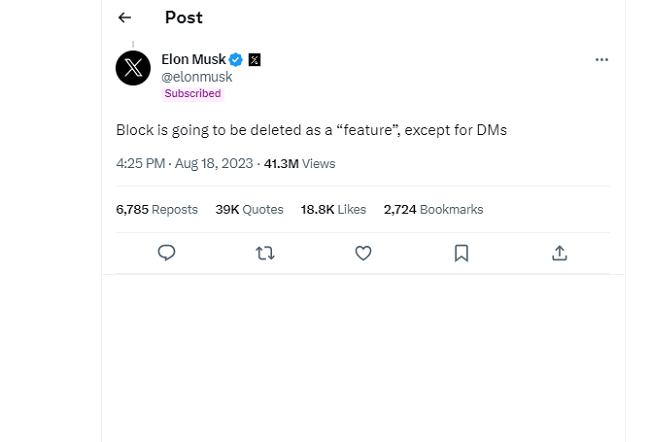
Elon Musk, the owner of X (previously known as Twitter), has stated that users would no longer be able to block other accounts.
In a message uploaded on the platform on Friday, the billionaire businessman, Elon Musk stated that the feature makes “no sense” and will be removed from the platform soon.
However, he stated that the block feature will remain for direct messages.
Musk said, ““Block is going to be deleted as a ‘feature’, except for DMs.
“Block is going to be deleted as a “feature”, except for DMs.”
Block is going to be deleted as a “feature”, except for DMs