The scheduled Wednesday arraignment of suspended Central Bank of Nigeria (CBN) Governor Godwin Emefiele for an alleged N6.9 billion procurement scam has once more been postponed.
Due to the absence of both parties’ attorneys from court on Wednesday, the subject was not placed on the Federal Capital Territory (FCT) High Court’s cause list in Abuja. It was learned that the suspended head of the top bank appears to have chosen a plea deal with the government.
The second defendant, who was allegedly indisposed, was not present at the scheduled arraignment for the suspended CBN governor, who appeared before the court last Thursday.
Although Sa’adatu Yaro, a female CBN employee who was the second defendant, was not present in court, Emefiele, the first defendant, was. The issue was postponed to August 23, 2023, by the presiding judge, Justice Hamza Muazu, in response to a request for delay.
According to MarketForces Africa, the Nigerian government had originally planned to arraign Emefiele and his supporters on Thursday of last week for their alleged participation in procurement fraud.
At the FCT High Court in Abuja, he was scheduled to be charged with Sa’adatu Yaro, a female CBN employee, and April1616 Investment Limited, her business. However, because to the unavailability of several of the defendants who joined the charge, particularly the second defendant, Yaro, the arraignment was postponed to August 23.
Counsel to the government and Director of Public Prosecution of the Federation, Mohammed Abubakar, had told Justice Hamza Muazu that Yaro took ill in the morning of last week Thursday, hence her absence. The suspended apex bank chief, Yaro and her company were charged on 20 charges of procurement fraud, conspiracy and conferring corrupt advantages on his associates.
Emefiele was accused of conferring corrupt advantages on Yaro who is a director in April 1616 Investment Ltd with the offence said to be contrary to Section 19 of the Corrupt Practices and Other Related Offences Act 2000.
On Tuesday, several local investors kept selling their portfolios of FGN bonds in the secondary market despite the continuous negative interest yield on naira assets in the fixed income securities market.
The money was then welcomed by the stock market, increasing the year-to-date return to roughly 28%. Comparing the actual return on government instruments to the market as a whole, the return on equity is already more than the annual inflation rate of 24.08%.
CardinalStone informed clients via email late on Tuesday that gloomy views are still pervasive in the bond market and that investor sell-offs are biased towards the mid (+2bps) and long (+18bps) regions of the curve. Some experts and dealers said that the selloffs occurred as a result of a lackluster demand for FGN bonds at the debt agency’s just finished monthly auction.
Pension Fund Administrators, regional deposit money banks, and other authorized dealers continue to express a desire for yield repricing, although spot rates have moved in an uninteresting manner throughout the main market auctions held by the monetary authority and debt management office. They have also been unstable.
According to an update from Cordros Capital, as market participants sold off the bonds dated MAR-2024 (+8bps), JUN-2033 (+31bps), and MAR-2036 (+74bps), respectively, the average yield increased throughout the benchmark curve in the short (+1bp), mid (+5bps), and long (+18bps) segments.
Notably, the yield on the 10-year bond was about 14.22%, up 4 basis points from the previous closing. Additionally, the rates on the 20-year and 30-year FGN bonds remained stable at 15.19% and 15.30%, respectively. The average bond yields climbed yesterday at the closing of business.
In the money market, liquidity level declined strongly following auction debits, thus pushing short-term benchmark rates higher, causing funding pressures for Nigerian deposit money banks striving to meet their daily liquidity requirements. Consequently, the overnight lending and repo rates advanced by 1.30ppts and 1.45ppts to close at 23.80% and 24.75% apiece.
The Nigerian Treasury bills secondary market traded with bullish sentiments, as the average yield contracted by 11 basis points to 8.3%.
Across the curve, Cordros Capital told investors that the average yield declined at the short (-73bps) end as participants demanded the 65-day to maturity (-293bps) bill but expanded at the long (+6bps) end due to the selloff of the 338-day to maturity (+79bps) bill.
Conversely, the average yield was flat at the mid-segment. Elsewhere, the average yield was unchanged at 11.2% in the OMO bills segment.
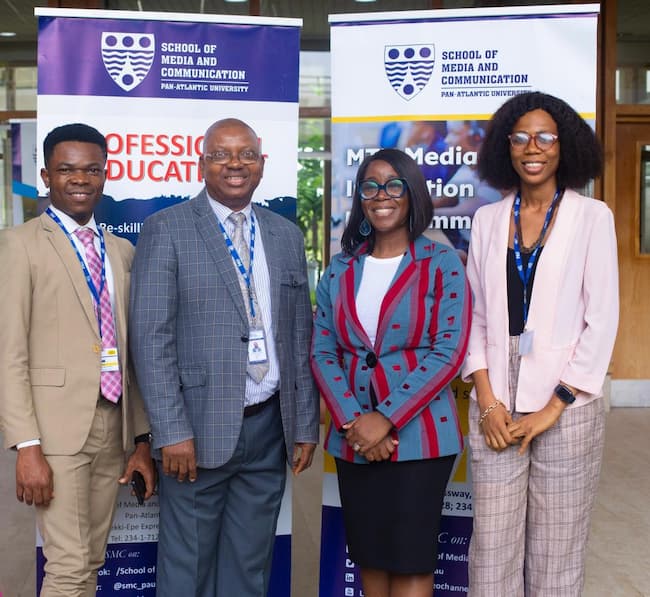
L-R: Frank Eleanya, Fellow, MTN Media Innovation Programme Cohort 2; Isaac Ogugua Ezechukwu, Director, Professional Education, Pan-Atlantic University; Odunayo Sanya, Executive Secretary, MTN Foundation and Anuoluwapo Odubanjo, Fellow, MTN Media Innovation Programme Cohort 2 at the MTN Foundation Executive Secretary’s Visit held at Pan-Atlantic University, Lekki-Epe Expressway, Lagos on August 22, 2023.
The Executive Secretary of MTN Foundation, Odunayo Sanya visited the MTN MIP Fellows on August 22, 2023, at Pan-Atlantic University, Lagos State.
During her visit, she gave an overview of the MTN Foundation and its commitment to leading the delivery of a bold new digital world.
MTN Nigeria, in collaboration with the School of Media and Communications at Pan-Atlantic University, Lagos, selected 20 Nigerian journalists including BizWatch Nigeria‘s editor, Oputah David for the Media Innovation Programme (MIP).
The 20 selected fellows were chosen from a pool of over 2,700 candidates.
The MTN MIP aims to expose fellows and equip media professionals with the knowledge they need to revolutionize their industry.
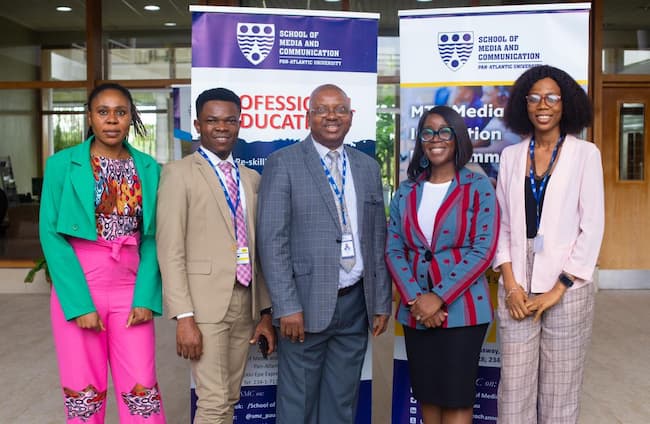
L-R: Frank Eleanya, Fellow, MTN Media Innovation Programme Cohort 2; Isaac Ogugua Ezechukwu, Director, Professional Education, Pan-Atlantic University; Odunayo Sanya, Executive Secretary, MTN Foundation and Anuoluwapo Odubanjo, Fellow, MTN Media Innovation Programme Cohort 2 at the MTN Foundation Executive Secretary’s Visit held at Pan-Atlantic University, Lekki-Epe Expressway, Lagos on August 22, 2023.L-R: Amaka Okoye, Vice President, MTN Media Innovation Programme Cohort 2; Frank Eleanya, Fellow, MTN Media Innovation Programme Cohort 2; Isaac Ogugua Ezechukwu, Director, Professional Education, Pan-Atlantic University; Odunayo Sanya, Executive Secretary, MTN Foundation and Anuoluwapo Odubanjo, Fellow, MTN Media Innovation Programme Cohort 2 at the MTN Foundation Executive Secretary’s Visit held at Pan-Atlantic University, Lekki-Epe Expressway, Lagos on August 22, 2023.
Undoubtedly, women’s empowerment has emerged as a potent catalyst, igniting positive change and reshaping the narrative surrounding women’s roles in society.
This transformative shift has revolutionised the lives and contributions of women, enabling them to unleash their full potential in fostering societal growth, nurturing thriving economies, and creating sustainable livelihoods.
According to a United Nations Women publication, although women’s economic empowerment boosts productivity and increases economic diversification, in addition to other positive development outcomes, globally, over 2.7 billion women are still legally restricted from having the same choice of jobs as men. The trajectory of female emancipation is a necessary revolution.
Stanbic IBTC Pension Managers recognises the potential for greatness possessed by every woman armed with the right tools and orientation, and as part of its long-standing commitment to women empowerment and development in Nigeria, the organisation put together the just concluded third edition of the Ladies At The Table Empowerment Series (LATTES 3.0) themed: “The Woman of the Future,”.
The event brought together a diverse group of influential keynote speakers, panellists, and workshop facilitators who shared their experiences, knowledge, and insights on various topics affecting women. From emerging trends in entrepreneurship to navigating corporate leadership, the attendees had the opportunity to learn from industry leaders who are championing change and making significant contributions to their respective fields.
One of the highlights of LATTES 3.0 was the dynamic panel discussions that focused on critical challenges faced by women in today’s world. These sessions addressed gender bias, work-life balance, personal development, and financial empowerment. The discussions provided a platform for engaging conversations and helped to create a supportive network among attendees, facilitating collaborations and mentorship opportunities.
The panel discussion at LATTES 3.0 featured distinguished speakers such as Dr Omolola Salako, founder of Sebeccly Cancer Care and Pearl Oncology Specialist Hospital; Tobi Ayeni, founder of MissTechy; and Solape Akinpelu, co-founder and CEO of HerVest. These accomplished women shared their knowledge, stories, and actionable tips for success as working women.
During the panel discussion, the speakers highlighted that empowering women directly impacts socio-economic progress. When women have access to education, employment, and economic resources, they can contribute to the growth and development of their communities.
The woman of the future understands the pivotal role of work-life balance in pursuing holistic well-being. She prioritises essential aspects such as self-care, family, and personal growth. Women can attain a more sustainable and fulfilling future by fostering a healthier work-life integration.
Speaking at the event, Olumide Oyetan, Chief Executive, Stanbic IBTC Pension Managers, described LATTES as a critical initiative that unveils a new dawn for women empowerment in Nigeria. He noted that the Nigerian woman holds multiple roles in her family, career, politics, and society. Being conscious of these roles enables women to cultivate a creative mindset and embrace diverse responsibilities that prepare them for the future.
Juliet Ehimuan, Director of Google West Africa, equally noted in her keynote address that the future belongs to women who dare to dream big and defy societal expectations. She admonished women to harness the power of technology to create the future they envision.
Juliet states, “Women must wholeheartedly embrace the many opportunities with the transformative potential to propel their personal and professional growth to new heights. By actively seeking these opportunities, women can expand their knowledge, broaden their skill sets, and cultivate the confidence necessary to navigate the ever-evolving landscape of life and work.”
In addition to the panel sessions, LATTES 3.0 featured interactive workshops that equipped women with practical skills and tools to enhance their personal and professional growth. The workshops covered various topics, including leadership development, financial management, negotiation strategies, and leveraging technology for career advancement.
These hands-on sessions empowered the attendees with actionable knowledge and enabled them to build confidence to seize new opportunities.
Furthermore, the event celebrated and recognised outstanding women who embody the spirit of resilience, determination, and excellence. The event included an award ceremony that honoured women who have made significant contributions to their industries and communities, serving as role models for aspiring leaders.
By spotlighting these women’s achievements, LATTES 3.0 inspired attendees to dream big and pursue their aspirations, knowing they have the support and encouragement of a vibrant community.
This event served as a catalyst for change, encouraging women to challenge societal norms, seize opportunities, and embrace their role in shaping a more inclusive and diverse future. Through engaging discussions, interactive workshops, and recognition of outstanding accomplishments, LATTES 3.0 created an empowering environment that will continue to inspire participants long after the event concludes.
Chairman of AW Networks and author of African Power Girls, Adebola Wiliams recently hosted Assistant Secretary General of the United Nations, Ahunna Eziakonwa; Lagos Commissioner Designate, Solape Hammond; President of Transcorp PLC., Owen Omogiafo; beauty entrepreneur and lawyer, Tara Fela-Durotoye, and other notable personalities to an African Power Girls event tagged ‘Power Table for Twelve Power Brunch’.
The event was organised to bring together women of influence with a view to discussing and charting a course for the advancement of women in all sectors and promoting investment in girls empowerment and education.
Ahunna Eziakonwa, who was special guest at the exclusive brunch, spoke about the importance of women in politics, and why representation matters from boardroom to the parliament.
She presented data evidence on how women inclusion at the highest levels of engagement accelerates growth in nations, and encouraged everyone to do all they can to commit to empowering girls and women within their spheres of influence.
According to Adebola Williams: “The media has a massive role to play in changing societal stereotypes and narratives, and to show young girls that they are capable and free to be the best version of themselves.
“Women in key leadership positions must be projected by the media as the norm so that young girls in Africa and the world can see role models that not only look like them but also know and understand the challenges that they go through daily,” he added.
On her part, Solape Hammond raised the key issue of collaboration for accelerated development: “My raison d’être for going into public service was collaboration,” she said.
“I had been in the private sector all my life until the last three and half years. It’s really about, ‘How do we bring everybody to the table?’ ‘How do we get big companies to come together to create something truly different?’”
Tara Fela-Durotoye spoke about the family unit, and the values the society must instill in our wards so that they can grow up to be responsible citizens, whilst Ngozi Edozien, Managing Partner at Invivo, reflected on her journey sitting on boards of the world’s largest company and the stark difference with corporate Nigeria as regards creating room for women.
Other notable personalities at the brunch event are Co-founder and Partner at AACE Foods, Ndidi Nwuneli; actress and advocate, Kate Henshaw; CNN Digital Chief for Africa, Stephanie Busari; Executive Director of African Philanthropy Forum, Mosun Layode; Director at Promasidor Debola Williams; Director of Sustainability, Nigerian Bottling Company, Soromidayo George; Head Corporate Social Responsibility at Airtel, Chioma Okolie; and CEO of Roots2Market and Aspen Fellow, Nwando Ajene.
Stanbic IBTC Bank (“the Bank”) has recently become aware of certain misinformation circulating with respect to its loans to Directors in 2022.
As a socially responsible corporate organisation, Stanbic IBTC Bank is aware of the significance of maintaining transparency and integrity in all its processes. It is therefore necessary to address these allegations promptly and directly.
It is important to clarify that the Bank’s lending policies are uniform according to the categories of loan applications received. All loans, regardless of who the recipients may be, undergo a thorough and rigorous review process.
This process ensures that every loan is made on a justifiable basis and in accordance with the Bank’s stringent lending policies; and these policies are in place not only in adherence to legal requirements, but also to uphold our commitment to fairness and integrity.
The Bank’s board members are not exempt from these procedures or the Bank’s internal credit and risk policies as the loans were approved by the appropriate credit committees and were made on commercial terms.
Stanbic IBTC Bank remains committed to conducting its business in a responsible and ethical manner. The Bank will continue to adhere to all applicable laws and regulations, and will maintain the highest standards of Corporate Governance.
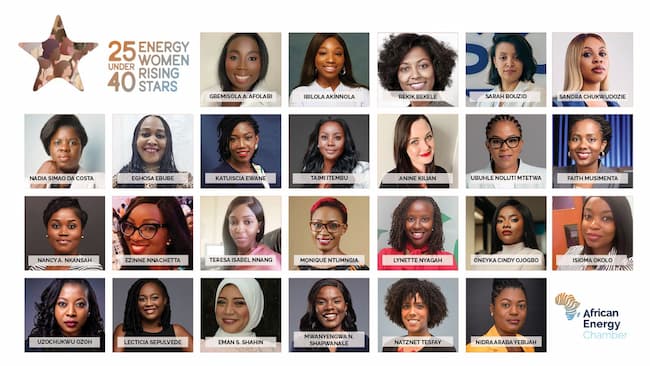
The 25 Under 40 Energy Women Rising Stars is a list dedicated to celebrating the women who are redefining the possibilities in Africa’s diverse energy sector.
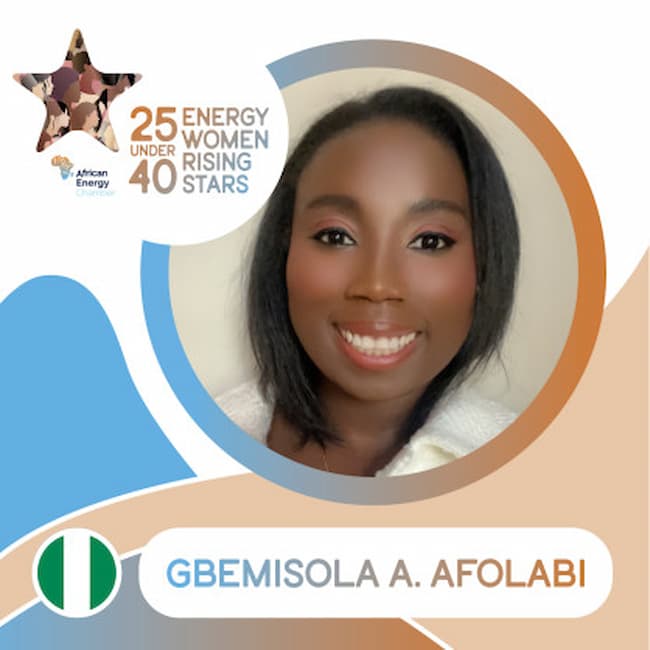
Featured on the list for 2023 is Gbemisola Adeyemi Afolabi, Junior Geoscientist at AMNI International, and an individual who has emerged as a trailblazer in her industry.
The African Energy Chamber spoke with Afolabi about her work in the energy sector and vision for the future.
Please share a brief overview of your journey in the energy industry that led to your current role? What are some key achievements or milestones that you are particularly proud of?
I am currently a geologist at AMNI Petroleum Resources International. I started my journey in the Geosciences in 2015 when I realized that I want to be able to bring electricity to remote parts of Africa. In order to do that I needed to understand how the Earth works and the processes that lead to creating petroleum resources.
After receiving my Bachelor of Science in Geology from Texas Tech University, I started working at AMNI. This year, I will be receiving my Master of Science in Energy Data Management from Rice University.
The energy industry is known for its complexities. What were some significant challenges you faced along the way, and how did you navigate through them to achieve your goals?
I would say that I am still navigating challenges in the energy industry. The job is never done, but I’ve learned that as long as I am always willing to learn innovative solutions the problem can always be solved.
What advice would you give to young females aspiring to excel in the energy sector? Are there any specific strategies or mindsets that helped you overcome obstacles and reach your current position?
I would tell young females to keep their head down and just keep going. Challenges will come, people will doubt that you can do it, but as long as you want to accomplish your goals, you can.
I would also say that having a female mentor that you look up to is a big part in understanding the industry and learning how to navigate the everyday life of the energy sector. If you want to pursue a higher degree than your bachelor’s, find a company that is willing to support you through that while working. Most importantly, remember that through God, all things are possible.
A career in energy can be demanding. Could you describe a typical day in your life?
Since I am currently working and attending school for my master’s, my day is fairly busy. I go to work from 8 am to 5 pm Monday, Wednesday and Friday, after sitting in traffic for an hour, and then I attend school in between or in the evenings. While I am at work, I attend meetings and work on subsurface projects. I typically get home around 9 PM and proceed to study or finish up my assignments.
Looking ahead, what changes or advancements do you hope to see in the energy sector, and how do you envision your role in shaping that future?
I hope that the energy sector becomes more digital. I believe that projects can be done much faster and more efficiently. Data can be transferred from one program to another.
Using AI to determine when equipment will go bad, or to track a well’s performance can help reduce errors and keep platform workers safer. I hope to be able to create a software that streamlines the different areas of the energy sector, bringing engineers and geologists under the same platform without the worry of whether data can be transferred from one program to another.
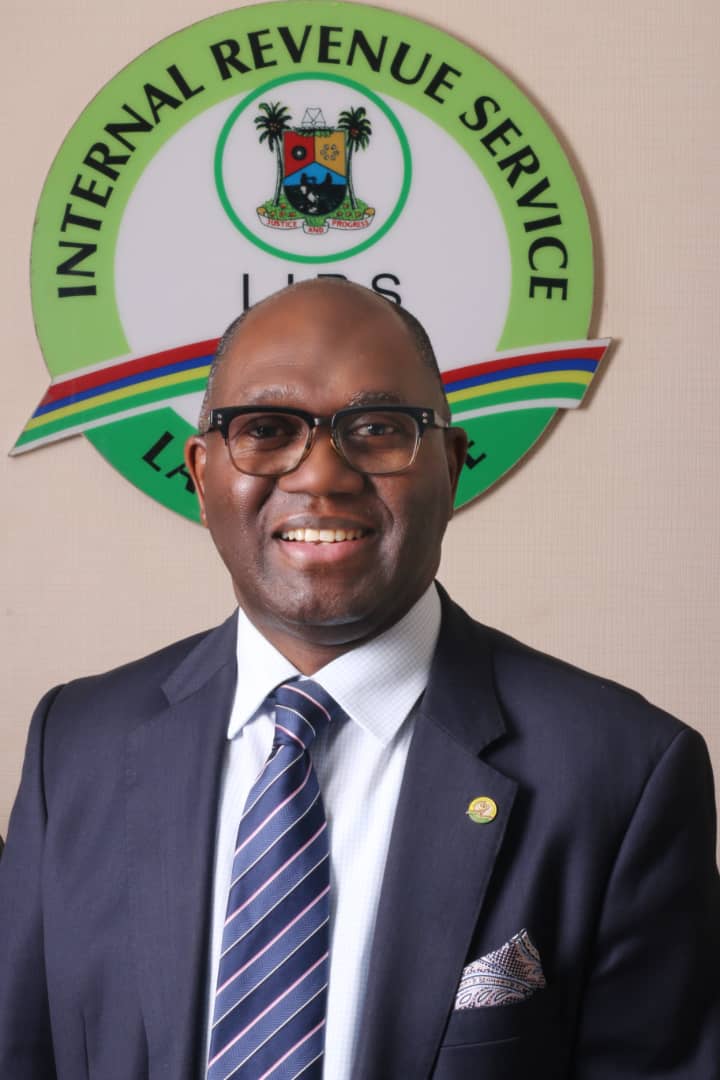
The Lagos State Internal Revenue Service, LIRS, has reaffirmed its renewed efforts in leveraging cutting-edge technology and effective advocacy to significantly enhance the state’s revenue generation.
The Executive Chairman, LIRS, Mr Ayodele Subair, made this known while speaking in an interview on The Tax Talk, a newly launched 30-minute public enlightenment television programme on taxation, monitored on Channels Television recently.
The Tax Talk, an LIRS production, is broadcast every week on TVC, Channels, LTV and WAP TV.
While speaking on the programme, Subair noted that the use of technology has helped the agency in optimizing its operations while also enhancing revenue generation for the state.
He lauded President Bola Ahmed Tinubu for introducing the use of technology in the generation of the state revenue during his tenure as the state governor.
According to him, past governors such as Babatunde Fashola, Akinwunmi Ambode, and the current governor Babajide Sanwo-Olu also made efforts in upholding the autonomy of LIRS, which has led to a notable level of effectiveness.
Subair noted, “One of the first things we did was to look at the market, the taxpayers and then we did some element of market segmentation, recognizing that there are some players in the market who work in an unstructured environment, some work in a structured environment, formal and informal. We looked at the situation where we have high net worth individuals, and then we set up shop to make sure that we plan to cater for the different needs of the different segments of taxpayers. So having done that, we looked at our processes, did a lot of process reengineering, and looked at removing all the things that would make our jobs longer or more difficult. We also looked at the staffing arrangements, we looked at human resources and designed a whole set of training programs to ensure that everybody is up to the task.”
Speaking further, he said; “We looked at the applications that we had in place in terms of the software. How efficient were they? How easy was it for members of the public to access and also to understand? So, we came up with the e-tax application, which is an end-to-end tax administrative solution. It runs through the whole process, right from registration to raising of assessments, up to the filing of tax returns, making payments through the various payment channels, the ability to print out the receipts, and of course, at the end of the day, generate tax clearance certificates. So, with that in place, it’s gone a long way.
According to him, “If we did not introduce technology, no, doubt, we’re going to have very, very limited success. We have our e-tax and we also have our IBILE hub software to take care of the informal sector. One of the key features of the IBILE hub software is that it allows instalment payments from members of the sector.
“With the e-tax solution, people no longer have to troop and come to LIRS offices. From the comfort of their homes, they can carry out all their tax business, all the things that had issues in the past, that had problems, that created tension between the public and members of the organization, all these have been taken out completely. And there’s the ease of doing business. So, with this, move in that direction, we expect to move the revenue upwards continually. We’re quite confident that we will get there.
“We’re exploring constantly and bringing initiatives on how we can leverage fully on technology. We intend to set up some research unit that will delve more into technology to see how it can be relevant to our operations and of course, to the benefit of taxpayers. We’re constantly looking at how we can make tax experience very easy for members of the public.”
The LIRS chairman said the use of advocacy has also played a big role in its tax administration, as the agency makes it a priority to always engage taxpayers and stakeholders.
“The key thing in tax administration is for you to be positive all the time. You should never have a cannot do spirit. So, we were quite optimistic. All we have to do is continue to improve on advocacy and remind residents of Lagos that there’s a social contract. They expect so many things from the government, the government also expects them to carry out their civic duties. So, we expect that members of the public who come and file, not just file their return, they file honestly and pay the appropriate taxes when the tax is due. One thing that drives this is there’s a certain level of mistrust between the people and the government.
“Part of our duty is to try and bridge that gap and remove all the elements of distrust from members of the public because where members of the public start to trust the government in place, that is what is helping Lagos to drive revenue. People come to Lagos; they can see the level of development; they can see the level of growth in the system. You can also see that members of the public get highly qualitative, social utilities to use and social services like schools, hospitals, and all the expectations. So, we might not exactly be where we want to be. But we are certainly moving in that direction. And if you compare Lagos state with all the other states in Nigeria, the difference is very clear. So, we’re very optimistic that we will continue to push continue to improve on advocacy,” he submitted.
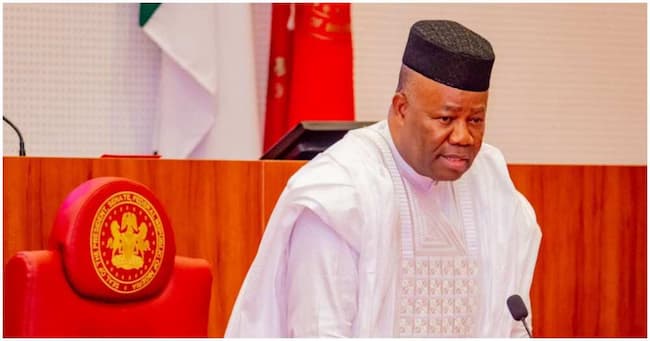
Senator Godswill Akpabio, President of the Senate, said that the 10th National Assembly (NASS) is committed to promoting gender equity.
He made the remarks on Wednesday at the International Conference on Women in Governance, which was hosted by the National Institute for Legislative and Democratic Studies (NILDS) in Abuja.
The Senate President cited gender prejudices and biases, as well as a lack of modeling, as some of the causes limiting women’s participation in governance. He went on to say that he wanted to see more women in government, but that it was simpler to promote more women to appointive roles than to elective positions.
He made the remarks on Wednesday at the International Conference on Women in Governance hosted by the National Institute for Legislative and Democratic Studies (NILDS) in Abuja.
The Senate President cited gender prejudices and biases, as well as a lack of modeling, as some of the issues contributing to women’s poor participation in governance.
He also claimed that he wanted to see more women in government, but that it was simpler to promote more women in appointive roles than in elective positions.
Akpabio stated that women should participate more in gender equity campaigns and entrusted the Director General of NILDS and other key players with developing women-friendly policies to drive gender equity in governance.
During the conference in Abuja, the NILDS DG, Abubakar Sulaiman, stated that women’s representation in governance had not topped 10% since 1999, and expressed dissatisfaction with the dropping trend.
He also expressed concern about the number of women in the national legislature, claiming that only 3% are in the Senate and 4% are in the House of Representatives.
Sulaiman, on the other hand, is committed to developing Nigeria’s democratic culture and implementing gender-sensitive laws.
In her speech, Nkeiruka Onyejeocha, Minister of State for Labour and Employment, challenged the National Assembly leadership with setting the tone for gender equality legislation.
She requested that the affirmative action and gender quota proposals that were defeated in the Ninth National Assembly be reconsidered and considered for passage.
Among those present were Deputy Senate President Barau Jubrin, the wife of former Ekiti State Governor Bisi Fayemi, and female lawmakers from Uganda, Kenya, and South Africa, among others.
Yes! You heard it here. Pinkberry is making a sweet comeback, bringing back the beloved tradition of adding two toppings to every cup of froyo. It’s a celebration of flavor, a nod to the past, and an embrace of the future, all in one delicious swirl.
Get ready to experience the ultimate indulgence as Pinkberry reintroduces the mouthwatering “Twice the taste, Double the Fun” offer, where customers can enjoy not one, but two complementary toppings on every cup of froyo you buy.
Pinkberry has within a few years of its launch in Nigeria maintained its leading position as a favorite among dessert lovers. However, the offer was changed a couple of years ago, leaving many fans anticipating a comeback. No need to wait further, Pinkberry is back to its original offer that is, every cup of froyo now comes with not just one, but two tantalizing toppings! And we couldn’t be more excited!
This offer is perfect for those who love to experiment with different flavors and toppings. With a wide range of toppings to choose from, including fresh fruit, candy, and nuts, the possibilities are endless. You can mix and match your favorite toppings to create a unique and delicious treat every time you visit Pinkberry. Whether you’re a fruit fanatic, a chocolate lover, or a sprinkles enthusiast, this offer guarantees an explosion of flavors that will surely satisfy any craving sweet tooth, indulge in the rich, creamy goodness of Pinkberry’s classic flavors like Original to yummy Strawberry or tangy kiwi. Then take your creation to new heights by choosing two of their amazing toppings from a wide array of choices.
So, what are you waiting for? Head to the nearest Pinkberry location and treat yourself to a frozen yogurt experience like never before. With “Twice the Taste, Double the Fun”, you can enjoy the ultimate indulgence and satisfy your sweet tooth. Hurry! Grab your cup, pile on the toppings, and get ready to savor the incredible flavors of Pink Berry’s frozen yogurt. With “Double the Fun”, you’re in for a tasty sensation that will create a long-lasting infatuation that will have you coming back for more, time and time again!
According to the Federation Account Allocation Committee, the three levels of government split N966.11 billion in July 2023The amount is . the largest this year and reflects a small increase of N59.06 billion over the N907.05 billion given for June 2023.
According to a statement by Bawa Mowa, Director, Press and Public Relations, Office of the Accountant General of the Federation, FAAC made this disclosure in a communiqué released at the conclusion of its most recent meeting on Tuesday in Abuja.
Wale Edun, the newly appointed Coordinating Minister of the Economy and Minister of Finance, served as the meeting’s moderator. According to the Federation Account Allocation Committee, the three levels of government split N966.11 billion in July 2023. The amount is the largest this year and reflects a small increase of N59.06 billion over the N907.05 billion given for June 2023.
According to a statement by Bawa Mowa, Director, Press and Public Relations, Office of the Accountant General of the Federation, FAAC made this disclosure in a communiqué released at the conclusion of its most recent meeting on Tuesday in Abuja.
Wale Edun, the newly appointed Coordinating Minister of the Economy and Minister of Finance, served as the meeting’s moderator.reviously, it was chaired by the Accountant General of the Federation, Dr Oluwatoyin Madein.
The total amount includes gross statutory revenue, Value Added Tax, and electronic money transfer levies and exchange rate difference revenue.
The communiqué read in part, “The N966.11bn total distributable revenue comprised distributable statutory revenue of N397.42bn, distributable Value Added Tax revenue of N271.95bn, Electronic Money Transfer Levy revenue of N12.84bn and Exchange Difference revenue of N283.904bn.
“A breakdown of how much each level of government got showed that, “from the total distributable revenue of N966.11bn; the Federal Government received N374.49bn, the state governments received N310.67bn and the Local Government Councils received N229.41bn. A total sum of N51.55bn was shared to the relevant States as 13 per cent derivation revenue.”
The communique further disclosed that gross statutory revenue of N1,150.42bn was received for the month of July 2023, which was lower than the sum of N1,152.92bn received in the month of June 2023 by N2.5bn.
It was also disclosed that from the N397.42bn distributable statutory revenue, the Federal Government got N190.49bn, the State Governments got N96.62bn and the Local Government Councils got N74.49bn, while N35.822 billion was shared to the relevant States as 13 per cent derivation revenue.
Also, the gross revenue available from VAT was N298.79bn, which was higher than the N293.41bn available in the month of June 2023 by N5.38bn.
From the VAT revenue, the Federal Government got N40.79bn, the State Governments got N135.97bn and the Local Government Councils received N95.18bn.
Also, from the N12.84bn Electronic Money Transfer Levy, the Federal Government got N1.93bn, the State Governments got N6.42bn and the Local Government Councils received N4.49bn.
Lastly, from the N283.9bn Exchange Difference revenue, the Federal Government got N141.28bn, the State Governments received N71.66bn, the Local Government Councils received N55.25bn and N15.72bn was shared to the relevant States as 13 per cent mineral revenue.
The communiqué further disclosed that Import and Excise Duties and Electronic Money Transfer Levy increased considerably while Value Added Tax increased marginally.
However, Petroleum Profit Tax, Companies Income Tax and Oil and Gas Royalties recorded significant decreases.
It was also disclosed that N62.42bn was deducted as cost of collection, while N717.96bn was deducted for savings, transfers, refunds and tax credit cancellation.
The balance in the Excess Crude Account was maintained at $473,754.57.
In a separate statement by the Director, Press and Public Relations of the Ministry of Finance, Stephen Kilebi, it was disclosed that Edun noted that there was the need for government to mobilise resources to deliver on its mandate to increase employment and reduce poverty.
The statement added, “Mr Edun advised that there should be discipline in money supply to control inflation in the nation.
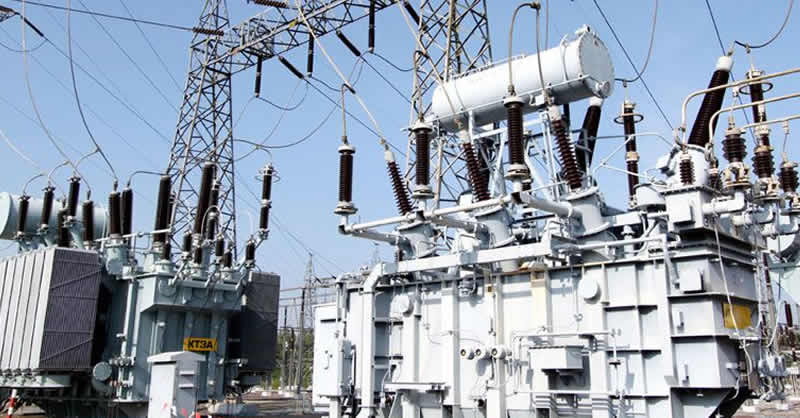
The Nigerian power crisis has gotten worse as a result of the lack of gas supply to electrical producing businesses. The nation needs about 30,000 megawatts to produce enough power, but so far it has only been able to produce 5,000 megawatts, falling short of the goal set by the Federal Government last year.
The Nigerian energy Regulatory Commission said last year that the nation’s power industry will strive to produce a minimum of 5,000 megawatts of energy starting on July 1, 2022. This, however, falls well short of what the nation requires. The nation needs 30,000 megawatts of energy generation, according to the Association of Nigerian energy Distributors, which represents Electricity Distribution Companies.
Three years ago, Nigeria produced 5,000MW of energy for the final time. Despite a present generation capacity of 7,000 MW, the power industry is underperforming due to several issues.
According to the NERC’s most recent report for the first quarter of the year, the lack of feedstock, particularly gas, has continued to be a major issue restricting the generation of energy on the grid. According to the research, 17 power plants’ ability to produce energy decreased over the first three months.
Nigeria formerly took great pleasure in its ability to generate 5,000 megawatts of power. However, according to the Systems Operator’s most recent statistics, the nation’s current level of power production is around 4,000MW. On August 6, the 29 power plants in the nation produced 3,803.60 MW.
According to NERC’s 2023/Q1 report, Rivers IPP with a capacity of 180MW, and Afam VI with 624MW reported gas shortage-induced outages. Similarly, 600MW Shiroro reported outages due to water management to maintain its reservoir through the dry season.
Insufficient gas supply has consistently been reported as one of the major challenges bedevilling the power sector. 20 gas power plants underperformed, leading to power generation dropping below 2000MW. The affected plants were Omotosho units 5 & 6, Olorunsogo units 3, 4 & 6, Omoku Units 3 & 6, Omotosho NIPP units 3 & 4, Delta units 15, 17, and 18, Afam VI units 11 & 12, Olorunsogo NIPP unit 3, Ihovbor NIPP unit 2, Sapele Steam unit 3, Sapele NIPP unit 1, Odukpani NIPP units 1 & 3, and Okpai units 11, 12 & 18.
In 2023/Q1, the average hourly generation on the grid was 4,334.41MWh/h, which indicated an increase of 92.05MWh/h (2.16 per cent) compared to 4,242.36MWh/h in 2022/Q4. Only three plants recorded increases in their average hourly generation over the two quarters – Afam VI (+142.12 per cent), Egbin ST (+50.63 per cent), and Odukpani (+19.19 per cent). The overall increase in average hourly generation within the quarter was due to an increase in the available capacity of Egbin, Afam VI, Geregu and Sapele power plants.
The biggest improvement recorded in Egbin’s hourly output was virtually proportional to the improvement in its availability. This is to be expected because Egbin plays a critical role in meeting demand in the Lagos region, which regularly accounts for 25–30 per cent of national consumption.
Conversely, Delta GS (-15.23 per cent), Azura (-3.24 per cent), Jebba (-3.49 per cent) and Kainji (-2.52 per cent), had reduced hourly generation in 2023/Q1 compared to 2022/Q4. Cumulatively, the average hourly generation of the remaining 19 power plants decreased by 15.35 per cent in 2023/Q1 compared to 2022/Q4.
Another challenge that continues to limit output on the grid is the prevalence of unscheduled corrective outages. Alaoji NIPP lost one of its units (GT2) throughout the quarter due to emergency repair works on the unit following a fire outbreak, according to the report.
The total electricity generated in 2023/Q1 was 9,350.24GWh, indicating a decrease of 15.41GWh (-0.16 per cent) from the 9,365.65GWh generated in 2022/Q4.
According to NERC, 10 power plants reported increased generation in 2023/Q1. On the flip, 17 plants recorded a decrease in generation during this period.
The average load factor for all grid-connected power plants was 86.39 per cent in 2023/Q1, meaning that 13.61 per cent of available capacity was unutilised during the period. The 86.39 per cent load factor recorded in 2023/Q1 represented a decrease of 9.04 per cent from the 95.43 per cent average load factor recorded in 2022/Q4.
The load factor is a measure of the utilisation of a power plant’s capacity, calculated as the ratio of the average electricity generated to the maximum possible generation over the period, based on the available capacity. A higher load factor results in better capacity utilisation, reducing the cost per unit of energy and increasing profitability, as fixed costs are spread over a larger amount of dispatched energy. The load factor reflects both demand for energy and a plant’s ability to supply it.
The NERC report disclosed that 18 power plants recorded dispatch rates of at least 90 per cent in 2023/Q1. Omoku (100 per cent), Trans Amadi (100 per cent), Ihovbor NIPP (100 per cent) and Afam VI (100 per cent) were the four plants that had the highest utilisation rates.
All the hydro plants except Shiroro, continued to experience a high dispatch rate (> 90 per cent) in line with the commission’s order. NERC had in a circular, NERC/182/2019, mandated that all hydro plants should be dispatched with priority to reduce wholesale energy costs for consumers.
There are also environmental considerations for the prioritisation of the hydro plants as they have a major impact on water flows further downstream. The reason Shiroro had a dispatch rate below 90 per cent was due to water management initiatives being implemented by the System Operator to guarantee the plant could run through Q2 ahead of the rainy season.
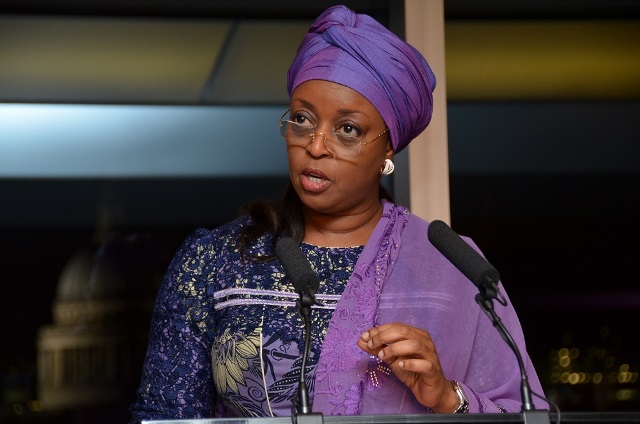
Diezani Alison-Madueke, a former minister of petroleum, has been accused of bribery by the British police. On Tuesday, the UK police claimed they believed she had taken bribes in exchange for awarding multi-million dollar oil and gas contracts.
The 63-year-old former minister worked from 2010 to 2015 under former President Goodluck Jonathan. The Organization of Petroleum Exporting Countries (OPEC) was led by her.
The National Crime Agency’s (NCA) International Corruption Unit Head, Andy Kelly, commented on the allegations, saying, “We assume Diezani Alison-Madueke misused her authority in Nigeria and took cash bribes for granting multimillion-pound contracts.
“These charges are a milestone in what has been a thorough and complex international investigation.”
The NCA said Alison-Madueke was accused of benefitting from at least £100,000 in cash, chauffeur-driven cars, flights on private jets, luxury holidays for her family, and the use of multiple London properties.
Charges against her also detail financial rewards including furniture, renovation work, and staff for the properties, payment of private school fees, and gifts from high-end designer shops such as Cartier jewellery and Louis Vuitton goods.
In line with its commitment to enabling success for its customers, Union Bank has partnered with its parent company, TGI Group and Women’s World Banking, to introduce the ‘Digital Supplier Credit’ solution under its women’s banking proposition, αlpher.
The ‘Digital Supplier Credit’ solution is designed to address the financial needs of women-led small businesses in urban centres in Nigeria centres and provide access to credit for stock sustenance, replenishment, and progressive growth, along established supply lines from Fast-Moving Consumer Goods (FMCG) companies. Leveraging behavioural science and the Women’s Centred Design methodology and backed by the London Stock Exchange Group (LSEG) Foundation, this initiative aims to co-create a sustainable and scalable solution that will significantly enhance access to financial services for women entrepreneurs.
Women’s World Banking is a renowned global organisation specialising in designing and investing in financial solutions, institutions, and policy environments within emerging markets. Their focus on creating economic stability and prosperity for women, their families, and communities aligns perfectly with the objectives of the ‘Digital Supplier Credit’ solution. With an extensive network spanning 34 countries, serving more than 160 million women clients through 69 financial services providers, Women’s World Banking has consistently driven impact through scalable, market-driven solutions, gender lens private equity funds, and leadership and diversity programs.
Speaking about the partnership, Vivian Imoh-Ita, Head of Retail Banking and Digital at Union Bank, said:
“We are delighted to partner with Women’s World Banking and our parent company TGI Group to launch the ‘Digital Supplier Credit’ solution. Our commitment to empowering women-led businesses remains unwavering, and we believe this initiative will have a transformative impact on the entrepreneurial landscape in urban centres. Through this collaboration, we aim to foster financial inclusion and catalyse sustainable growth for women entrepreneurs.”
Also commenting on the partnership, Ade Ashaye, Regional Head of Africa, Women’s World Banking, expressed:
We are thrilled to partner with Union Bank and the TGI Group. Globally, 38% of all MSMEs are women-owned, yet, according to the SME Finance Forum, there remains a $1.7 trillion gender credit gap. Using our sophisticated market and consumer research we will develop a solution that will not only help tens of thousands of Nigeria’s women entrepreneurs overcome barriers to accessing the vital credit they need to sustain and grow their businesses, but also stand as a model for Banks and FMCGs across Africa and the world. This is an exciting time in the development of effective, women-centered, digital financial solutions.
The Digital Supplier Credit solution reflects Union Bank’s dedication to supporting its customers and creating an inclusive business environment. With its focus set on the future, Union Bank continues to lead the way in shaping a better, more sustainable future for generations to come.
The selling rallies ahead of the Central Bank of Nigeria’s (CBN) midweek auction to refinance maturing bills worth more than N303 billion were reversed as the average yield on Nigerian Treasury Bills (NTB) jerked downward.
On Monday, when local deposit money banks rekindled their interest in the CBN’s standing lending facility to maintain their financing profile, rising liquidity concerns precipitated selloffs. Analysts claim that the majority of the selloffs occurred at the long and belly ends of the curve amid expectations that spot rates on bills refinancing would decrease.
However, given that bondholders were uninterested in the Debt Management Office main market auction sales, a change in liquidity levels is anticipated to push spot rates higher at the auction. If not for the apex bank, the demand level might be repeated.
The money market experienced an uptick in Nigerian Interbank Offered (NIBOR) rates on Tuesday across all tenor ranges, according to a report from Cowry Asset Management.
According to Cordros Capital, participants demanded the 65-day bill, which lost 293bps, while the average yield fell at the short end of the curve (-73bps).
The selloff of the 338 day to maturity (+79bps) bill led to an increase in yield at the long end (+6bps). On the other hand, the mid-segment’s average yield remained unchanged. The OMO segment’s average yield remained constant at 11.2% in other areas.
The investment company said that the three-month NIBOR rate rose by 19 basis points to 13.50%. Important money market rates, such as the open repo rate and the overnight lending rate, ticked upwards as pressures mounted on liquidity.
The repo rate surged 130 basis points to 23.80%. Also, the overnight lending rate rose to 140 basis points 24.70%. Ahead of CBN auction sales on Wednesday, the average secondary market yield on Treasury bills moderated to 8.28%.
The African Energy Chamber (AEC) is pleased to announce the “25 Under 40 Energy Women Rising Stars” – women whose devotion, resourcefulness, and steadfast commitment serve as beacons of hope and pillars of inspiration.
These women are expanding the possibilities in a typically male-dominated industry, and the AEC gladly recognizes the emerging stars who are paving the road for energy poverty to be eradicated by 2030.
The African energy sector is a driver for global growth, and a limited number of extraordinary women have emerged as trailblazers in this dynamic business that fuels the modern world.
Africa’s 25 Under 40 Energy Women
Gbemisola Adeyemi Afolabi, Junior Geoscientist, AMNI International
Adeyemi Afolabi, a budding Junior Geoscientist at AMNI International, is an emerging force in the energy sector. With a Masters’ Degree in Energy Geosciences from Rice University, she brings a fresh perspective to her role.
Adeyemi’s educational background, combined with her passion for geoscience, underscores her dedication to exploring and understanding the Earth’s resources. Afolabi’s commitment to harnessing scientific knowledge for practical energy solutions sets her apart as a promising talent within AMNI International.
Ibilola Akinnola, LNG Shipbroker, Maersk
Ibilola Akinnola has a wealth of experience across the legal and logistics fields, and represents an individual whose creativity, commitment and drive has advanced the global energy industry.
A qualified Solicitor and Barrister of the Supreme Court of Nigeria, Akinnola went on to complete her Masters’ degree in International Shipping Law at Queen Mary University of London. Now, she works at integrated logistics company Maersk as the LNG Shipbroker, and continues to make a lasting impact in the industry.
Rekik Bekele, CEO and Founder, Green Scene Energy
Rekik Bekele is a seasoned professional with over 10 years of experience in renewable energy. With a BSc in Electrical Engineering, she leads Green Scene Energy PLC as its CEO, providing affordable solar solutions in Ethiopia.
Bekele also serves as a board member at Ethiopian Solar Energy Development Association, an Acumen fellow, and founder of PurposeBlack ETH and Run Africa. Her diverse initiatives drive positive change in energy and social development.
Sarah Bouzid, Technical Sales Lead: Production Systems Division, Schlumberger
Sarah Bouzid is a Chemical Engineer and Technical Sales Lead for Schlumberger’s Production Systems Division – representing the only woman in this role in MENA region. Her expertise lies in the Audit to Optimize program, where she engages with clients to enhance process equipment performance.
After completing an engineering degree from Bourmerdes University, she worked in various roles at Sonatrach. Navigating the largely male-dominated sector, Bouzid serves as a beacon of hope for women in science and engineering.
Sandra Chukwudozie, CEO, Salpha Energy
Sandra Chukwudozie is the Founder & CEO of Salpha Energy, a company dedicated to providing clean, affordable and innovative energy solutions for a carbon-neutral future. She is also Executive Director of Dozzy, one of Africa’s largest petroleum storage facilities.
After completing her studies at the University of Dundee in 2015, Chukwudozie dedicated her professional life to supporting economic growth through energy development, gaining experience in international management, industrial relations and economics. Her innovation, resilience and ability to embrace change has made her a leader in her field and an inspiration to many across the industry.
Nadia Simao da Costa, HR People Analytics Supervisor, Chevron
Nadia Simao da Costa is the People Analytics Supervisor at Chevron and represents the youngest person to be selected for Human Resource leadership at the company in Angola.
Leveraging analytics and evidence to develop strategies to manage the current and future workforce needs, Simao da Costa is a strong advocate for inclusivity and human capital development. As the African energy sector grows and more people enter the workforce, professionals such as Simao da Costa serve as valuable role models.
Eghosa Ebube, Portfolio Analyst, Chevron Nigeria
Eghosa Ebube, initially Project Engineer and now Portfolio Analyst at global energy powerhouse Chevron, brings a wealth of expertise to the table.
Having honed her skills in various roles including Onshore Construction Engineer, she has emerged as a force to be reckoned with in the energy sector. Her adeptness in engineering and her dedication to innovation shine through in her work, making her a pivotal contributor to Chevron’s and Nigeria’s energy success.
Katuiscia Laurence Ewane, General Field Engineer, SLB
With a Masters in Industrial Engineering from Ecole Nationale Supérieure Polytechnique, Katuiscia Laurence Ewane has spent several years working for global energy services company SLB.
She currently serves as a General Field Engineer for the company and has pioneered several successful initiatives, including a new approach for the integration of Drilling Fluids and Cementing Fluids; completing a complex cementing operation on Mt Cameroon; and spearheading community outreach under the SLB Excellence in Educational Development program. Ewane is a testament to the important role female engineers play in Africa.
Taimi Itembu, Public and Government Affairs, ExxonMobil
A Harvard Kennedy School graduate with over 14 years’ experience in leadership, energy and policy, Taimi Itembu represents an inspirational leader in Namibia’s energy sector. She has served in various roles in the Namibian Government, showcasing her aptitude for policy dialogue and partnership building to drive transformation across the region. Her leadership in energy and exploration includes advocating for Africa strategy, investment protection, and a favorable operational environment, and as an industry expert, she represents a beacon of impactful leadership.
Anine Kilian: Managing Editor, Energy Capital & Power
Anine Kilian is a strong advocate for Africa’s energy development. Currently serving as the Managing Editor for Africa-focused investment platform Energy Capital & Power, Kilian’s journey began as a dedicated journalist and editor after studying at the Tshwane University of Technology in South Africa.
Her career has taken her worldwide, and her expertise led her to become a pivotal writer at Creamer Media before joining Energy Capital & Power in 2018. Recognizing her talent and passion, Kilian was swiftly promoted to Managing Editor in 2021.
Her journey epitomizes resilience, growth and a commitment to driving Africa’s energy narrative at a time when the continent needs it most. Kilian represents a standout figure in the landscape of energy journalism and advocacy.
Ubuhle Noluti Mtetwa, National Manager, Secondary Logistics, bp Southern Africa
Armed with a degree in Transport Economics and Logistics Management, Ubuhle Noluti Mtetwa spearheads innovative projects in a traditionally male-dominated industry. In a relatively short period of time, Mtetwa climbed the ranks at bp from Logistics Intern to National Manager of Secondary Distribution.
Now, she supports diversity efforts, using her platform to not only advance logistics in Africa’s energy industry but support the progression of others.
Faith Musimenta, Senior Petroleum Economic and Financial Analyst, Petroleum Authority of Uganda
Faith Musimenta is currently the Senior Petroleum Economic and Financial Analyst at the Petroleum Authority of Uganda (PAU), where she leverages her skills in investment analysis to develop oil and gas financial models for billion-dollar projects.
After competing her studies at the University of Dundee, Musimenta worked for various financial institutions including Citi Bank, Diamond Trust Bank and DFCU Bank. She represents an inspiration for women across the African financial sector, and continues to advocate for both inclusivity, sustainability and development of Uganda’s oil and gas industry.
Nancy Asantewah Nkansah, Resource Manager: Planning and Supply Chain for West Africa, SLB
Nancy Asantewah Nkansah, a Resource Coordinator at SLB with 8+ years’ experience, excels in planning chemical requirements and workforce coordination for efficient operations.
With a BA in Political Science and a Geography minor, she spearheads resource management, enhances supply chain efficiency and facilitates environmentally responsible practices. From groundbreaking innovations to resilient problem-solving, Nkansah is redefining the energy industry in Africa.
Ezinne Nnachetta, Development Geologist, Chevron
Following the completion of her MSc in Petroleum Geoscience at Imperial College London, Ezinne Nnachetta has gained significant experience as a leading geoscientist for global energy major Chevron.
Her 10-year commitment to the company demonstrates her dedication to opening up new hydrocarbon basins, integrating innovation with petroleum and forging new paths for women in energy. Nnachetta represents a role model for aspiring women in the field.
Teresa Isabel Nnang Avomo, CEO, GEPetrol
Teresa Isabel Nnang Ovomo, accomplished CEO of Equatorial Guinea’s national oil company GEPetrol, ascended to the position after working in various positions at the company, including Deputy Director of Operations where she streamlined and optimized the NOC’s upstream operations.
Armed with a Masters from Heriot-Watt University, her journey includes various pivotal roles at Repsol. Avomo’s leadership exemplifies operational acumen, innovation and drive, and she serves as an inspirational figurehead, both in Namibia’s and Africa’s energy sectors.
Monique Ntumngia, CEO, Green Girls Project
Monique Ntumngia is a sustainability entrepreneur and advocate for climate-gender justice. Founding Green Girls Organization, a Pan-African energy social enterprise, she leverages AI to pinpoint clean energy challenges faced by women in African rural communities.
She is also the Founder of Monafrik Energy, whereby Monique measures and compares environmental impacts in supply chains, advancing clean energy initiatives. Her impactful work exemplifies her dedication to providing clean, affordable energy solutions not just in Cameroon but across Africa and beyond.
Lynette Nyagah, Project Lead, Bentworth Energy
As Project Lead at East Africa’s pioneer oil and gas service company, Lynette Nyagah plays a pivotal role in establishing robust operational and quality systems. A graduate from the University of Cape Town, Nyagah gained experience in the sector as a Field Engineer for Baker Hughes.
Now, she plays an instrumental part in positioning Bentworth as a globally recognized and competitive firm. Advocating for innovation in carbon footprint reduction, automation for enhanced efficiency, and the increase in participation by local African companies, Nyagha is an inspiration to many in the industry.
Oneyka Cindy Ojogbo, Partner, Centurion Law Group
Oneyka Cindy Ojogbo has a proven track record of providing strategic counsel to clients in complex energy transactions and projects. A graduate of Columbia Law School, Ojogbo currently serves as a Partner of Centurion Law Group, a pan-African legal and business advisory group.
Throughout her career, Ojogbo has counselled clients across power, energy and infrastructure sectors. Her work has covered multiple sectors and tackled transactions of varying complexity, with her determination, passion and vision serving as an inspiration for many.
Isioma Okolo, Reservoir Engineer, Shell
Isioma Okolo is a Reservoir Engineer with the Shell Petroleum Development Company in Nigeria. She holds a Bachelor of Engineering Degree in Petroleum Engineering from The Federal University of Technology Owerri and an MBA from the Edinburgh Business School, Heriot-Watt University.
Having worked as a Consultant in Pricewaterhouse Coopers and as a Society of Petroleum Engineering Certified Engineer, Okolo is paving the way for a prosperous future for Africa and beyond.
Uzochukwu Ozoh, Legal Advisor, Chevron
With a LLM from the University of Dundee and an MBA from Imperial College Business School, Uzochukwu Ozoh has emerged as an accomplished transactional lawyer who merges business acumen, legal prowess and risk analysis within the energy sector.
Currently serving as Legal Advisor at Chevron, Ozoh guides a team of legal experts facilitating intricate gas, commercial, and supply chain transactions exceeding US$1 billion. Her mastery of stakeholder relations, leadership and organizational development makes her a force to be reckoned with.
Lecticia Sepulvede, Public and Government Affairs Advisor, ExxonMobil
Lecticia Sepulvede has a Masters in Petroleum, Energy, Economics and Finance from the University of Aberdeen and currently serves as the Public and Government Affairs Advisor for global energy major ExxonMobil.
Her vision is to support Mozambicans achieve their full potential, and she works closely with stakeholders to facilitate safety and security efforts in the Cabo Delgado province of the country. Her commitment to people, her focus on the energy sector, and her ability to manage stressful environments makes her a highly valuable and admirable energy professional.
Eman S Shahin, Performance Lead and Senior Petroleum Engineer, Dragon Oil Egypt
Eman Shahin is a proficient Performance Lead and Senior Petroleum Engineer (SPE) at Dragon Oil Egypt, and boasts over 9 years’ experience in reservoir, petroleum and production engineering.
Her prowess spans budgeting, production forecasting, reservoir development planning and optimizing waterflood management. As a leader and coach at SPE Egypt, her commitment to mentorship shines. With roots at Cairo University and experience at GUPCO, Shahin’s journey embodies expertise, leadership and fostering an inclusive energy landscape.
Mwanyengwa Ndapewoshali Shapwanale, Director: Communications and Stakeholders Relations, ReconEnergy Namibia
Mwanyengwa Ndapewoshali Shapwanale is the Director of Communication and Stakeholder Relations at Recon Energy Namibia. With a degree in Communication and Media Studies from the University of Cape Town and 10 years’ experience in journalism and communication, she brings valuable compliance and ESG skills to her role in the energy sector.
As the youngest member of Recon’s management, she plays a pivotal role in shaping the organization’s communication landscape.
Natznet Tesfay, VP Economics & Country Risk, S&P Global
Natznet Tesfay is Vice President of Economics & Country Risk at S&P Global Market Intelligence. Leading a global team of 150+ experts, she forecasts economic and country risk outlooks.
With a rich background at IHS Markit and Exclusive Analysis, her expertise spans geopolitical analysis, energy transition and supply chain alignment. With degrees from Harvard University, The London School of Economics, and SOAS University of London, she has emerged as a trailblazer and advocate for Africa’s economic future.
Nidra Araba Yebuah, Digital and Integration Account Manager for Ghana and Equatorial Guinea, SLB
Nidra Araba Yebuah is an accomplished Senior Geologist and Account Manager with over a decade of experience in the oil and gas service industry.
She blends technical proficiency with business acumen to excel in her role. Her expertise spans data interpretation, geological environments and technical sales support. Yebuah has significantly contributed to sub-Saharan African operations, demonstrating innovation and leadership in the dynamic industry.
The possibility for speculative trading operations has increased as the difference between the exchange rate in the Investors’ and Exporters’ Foreign Exchange Window and the parallel market has grown to roughly N130 per US dollar.
A significant chance of round-tripping exists along with chances for speculative trades due to the disparity between the two FX spot rate quotations. The Central Bank of Nigeria (CBN) has begun to undo some of the major decisions made while its governor, Godwin Emefiele, was on leave.
The apex bank, however, made no mention of a strategy for paying off the foreign exchange debt due to investors overseas as a result of capital control regulations that made it impossible for some multinational corporations to upstream and repatriate cash abroad.
The US dollar was sold for N770.72 on Tuesday, down from N761.32, at the official market for manufacturers that import products, services, and exporters anticipating money inflow. This is two days in a row of sequential local currency devaluation.
Nigeria is also experiencing a scarcity of US dollars and other foreign currencies, and its external reserves buffer is continuing to decline amid a lot of uncertainty. Investment bankers believe that under Godwin Emefiele, the top bank’s suspended and delegated chairman, the foreign reserves were inflated.
Following central bank intervention, the decision to reinstate Bureau de Change operators, and $3 billion in loans to NNPC, the naira gained significantly on Friday of last week.
The monetary authority’s inability to keep the forex supply higher dragged the local currency into the mud against the continuous rising influence and dominance of the US dollar. A large bucket of FX demand remains unfilled by the apex bank amidst rising doubt about
In the parallel market, the local currency increased by 4.65% to N900 while the global oil market spiralled downward as Iranian boosted crude oil exports. Brent crude fell 0.15% to $84.33 per barrel, while WTI crude lost 0.36% to $79.83 per barrel.
Oil futures were lower on Tuesday, as demand concerns lingered despite a People Bank of China (PBOC) lending rate cut failed to stimulate the market. Elsewhere, gold was trading near $1,897 per ounce (+0.18%), driven by dwindling demand for non-yielding bullion as US Treasury yields rebounded.
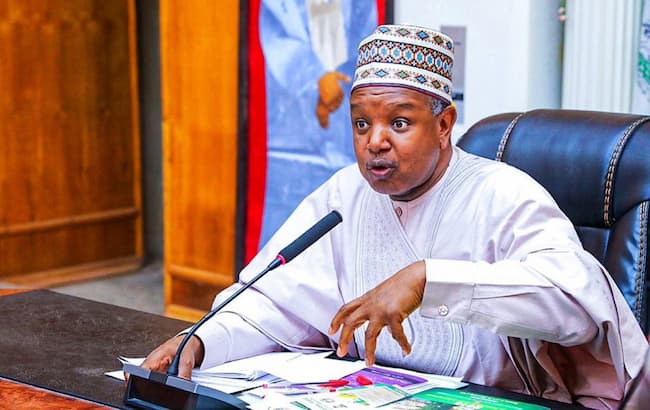
Atiku Bagudu, the new Minister of Budget and Economic Planning, said that the present administration will strive to achieve double-digit economic growth.
In his inaugural address on Tuesday in Abuja, he stated that President Bola Tinubu’s ambition is to achieve double-digit economic growth.
“The president has always been emphatic that if other countries have done it, why not us? Why not double-digit growth. Why not inclusion for all? An economy that promotes and rewards competition and efforts,” Bagudu said.
“We have seen bold and courageous actions in order to reposition Nigeria and he has placed an institutional arrangement that he believes will lead Nigeria to have sustained double digit growth.
“This will enable us to achieve our economic objectives at which the ministry is central to the government achieving it.”
According to Bagadu, the president’s decision to integrate the activities of the National Planning Commission (NPC) and the federation’s budget office under the ministry of budget and economic planning was a substantial policy adjustment.
Bagudu stated that the ministry’s strategy for coordinated planning and budgeting roles was to build adequate institutional frameworks to successfully operationalize them.
He stated that this will be accomplished through the harmonisation of planning frameworks, as well as the alignment and prioritization of medium-term development plans.
According to Bagudu, there is a need to prioritize and conceptualize how to market Nigeria.
He also stated that he would implement an open door policy, stating that the ministry was a knowledge institution that could benefit from the interchange of ideas.
Tuesday saw another increase for the Nigerian Exchange (NGX), as equity investors bought into the market despite economic uncertainty. Following the quest for bargains, the stock market’s year-to-date return shot up, outpacing the annual inflation rate of 24.08%.
As the market saw a similar trend that began at the start of the week, other key performance indicators increased. A gain of 0.44% was recorded by the NGX All Share Index, which closed at 65,488.67 points.
Increased buy-side interest in noteworthy companies including BUAFOODS 7.91%, DANGSUGAR 3.89%, GUINNESS 2.81%, TRANSCORP 2.28%, and other listed securities was the main driver of this upward trend.
The index’s year-to-date return has increased to 27.78%, according to data from the local market, while the monthly returns have increased to 1.79%. The whole trade value increased by 3.26 percent to N4.12 billion. In addition, the transaction volume increased by 26.72%, with 5,895 trades for a total of 293.46 million units moved.
Activity increased as volume and value exchanged increased by 26.7%, 3.3%, and 293.5 million units, or 4.1 billion, respectively. Although favorably weighted, performance across covering sectors was uneven, with 3 indices rising and 2 indices falling, while the Industrial Goods index finished unchanged.
Due to price increases in BUAFOODS (+7.9%), DANGSUGAR (+3.9%), CORNERST (+9.8%), and CHIPLC (+3.5%), the Consumer Goods and Insurance indexes increased by 3.8% and 0.5%, respectively.
Trailing, the AFR-ICT index rose 1bp due to gains in CWG (+9.7%). Conversely, the Banking and Oil & Gas indices dipped 0.9% and 0.2% respectively, following losses in ACCESSCORP (-1.2%), UBA (-1.4%), and ETERNA (-4.8%).
Despite the uptrend, investor sentiment, as measured by market breadth, weakened to -0.14x versus 0.23x previously recorded as 16 listed companies stocks advanced, 26 declined, and 71 closed flat in the local bourse on Tuesday.
In the next trading session, Afrinvest expects a mild gain on the local bourse in the absence of any negative trigger. Overall, equities market capitalisation advanced by ₦156.7 billion to ₦35.8 trillion.
Google has announced that African entrepreneurs (startups) are now eligible to apply for its 10-week equity-free accelerator program.
The technological behemoth announced on Tuesday that the ‘Google for Startups Accelerator: AI First’ program is already accepting applications.
Google stated that the program would help African startups employ artificial intelligence to solve local problems.
The 10-week equity-free accelerator program is for Seed to Series A startups based in Africa or developing Africa-centered solutions.
Google for Startups Accelerator Africa accepts applications from startups in Algeria, Botswana, Cameroon, Côte D’ivoire, Egypt, Ethiopia, Ghana, Kenya, Morocco, Nigeria, Rwanda, Senegal, South Africa, Tanzania, Tunisia, Uganda, and Zimbabwe.
“Applications for the 10-week equity-free accelerator are now open, inviting startups up to series A stage based in Africa or building Africa-centric solutions with AI and machine learning,” the statement reads.
“Participants will benefit from access to Google’s AI expertise, and technical resources including up to $350,000 Google Cloud credits, mentorship from seasoned AI professionals, and invaluable networking opportunities.
“This programme recognises the transformative role that AI is playing across the world, innovating industries, and reimagining the realms of possibilities.”
According to Google, the program also emphasizes the enormous contributions of African businesses in addressing some of the region’s most urgent concerns through the use of AI, with the primary goal remaining to encourage and “highlight African-driven solutions.”
Interested startups are advised to apply before September 6, 2023 and submit applications via the website.