







Oil prices fell on Monday as a larger-than-expected production increase from OPEC+ and renewed concerns over U.S. tariff plans weighed on market sentiment.
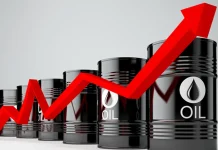
Brent crude slipped 0.4% to $67.67 per barrel, while the U.S. benchmark, West Texas Intermediate (WTI), edged down 0.2% to $65.48 per barrel, from $65.65 in the previous session.
Over the weekend, the OPEC+ alliance announced it would boost production by 548,000 barrels per day in August, exceeding the planned monthly hikes of 411,000 barrels approved for May through July and reversing about 80% of the 2.2 million barrels per day in voluntary cuts introduced earlier by eight OPEC members. The move raised concerns about a potential supply glut as members, particularly Saudi Arabia, ramp up output while others struggle to meet quotas.
Despite the broader increase, Saudi Arabia signaled confidence in demand by raising the official selling price of its Arab Light crude to Asia for August, the highest in four months. Analysts at Goldman Sachs expect OPEC to implement an additional 550,000 barrels per day increase in September, with the final decision anticipated at its August 3 meeting.
On the demand side, renewed uncertainty around U.S. trade policy added to bearish sentiment. While U.S. officials indicated a delay in planned tariff changes, President Donald Trump warned that countries would be notified of new, higher tariffs by July 9, with implementation set for August 1. The proposed rates could range widely, from a baseline of 10% up to 70% under a “reciprocity” framework, fueling investor concerns about potential impacts on global economic growth and energy demand.
“Fears about Trump’s tariffs continue to dominate market sentiment in the second half of 2025, with dollar weakness being the only support for oil right now,” said Priyanka Sachdeva, senior market analyst at Phillip Nova.
For now, while a softer U.S. dollar is providing some support to crude prices, concerns over rising supply and trade-related economic risks continue to weigh on the outlook for oil markets in the coming weeks.