











The Nigerian Ports Authority (NPA) and APM Terminals’ West African Container Terminal (WACT) in Onne have signed a $60 million partnership agreement aimed at accelerating the decarbonisation of Nigeria’s port and transport ecosystem.
The Memorandum of Understanding (MoU), signed in Lagos, sets out a roadmap for the electrification of containerised freight in line with the Federal Ministry of Marine and Blue Economy’s sustainability agenda.
Speaking at the ceremony, the Managing Director of NPA, Dr. Abubakar Dantsoho, said the initiative would position Onne Port as the country’s first green port and a continental leader in sustainable port operations.
“This agreement will not only drive Nigeria’s decarbonisation efforts but also set a benchmark that other African countries can emulate,” he stated.
Also speaking, the Chief Executive Officer of APM Terminals Nigeria, Mr. Frederik Klinke, noted that Nigeria’s size and position as Africa’s largest economy and trade hub made it well-placed to spearhead the region’s transition to low-carbon logistics.
“Our research shows that Nigeria can leapfrog fossil-fuel infrastructure and adopt proven electric technologies. We are optimistic about developing a phased roadmap towards an electrified future for container logistics,” Klinke said.
The Managing Director of WACT, Mr. Jeethu Jose, stressed the importance of collaboration in achieving sustainable growth. “Our investments are for a shared future and for the people of the region. We are committed to driving this transition alongside stakeholders in the port industry,” he added.
The partnership builds on a study presented by APM Terminals at the Decarbonising Infrastructure in Nigeria Summit in Abuja in July 2025, which revealed that shifting from fossil fuels to electrified container freight could attract private capital, create skilled jobs, and strengthen energy reliability. The report, however, underscored the need for strong cross-sectoral coordination and closer collaboration between government and private operators to realise these benefits.


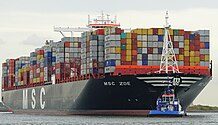

 and APM Terminals’ West African Container Terminal (WACT) in Onne have signed ...)