








The Nigerian Maritime Administration and Safety Agency (NIMASA) has launched a renewed offensive to revitalize the nation’s shipbuilding and repair sector, aiming to halt the massive drain on foreign exchange. At a high-level stakeholders’ breakfast meeting held in Lagos recently, the agency revealed that Nigeria currently loses approximately $147.8 million annually to foreign shipyards for maintenance and docking fees.
Director-General Dr. Dayo Mobereola, represented by the Executive Director of Operations, Engr. Fatai Taiye Adeyemi, emphasized that localizing these services is no longer just a maritime goal but a “strategic pillar” for the survival of the nation’s Blue Economy.
The agency’s 2026 strategy focuses on dismantling the structural bottlenecks that have forced indigenous shipowners to spend between $25 million and $30 million annually on dry-docking services in neighboring countries like Ghana and Togo.
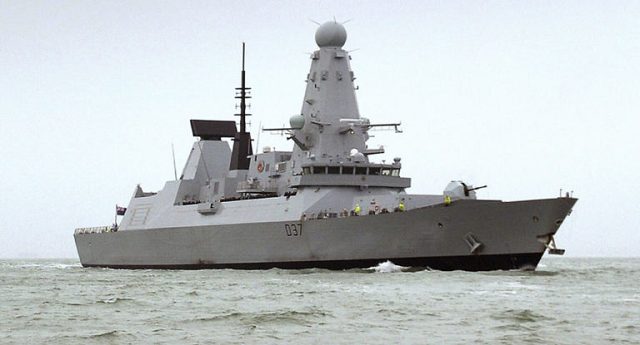
To counter this, NIMASA has accredited 27 registered shipyards as of November 2025 and is now prioritizing “deliberate funding models” to help these facilities upgrade their technology. A major milestone in this infrastructure push is the final push to operationalize the ₦50 billion Modular Floating Dock at its Apapa base, which is expected to serve as the primary hub for both large-scale ship repairs and the seatime training of Nigerian cadets.
Central to the success of this policy is the Cabotage Vessel Financing Fund (CVFF), which the agency confirms is finally moving toward disbursement in 2026 after decades of administrative delays. By providing shipbuilders with access to low-interest capital and implementing tax incentives, NIMASA intends to make Nigerian shipyards regionally competitive.
This shift also aligns with the International Maritime Organization (IMO) standards for decarbonization; local shipyards are being tasked with building energy-efficient vessels that meet global emission targets. The agency maintains that a vibrant domestic shipbuilding industry is essential for sustaining Nigeria’s recent return to Category C of the IMO Council, a position that grants the country greater influence in global maritime governance.








 has launched a renewed offensive to revitalize the nation’s shipbuilding and repair sector, aiming to halt the massive drain on foreign exchange. At a high-level stakeholders' breakfast meeting held in Lagos recently, the agency revealed that Nigeria currently loses approximately $147.8 million annually to foreign shipyards for maintenance and docking fees.)