





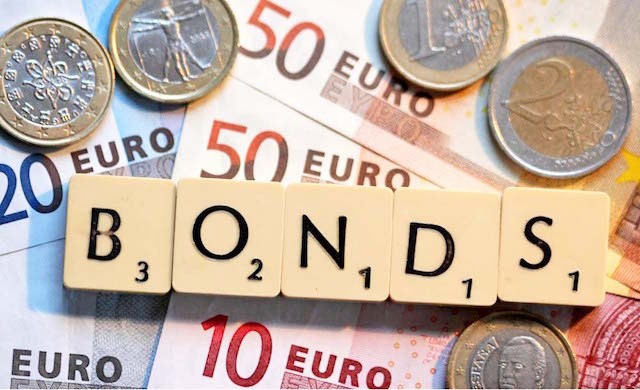
Nigeria’s $1.12 billion Eurobond is set to mature in November, and analysts anticipate the government will step up foreign borrowing in the second half of the year to meet this obligation amid rising debt pressures.
In the first half of 2025, the government largely tapped the local debt market to finance its budget deficit, slowing fixed-income securities issuance while introducing Sukuk and green bonds into its funding mix. During the quarter, the Debt Management Office (DMO) offered ₦750 billion across various bond tenors but raised ₦798.6 billion against total subscriptions of ₦1.54 trillion.
Nigeria’s public debt rose by 3.26% quarter-on-quarter to ₦149.39 trillion at the end of March 2025, marking a 22.78% year-on-year increase, reflecting continued fiscal reliance on debt to bridge budget gaps amid tepid revenue and elevated spending.
Cordros Capital projects that public debt will expand further to 54% of GDP in 2025 due to persistent borrowing across domestic and external markets.
In its mid-year report, CardinalStone Partners noted that the government raised about ₦3 trillion through Nigerian Treasury bills and bonds in the first half, with an additional ₦10.08 trillion in net issuance likely needed to cover the estimated deficit for the year.
“While Nigeria relied heavily on the domestic market for deficit financing in H1, we expect a notable increase in external sourcing in H2 2025,” CardinalStone stated. The firm disclosed that the government plans to raise $1.20 billion through the DMO and an additional $2 billion at concessionary rates from multilateral sources, totaling approximately ₦4.90 trillion at the official exchange rate of ₦1,530/$ as of June 2025.
The remaining ₦5.19 trillion needed for deficit financing is expected to be sourced locally after accounting for rollovers.
CardinalStone added that part of the expected external borrowings will likely be used to repay the maturing $1.12 billion Eurobond and cover cumulative coupon payments of about $1.38 billion.
During the year, President Bola Tinubu sought National Assembly approval for foreign borrowings totaling $21 billion, €2.2 billion, and ¥15 billion for project financing tied to the country’s medium-term expenditure framework.
Analysts note that these developments underscore the critical role foreign borrowing will continue to play in Nigeria’s deficit financing strategy over the medium term.