






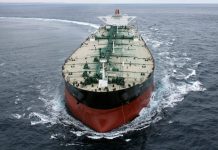
Nigeria imported approximately 1.31 billion litres of petrol in December 2025 according to the latest data from the Nigerian Midstream and Downstream Petroleum Regulatory Authority. This remains a significant figure despite a massive surge in production from the Dangote Refinery which supplied 992 million litres during the same period.
The data reveals a growing competition between domestic refining and foreign imports with total daily supply reaching 74.2 million litres during the Yuletide season to meet heightened holiday demand.
A deep dive into the numbers explains the persistence of imports. In November petrol imports peaked at 1.57 billion litres while local supply stood at just 585 million litres. The NMDPRA justified these high import volumes by citing supply shortages in September and October where domestic output fell below national demand.
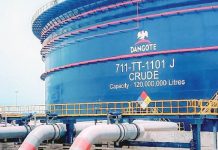
While the Dangote Refinery has now ramped up to a consistent 50 million litres per day production level some marketers continue to utilize import licenses issued earlier in the year to maintain inventory buffers and avoid potential local monopolies.
The situation has sparked a fierce price war between Aliko Dangote and fuel importers. While the landing cost of imported petrol fluctuated between N750 and N780 per litre in December Dangote crashed his ex-depot price to N699 per litre.
This N129 price cut was intended to discourage importation and ensure Nigerians bought fuel at no more than N740 at the pump. However the move has come at a high cost with the refinery reporting heavy financial losses in late 2025 while attempting to stabilize the market.
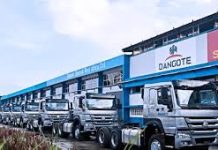
To sustain this momentum Dangote Refinery Managing Director David Bird confirmed that the facility has transitioned to full 24-hour operations. The refinery now facilitates nighttime loading to evacuate over 1,000 trucks daily from its gantry. This operational shift aims to meet the entire 50 million litre daily national requirement locally.
As the regulator prepares to issue fresh licenses for the first quarter of 2026 the industry remains divided on whether Nigeria should finally shut the door on foreign petrol to protect its domestic refining investment.