









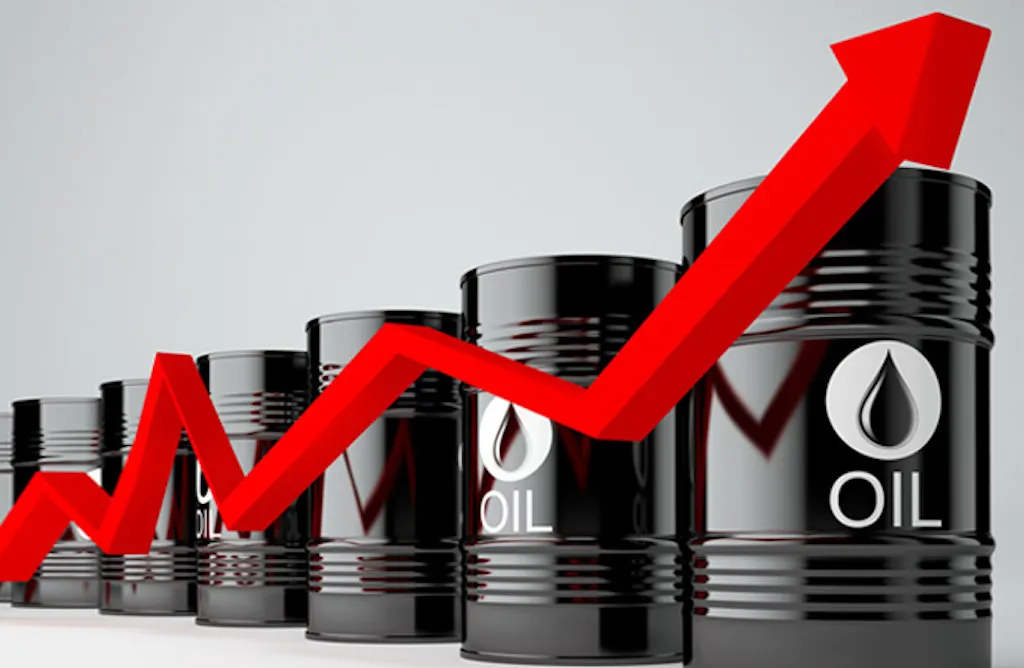
Nigeria’s average daily consumption of Premium Motor Spirit (PMS) reached a historic 63.7 million litres in December 2025, marking a sharp 34% increase from the 47.5 million litres recorded just 14 months earlier.
This surge in demand, detailed in the February 12, 2026, factsheet from the Nigerian Midstream and Downstream Petroleum Regulatory Authority (NMDPRA), is being interpreted as a double-edged sword for the nation’s recovering economy.
While the regulator frames the increase as a sign of “strategic transformation” and heightened economic activity, energy analysts warn that the growing appetite for fuel is putting fresh pressure on foreign exchange reserves and the newly stabilized naira.
Economic experts point to a shift in the nation’s logistics and security needs as a primary driver of the spike. Bismarck Rewane, Chief Executive Officer of Financial Derivatives Company, explained during a recent presentation that the trend reflects a significant rise in the use of rugged, high-consumption vehicles, particularly those supporting expanded security operations and internal trade.
This observation is supported by customs data showing that passenger motor car imports hit a staggering ₦1.01 trillion in the first nine months of 2025. The influx of these vehicles, primarily from the United States and South Africa, has created a sustained demand that far exceeds the official 2025 daily benchmark of 50 million litres.
The supply side of the equation has seen a dramatic shift toward domestic self-reliance, though the transition remains incomplete. The Dangote Petroleum Refinery emerged as a critical pillar in December, supplying 32.012 million litres per day, nearly half of the national requirement. This represented a 64% increase in the refinery’s output compared to November.
However, to prevent festive-season shortages, Nigeria still relied on imports for the remaining 42.2 million litres daily. While the Dangote facility has pledged to scale its supply to 75 million litres per day by the second half of 2026, the current gap highlights the ongoing delicate balance between local production and the need for a “liquidity buffer” through imports.
Despite the 34% jump in volume, the financial burden on citizens remains high, with pump prices averaging ₦878.50 per litre in December. Analysts at the Centre for Development Studies note a “policy contradiction” where the country is importing fuel-heavy vehicles that necessitate even more imported fuel, thereby complicating the Central Bank’s efforts to curb inflation.
Nonetheless, with GDP growth projected to reach 4.49% in 2026, the government remains optimistic that the increased mobility and industrial activity signaled by these consumption figures will ultimately drive the productivity needed to sustain Nigeria’s long-term economic stability.











 reached a historic 63.7 million litres in December 2025, marking a sharp 34% increase from the 47.5 million litres recorded just 14 months earlier.)