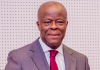








Nigeria wakes up to a double blow, the kind that makes even social media pause and say, “Wait, what?” On one side, former President Muhammadu Buhari breathed his last in London at 82. On the other side, Oba Sikiru Kayode Adetona, the Awujale of Ijebuland, joins his ancestors at 91 after sitting on the throne since 1960. Two leaders, two eras, one very emotionally exhausted country.
Yet somehow, life doesn’t stop. Lagos traffic still holds people hostage. NEPA still takes light like it’s their birthright. POS charges still confuse everybody. Because in Nigeria, even when we’re grieving, we’re multitasking, we cry, we laugh, and we still check the exchange rate before entering the market.
The passing of Buhari sparks mixed emotions. For some, he’s a hero, a no-nonsense general who brings discipline, takes on corruption, and gives Nigerians a moment of structure. For others, he is the poster boy for “we will fix it” governance that never truly fixes much. The fuel subsidy drama under his watch still burns deeper than a hot suya pepper. Youths remember the Twitter ban. Protesters remember the tear gas. Civil servants remember salary structures that remain flatter than chin-chin.
Yet, even his critics admit, he is an era. And when an era ends in Nigeria, we don’t just mourn it; we remix it, analyze it, and add it to WhatsApp broadcasts like family gossips.
Then comes the death of Oba Adetona, and Nigeria bows its head with respect. 65 years on the throne? That’s not reign, that’s dynasty. This man becomes king before many Nigerians are even born. He lives through coups, economic booms, recessions, and JAMB syllabus updates. He witnesses everything from typewriters to TikTok. His exit feels like the sun setting on history.
Now, while Nigeria mourns, the country itself is still going through its own identity crisis. The naira continues to fall like someone who skips leg day. The dollar now wears agbada, sitting comfortably at over ₦1,500. A loaf of bread is no longer breakfast; it’s a financial commitment. Fuel queues are back, and generator repair guys are suddenly the real MVPs of the economy.
Even data prices have become a crime scene. You load 5GB, and before you even say “Hello” on WhatsApp, 4.5GB disappears. Meanwhile, your network provider replies, “Dear customer, your data is still valid.”
Amid all of this, Nigerians do what Nigerians do best; adapt and laugh. We’re the only people who will make jokes about power failure during the power failure. When Buhari’s death hits the news, Twitter is divided. Some post prayer emojis, others post memes.
But beyond the humor is a deep truth: Nigerians are tired. Not the “I didn’t sleep well” kind of tired. We’re tired of surviving instead of living. We’re tired of holding our breath at every government announcement. We’re tired of seeing history repeat itself in different packaging, this time with a longer convoy and newer SUVs.
Yet somehow, in the middle of our tiredness, we hustle. We sell things online. We run businesses with no light. We run shows, pop-up markets, and prayer meetings on Instagram Live. Young Nigerians are building empires from shared apartments. They’re coding from cyber cafés. They’re sewing dreams into fashion lines. Because hope is now a full-time job in Nigeria, one we do alongside three side hustles.
Media platforms like BizWatch continue to shine a light through the chaos, making sense of the madness with headlines that inform, inspire, and still let you laugh without guilt. Because in this Nigeria, where you can read about someone dying, a new tax, and a viral skit all on the same page, balance is necessary.
So, as we say goodbye to a president and a king, the country takes a breath. Maybe we reflect. Maybe we argue on Facebook. Maybe we write tributes in small fonts and big words. But most of all, we continue, because in Nigeria, that’s what we do.
Whether you’re in Ojota or Owerri, in GRA or your grandmother’s compound, we all know the truth: things are hard. But somehow, we’re harder. Life may hit us, but we hit back, with hustle, with humor, with unshakable Nigerian energy.
Two leaders leave us, but 200 million people carry on. Not because we have it all figured out, but because we’re Nigerians, and nothing tests faith, fire, and funny bone like this place we call home.
Rest well, Baba. Sleep in peace, Kabiyesi.
For the rest of us? We move — slowly, loudly, but always forward.