







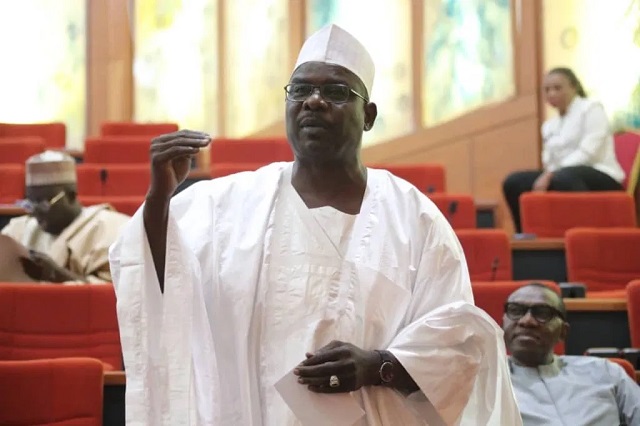
Borno South Senator Ali Ndume has called on President Bola Tinubu to suspend the implementation of Nigeria’s newly enacted tax laws, citing unresolved controversy over their authenticity and content.
The laws, which are scheduled to take effect in January 2026, have been mired in allegations that the versions passed by the National Assembly differ from those later gazetted by the federal government. Ndume said the claims have raised serious credibility concerns that must be addressed before implementation can proceed.
In a statement issued on Wednesday, the senator urged the president to set up an ad hoc committee to investigate the alleged discrepancies, adding that enforcement of the laws should be put on hold until the probe is concluded.
According to Ndume, allowing the reforms to proceed amid uncertainty could undermine public confidence and render the laws ineffective. He argued that a transparent review would help determine whether alterations were made after legislative approval and bring the controversy to a close.
He also pointed to growing opposition from civil society groups, the Nigerian Bar Association, and northern socio-cultural organisations, all of which have called for the suspension or withdrawal of the tax laws pending clarification.
The tax reform package, drafted by the Presidential Committee on Fiscal Policy and Tax Reforms, includes the Nigeria Tax Act, the Tax Administration Act, the Nigeria Revenue Service Establishment Act, and the Joint Revenue Board Establishment Act. Among other changes, the laws seek to adjust the value-added tax (VAT) sharing formula and provide tax relief for low-income earners.
Concerns intensified earlier this month when a member of the House of Representatives alleged during plenary that the gazetted versions of the bills did not fully reflect what lawmakers approved. The House has since constituted a committee to investigate the matter.
Beyond questions of authenticity, the reforms have drawn criticism over their potential regional impact, particularly the revised VAT-sharing structure, which some northern stakeholders fear could disadvantage less industrialised states.
While the federal government has maintained that the reforms followed due process and are designed to improve revenue mobilisation and fairness, Ndume insisted that implementation should not proceed until all doubts are resolved.
President Tinubu has already assented to the bills, with implementation slated for January 1, 2026, but the controversy continues to fuel calls for a temporary halt.