










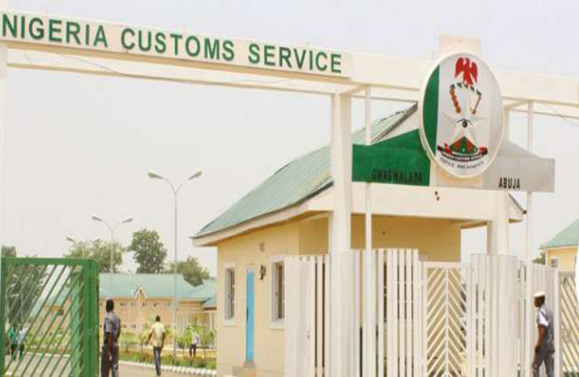
The Nigeria Customs Service (NCS) has introduced a new automated overtime e-clearance system designed to decongest the nation’s ports and improve trade facilitation through digital processes.
The initiative, announced on the Service’s official X account on Wednesday, is aimed at processing long-standing overtime cargo more efficiently by cutting delays, reducing manual interference, and curbing opportunities for corruption.
Speaking at a sensitization exercise in Lagos, Comptroller-General of Customs Adewale Adeniyi explained that the platform enables consignees to submit and track applications remotely, eliminating repeated visits to customs offices. He emphasized that the measure will help lower costs and shorten clearance times for cargo owners.
“We are more interested in removing these cargoes from our ports rather than managing them as overtime. If we had a choice, we would rather get all of them out of the ports. Everything we have tried to do is to ensure that our processes are more efficient, so that the cost and time it takes to clear these cargoes from the ports will be reduced,” Adeniyi said.
He, however, cautioned against abuse of the process, noting that some importers deliberately abandon cargo to evade duties. He cited a 15-year-old overtime cargo case still under investigation as an example of the loopholes the Service intends to close. According to him, tougher sanctions will apply to cases of deliberate abandonment, with intelligence units monitoring misuse.
Adeniyi directed the Zone A Coordinator to hold further engagement sessions with terminal operators and shipping companies to ensure seamless implementation of the system. Senior officials, including ACJ Mohamed Babandede, described the innovation as a step toward transparency, accountability, efficiency, and effectiveness.
Terminal operators and shipping lines present at the event pledged their cooperation, stressing that the new platform would help reduce congestion and improve turnaround times at Nigerian ports.
Previously, overtime cargoes were required to be cleared within 30 days at airports and 90 days at seaports. Under the new reform, the clearance window has been extended to 120 days, after which unclaimed goods will be disposed of, while perishable and inflammable items may be auctioned immediately.
Overtime cargoes have left uncleared beyond stipulated timelines which have long posed challenges for Nigeria’s ports, contributing to congestion, higher storage costs, and delays in cargo handling. While customs traditionally relied on auctions to dispose of such goods, the process had faced criticism over transparency and favoritism.
To address these concerns, the NCS launched an upgraded e-auction portal in January 2024, requiring bidders to present a valid Tax Identification Number (TIN) verified on the FIRS TaxPro Max platform, along with an active email address for registration.
By combining automation with the extended clearance window, the NCS says it is confident that the reforms will reduce abandoned consignments, strengthen transparency, and boost efficiency across ports and border commands.


 has introduced a new automated overtime e-clearance system designed to decongest the nation’s ports and...)