










By Boluwatife Oshadiya | April 3, 2026
Key Points
- Naira closes at ₦1,380/$ at official NFEM window amid lower liquidity
- Interbank FX turnover drops to $73.9 million across 87 deals
- Parallel market widens gap, with naira trading at ₦1,420/$
Main Story
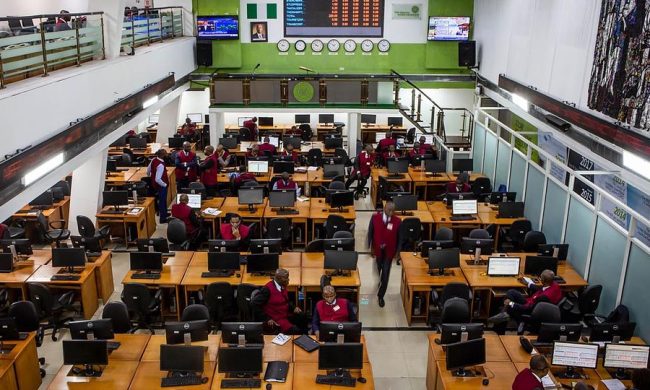
The naira depreciated to ₦1,380 per dollar at the Nigerian Foreign Exchange Market (NFEM) as reduced dollar supply weakened liquidity conditions, according to data released by the Central Bank of Nigeria (CBN).
Intraday trading showed the currency fluctuating between ₦1,373 and ₦1,385 per dollar, reflecting mild volatility in the official window. Market activity slowed significantly, with interbank turnover falling to $73.9 million across 87 deals, down from $116.2 million recorded in the previous session.
The drop in dollar liquidity remains the primary driver of the currency’s decline, even as the CBN continues to maintain exchange rate stability within its managed float framework. Analysts note that while Nigeria’s external reserves—currently hovering around $50 billion—provide a buffer, short-term pressures persist due to uneven FX inflows.
In the parallel market, the naira traded at ₦1,420 per dollar, highlighting continued fragmentation between official and informal currency markets.
Global factors also compounded pressures. Oil prices surged sharply following geopolitical tensions, with Brent crude rising above $109 per barrel and West Texas Intermediate crossing $110. While higher oil prices typically support Nigeria’s FX earnings, immediate gains have yet to translate into improved dollar liquidity domestically.
“The FX market remains liquidity-constrained despite strong reserve levels, suggesting structural supply issues rather than temporary shocks,” said a Lagos-based currency analyst.
What’s Being Said
“The current spread between official and parallel markets reflects persistent inefficiencies in FX distribution channels,” said Bismarck Rewane, CEO, Financial Derivatives Company.
“Oil price gains could eventually support the naira, but transmission into reserves and liquidity is not immediate,” said Ayodeji Ebo, Managing Director, Optimus by Afrinvest.
What’s Next
- CBN expected to sustain FX interventions to stabilise the official market
- Market participants watching for increased oil revenue inflows in coming weeks
- Next Monetary Policy Committee (MPC) meeting likely to assess FX volatility
Bottom Line
The Bottom Line: The naira’s weakness is less about reserve adequacy and more about liquidity transmission failures. Until FX supply improves at the market level, exchange rate pressures and parallel market divergence will persist.











 as reduced dollar supply weakened...)