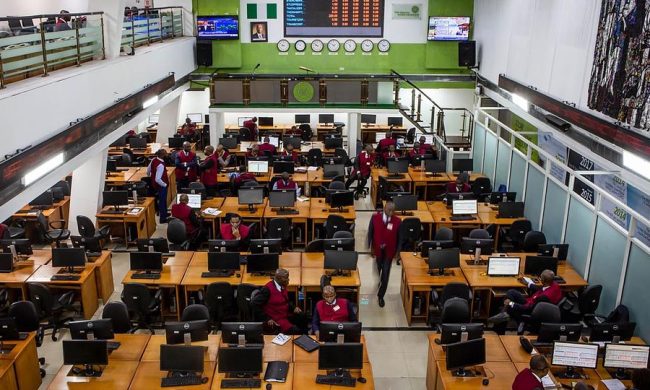








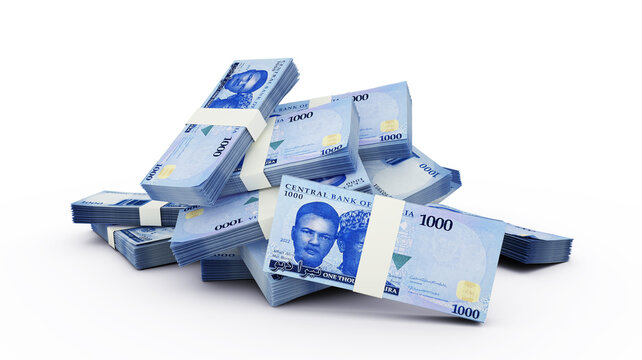
The naira depreciated against the United States dollar at the official foreign exchange window as increased foreign payment obligations outweighed supply in the Nigerian Foreign Exchange Market (NFEM).
Data released by the Central Bank of Nigeria (CBN) on Thursday showed that the domestic currency declined by 0.35 percent, closing at ₦1,353.66 per dollar at the official market.
The depreciation interrupted the naira’s recent recovery trend, which had been supported by improved foreign exchange liquidity in previous sessions. Intraday trading data revealed that the official rate fluctuated between a low of ₦1,350 and a high of ₦1,357 per dollar before settling weaker.
In contrast, the parallel market recorded an appreciation of 1.59 percent, with the naira strengthening to ₦1,403 per dollar. The divergence reflects ongoing segmentation between the regulated official window and the informal market.
The black-market rate has trended upward since the start of the week, partly influenced by the recent approval permitting licensed Bureau de Change operators to access foreign exchange at an official sales rate of $150,000 per dealer.
Analysts suggest that this intervention is expected to further reduce the spread between the official and informal exchange markets, where the gap has already narrowed considerably in recent weeks.
Fresh data from the apex bank indicated that Nigeria’s gross external reserves stood at $47.53 billion as of February 10, 2026, reflecting an increase of $154.58 million.
Since the foreign exchange reforms introduced in 2024, reserves have risen steadily and now provide import cover for approximately 11 months based on current trade metrics.
The strengthening reserve position has given the CBN greater flexibility to limit direct market interventions. According to CBN Governor Olayemi, the improved liquidity position allows the apex bank to remain out of the market on several trading days.
The moderation in intervention activity has coincided with tighter spreads between official and parallel market rates.
The central bank has projected that external reserves could exceed $51 billion in the near term, supported by easing FX demand pressures, increased oil export receipts, sovereign bond issuances, and rising diaspora remittance inflows.