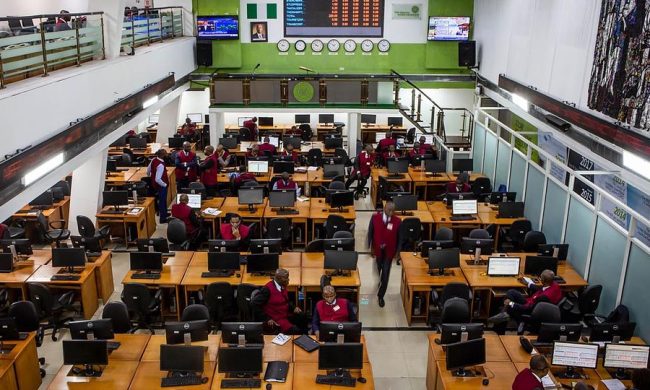







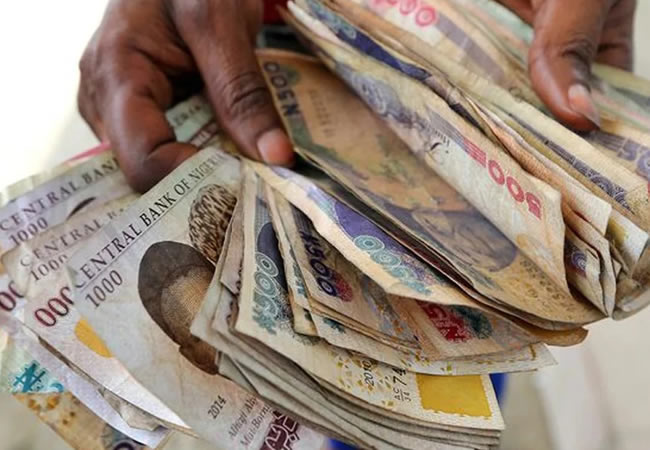
The Nigerian naira experienced further depreciation against the US dollar last week, following growing demand from companies seeking to settle international payments through the Nigerian foreign exchange market (NFEM).
According to weekly trading data, the exchange rate dropped by N2.38, averaging N1,534.72 per dollar, indicating increased forex pressure that outpaced available supply.
In response, the Central Bank of Nigeria (CBN) intervened directly in the FX market, injecting roughly $81 million to stabilize the exchange rate and prevent excessive volatility, according to a report by AIICO Capital Limited.
Despite this move, Nigeria’s external reserves continued their upward trend, rising for a third consecutive week. CBN statistics showed that the country’s foreign reserves grew by $778.34 million week-on-week to $38.632 billion.
AIICO Capital analysts expressed cautious optimism, predicting near-term stability in the FX market as the CBN refines its policy framework.
However, global market dynamics exerted additional pressure. International oil benchmarks, including Brent crude and West Texas Intermediate (WTI), recorded three-week lows. Brent declined by $1.24 to $68.04 per barrel, while WTI shed $2.25 to close at $65.09.
Market watchers attributed this to weak economic data out of the United States and China. In the US, orders for manufactured capital goods fell unexpectedly in June, fuelling speculation about a potential interest rate cut, particularly after President Trump’s meeting with the Federal Reserve Chair.
Meanwhile, China posted a 0.3% year-on-year drop in fiscal revenue for the first half of 2025, further dampening global market sentiment.
In the precious metals segment, gold prices fell by 0.4% to $3,336.58/oz amid easing trade tensions. Recent tariff agreements between the US, Japan, and the EU have reduced demand for safe-haven assets.
Looking ahead, analysts expect oil prices to remain reactive to geopolitical developments, global supply-demand dynamics, and upcoming decisions by OPEC+.