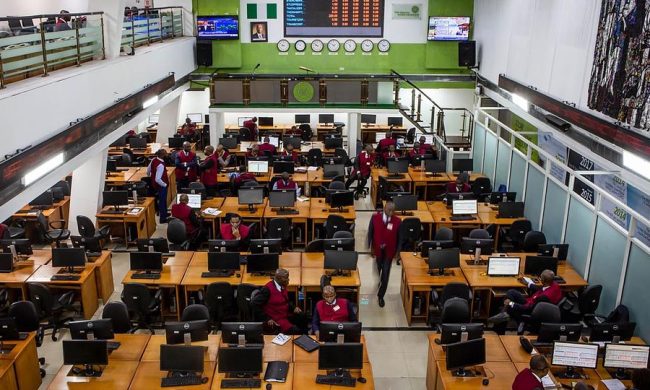







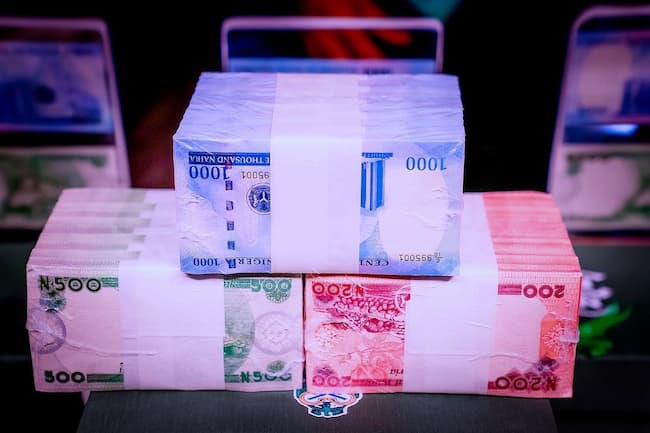
Nigeria’s naira exchange rate remained largely stable on Wednesday, settling at ₦1,549.2616 per dollar in the official market, according to figures from the Central Bank of Nigeria (CBN). This marginal change from the previous day’s rate of ₦1,549.0368 reflects consistent demand and dollar inflow patterns in the forex market.
Analysts say the currency’s steadiness is due to sustained FX intervention by the CBN, coupled with improved macroeconomic indicators and ongoing reforms, which are steadily restoring investor confidence. The naira is expected to trade within the ₦1,500–₦1,600 range in the near term, driven by increased foreign exchange liquidity and export proceeds.
Market watchers noted that recent Open Market Operation (OMO) auctions have contributed to FX stability, with foreign portfolio investors ramping up participation in local securities. This has lessened the burden on CBN to intervene aggressively in the spot market this June.
In the parallel market, the naira traded at ₦1,585 per dollar, showing little pressure from speculative demand.
Meanwhile, global oil prices rebounded on Wednesday after earlier sharp losses. Brent crude climbed 1.8% to $68.36 per barrel, while WTI crude rose 1.9% to $65.62. The gains were attributed to strong U.S. fuel consumption data and renewed optimism following a temporary ceasefire agreement between Israel and Iran.
Gold prices remained steady amid cautious market sentiment. Spot gold saw a modest uptick of 0.1%, reaching $3,327.91 per ounce after a recent dip to a two-week low, as geopolitical tension eased but supply concerns persisted in the Middle East.
Analysts suggest continued vigilance is necessary as investor focus shifts to upcoming U.S. economic data, which could impact currency and commodity markets globally.