









By Boluwatife Oshadiya | March 26, 2026
Key Points
- NGX market capitalisation rises to ₦128.98 trillion on buying interest
- MTN Nigeria and GTCO drive gains among large-cap stocks
- Trading volume and value decline sharply despite market uptick
Main Story
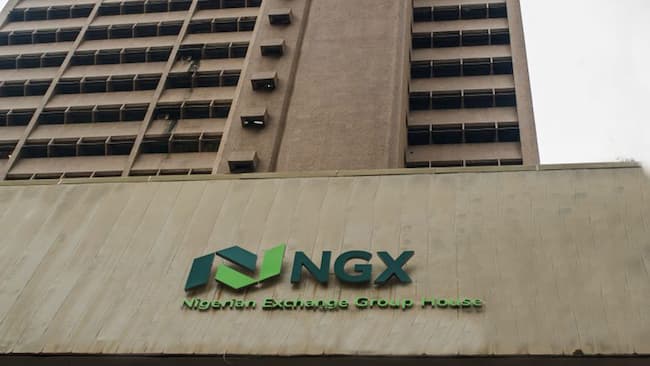
The Nigerian Exchange (NGX) extended its upward momentum on Wednesday, with market capitalisation approaching ₦129 trillion as investors increased positions in key large-cap stocks.
The benchmark All-Share Index rose by 219.87 basis points to close at 200,925.75, representing a 0.11% gain. Market capitalisation similarly increased by ₦141.14 billion to ₦128.98 trillion, reflecting sustained investor confidence in select equities.
Gains were primarily driven by MTN Nigeria, which advanced 2.41%, and GTCO, which rose 3.2%, alongside broader interest in medium- and large-cap stocks across sectors.
However, trading activity weakened significantly, with total volume and value declining by 55.31% and 55.91%, respectively. A total of 537.99 million shares worth ₦25.39 billion were traded across 45,641 deals.
Wema Bank led volume activity, accounting for over 20% of total shares traded, while MTN Nigeria dominated value trades with 16.86%. On the gainers’ chart, Legend Internet rose 10%, followed by Zichis and Premier Paints, while Fidson Healthcare led losers with a 9.97% decline.
Sectoral performance was mixed, with gains recorded in insurance, consumer goods, and oil and gas, while banking and industrial goods indices closed lower.
What’s Being Said
“The market’s resilience reflects continued institutional interest in fundamentally strong stocks,” said a Lagos-based stockbroker.
“However, declining volumes suggest cautious positioning rather than broad-based bullish sentiment,” the broker added.
What’s Next
- Investors are expected to track earnings releases and dividend announcements
- Sector rotation may continue as portfolio managers rebalance holdings
- Market direction will depend on liquidity flows and macroeconomic signals
The Bottom Line: The NGX rally remains narrowly driven by large-cap stocks, indicating selective confidence rather than a broad market surge — a pattern that could limit sustained upside without stronger participation.




 extended its upward momentum on Wednesday, with market capitalisation approaching ₦129 trillion as investors increased positions in key large-cap stocks.)