






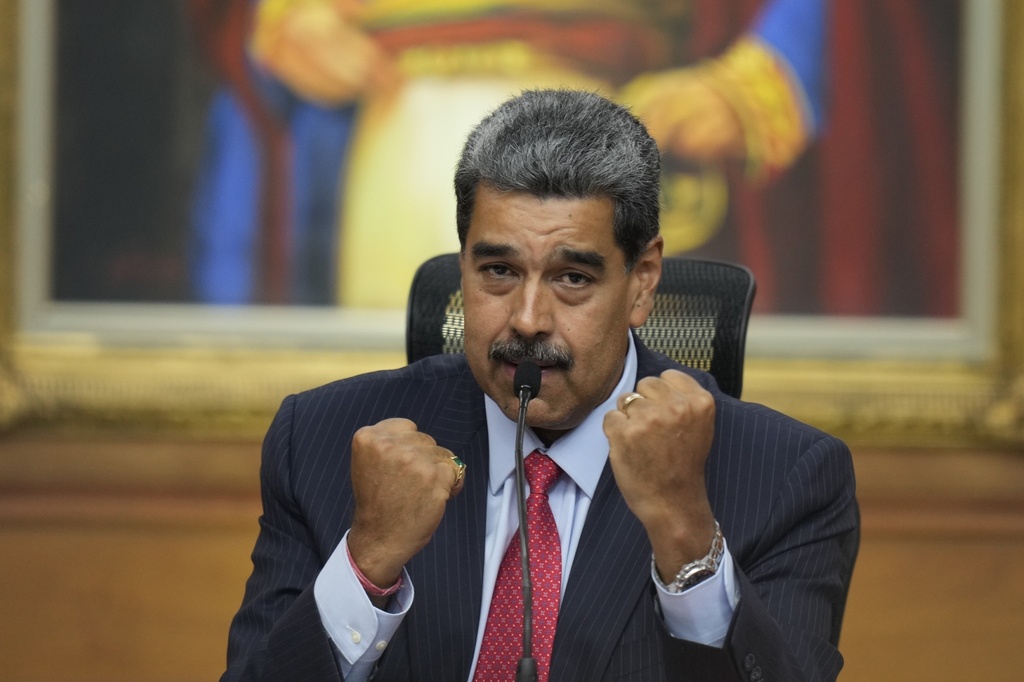
Deposed Venezuelan leader Nicolás Maduro and his wife, Cilia Flores, are scheduled to make a historic first appearance in a Manhattan federal court today, Monday, January 5, 2026. The hearing, set for 12:00 p.m. EST before U.S. District Judge Alvin K. Hellerstein, follows a dramatic weekend military operation that has sent shockwaves through the international community.
The couple was seized by U.S. forces in an early Saturday raid codenamed “Operation Absolute Resolve.” Elite units, including Delta Force, extracted the 63-year-old leader and his wife from a military base in Caracas under the cover of a massive blackout and heavy airstrikes. By Saturday evening, they were landed in New York and transferred to the Metropolitan Detention Center in Brooklyn.
A newly unsealed superseding indictment from the Southern District of New York charges Maduro with narco-terrorism conspiracy, cocaine importation conspiracy, and the possession of machine guns and destructive devices. Prosecutors allege that for over 20 years, Maduro led a state-sponsored drug trafficking network known as the “Cartel of the Suns,” conspiring with the FARC and Mexican cartels to flood the United States with thousands of tons of cocaine.
The indictment further alleges that during his tenure as Foreign Minister, Maduro sold diplomatic passports to drug traffickers and personally arranged for “diplomatic cover” for flights transporting drug proceeds. If convicted on all counts, Maduro faces a mandatory minimum of 30 years and a maximum of life in prison.
Speaking from Mar-a-Lago following the raid, President Trump announced that the United States would “run” Venezuela until a “safe, proper, and judicious transition” could take place. He suggested that U.S. oil companies would be tapped to manage the nation’s vast energy reserves to fund the transition and new infrastructure.
The military intervention—the most significant in Latin America since the 1989 invasion of Panama—has ignited a fierce legal and diplomatic debate. While the administration argues that Maduro is an “illegitimate dictator” with no claim to sovereign immunity, critics and international law experts have questioned the legality of a military abduction of a foreign head of state without congressional approval.
The United Nations Security Council is holding an emergency meeting this morning to discuss the operation. UN Secretary-General António Guterres described the seizure as a “dangerous precedent.” Meanwhile, allies of the Maduro regime, including Russia and China, have condemned the move as an act of “naked imperialism.”
In Caracas, the political situation remains volatile. While Vice President Delcy Rodríguez has been named interim president by the nation’s high court, she has denounced the U.S. action as a “cowardly kidnapping.” Protests have broken out both in the streets of the Venezuelan capital and outside the federal courthouse in New York as the world awaits today’s legal proceedings.