








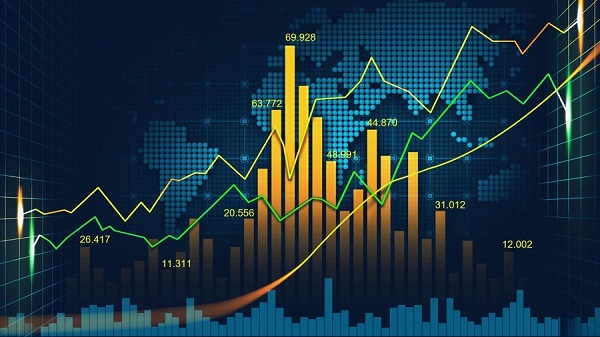
The foreign exchange (forex) market, renowned as the largest financial market in the world, presents traders with vast opportunities but also comes with high volatility. Understanding the forces that drive currency movements is crucial for anyone seeking success in forex trading.
Economic Indicators and Market Reports
Economic performance is one of the most influential drivers of currency value. Governments and financial institutions frequently release data such as:
- GDP Growth: A strong GDP typically strengthens a nation’s currency.
- Inflation Rates: Rising inflation tends to weaken a currency unless offset by higher interest rates.
- Employment Figures: Lower unemployment often signals economic stability, boosting currency strength.
- Trade Balances: Surpluses from higher exports than imports can support stronger currency performance.
Traders often monitor scheduled economic announcements, as they can trigger immediate volatility in the forex market.
Central Bank Decisions
Monetary policies implemented by central banks play a significant role in shaping forex movements. Decisions such as adjusting interest rates, engaging in quantitative easing, or making official policy statements can instantly shift investor sentiment and impact currency value.
Higher interest rates generally attract investors seeking better returns, thereby strengthening the currency, while lower rates usually have the opposite effect.
Political Stability and Global Events
Political developments also influence currency trends. Stable governments tend to attract foreign investment, while instability—ranging from elections to conflicts or sanctions—can cause depreciation.
Unexpected events such as trade disputes or policy reforms often create ripple effects that traders must anticipate.
Global Market Sentiment
The mood of global investors, known as market sentiment, can swing forex prices. Confidence typically drives investment into riskier currencies, while uncertainty often fuels demand for safe-haven currencies like the US dollar or Swiss franc.
Crises and Natural Disasters
Unforeseen events such as pandemics, floods, earthquakes, or financial crashes can cause sharp fluctuations in forex markets. For example, global health crises often reduce trade and tourism, weighing on national currencies.
The Role of Speculation
Finally, speculation itself moves the market. Large institutional players, hedge funds, and banks often drive momentum by making speculative bets. When enough traders believe a currency will rise, increased demand can push prices upward even without fundamental justification.
Conclusion
While the forex market is complex and fast-moving, understanding the combined impact of economic reports, central bank policies, politics, global sentiment, and crises equips traders to make informed decisions. Staying aware of these factors can significantly improve trading strategies and outcomes.








 market, renowned as the largest financial market in the world, presents traders with vast opportunities but...)