







KEY POINTS
- Ikeja Electric (IE) has officially announced a reduction in power supply across Lagos due to a significant nationwide drop in electricity generation.
- Spokesman Kingsley Okotie attributed the crisis to a shortage of gas supply to thermal power plants, which are Nigeria’s primary source of energy.
- The shortfall has forced the distribution company to implement intermittent outages and load shedding across its entire network.
- Small business owners and residents report soaring operating costs as they pivot to expensive petrol and diesel generators to stay afloat.
MAIN STORY
Residents and businesses under the Ikeja Electric network are grappling with a severe downturn in power availability following a breakdown in the national energy value chain. Kingsley Okotie, Head of Corporate Communications for IE, confirmed on Tuesday that the “nationwide drop” has drastically reduced the energy allocation available to Lagos.
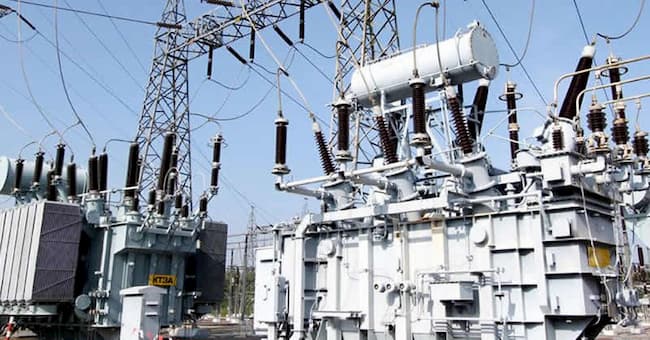
The root cause is a limited supply of gas to the country’s thermal stations, which has left the national grid unable to meet baseline demand.
The impact on the ground has been immediate and costly. From frozen food traders in Lagos markets to industrial welders, the lack of public power has shifted the burden of generation back onto the consumer.
With fuel prices already at historic highs, many small enterprises are reporting that their profits are being swallowed by generator maintenance and diesel costs. Civil servants have also noted that the blackout is compounding the discomfort of rising seasonal temperatures, leaving households reliant on rechargeable fans and stored water.
THE ISSUES
The current crisis highlights the “Thermal Dependency” of Nigeria’s energy sector. Because over 75% of the grid is powered by gas-fired plants, any disruption in gas pipelines or payment disputes with gas suppliers triggers an immediate national blackout.
This is further complicated by “Sectoral Debt,” where distribution companies (DisCos) struggle to pay generating companies (GenCos), who in turn cannot pay gas suppliers. For a city like Lagos—the nation’s economic engine—unreliable power acts as a “Growth Ceiling,” forcing businesses to operate at lower capacities or shut down entirely when the “grid-to-generator” price gap becomes unsustainable.
WHAT’S BEING SAID
- “The ongoing reduction in electricity supply is largely due to a nationwide drop in power generation,” stated Kingsley Okotie, Ikeja Electric.
- “We remain committed to distributing the available power as efficiently and equitably as possible,” Okotie added.
- “Either way, I am losing,” noted Kemi Adebayo, summarizing the sentiment of Lagos small business owners.
WHAT’S NEXT
- National Intervention: Efforts are reportedly underway at the ministerial level to resolve gas supply bottlenecks and stabilize thermal plant operations.
- Load Shedding Schedules: Ikeja Electric is expected to release or update “equitable distribution” timetables to help businesses plan their generator usage.
- Alternative Energy Pivot: Market observers expect a surge in demand for solar inverter systems (like those used in the 371 PHCs) as businesses look to decouple from the national grid.
- Grid Stability Monitoring: Engineers at the National Control Centre (NCC) in Osogbo are working to prevent a total system collapse during this period of low frequency.
BOTTOM LINE
The Bottom Line is that Lagos is being throttled by a “Gas Gap.” Despite the “Renewed Hope” focus on infrastructure, the city’s reliance on a fragile, gas-dependent grid means that when the thermal plants run dry, the economy goes dark. Until Nigeria achieves a more diverse energy mix that includes large-scale renewables, businesses will continue to pay a “generator tax” that threatens their very survival.