







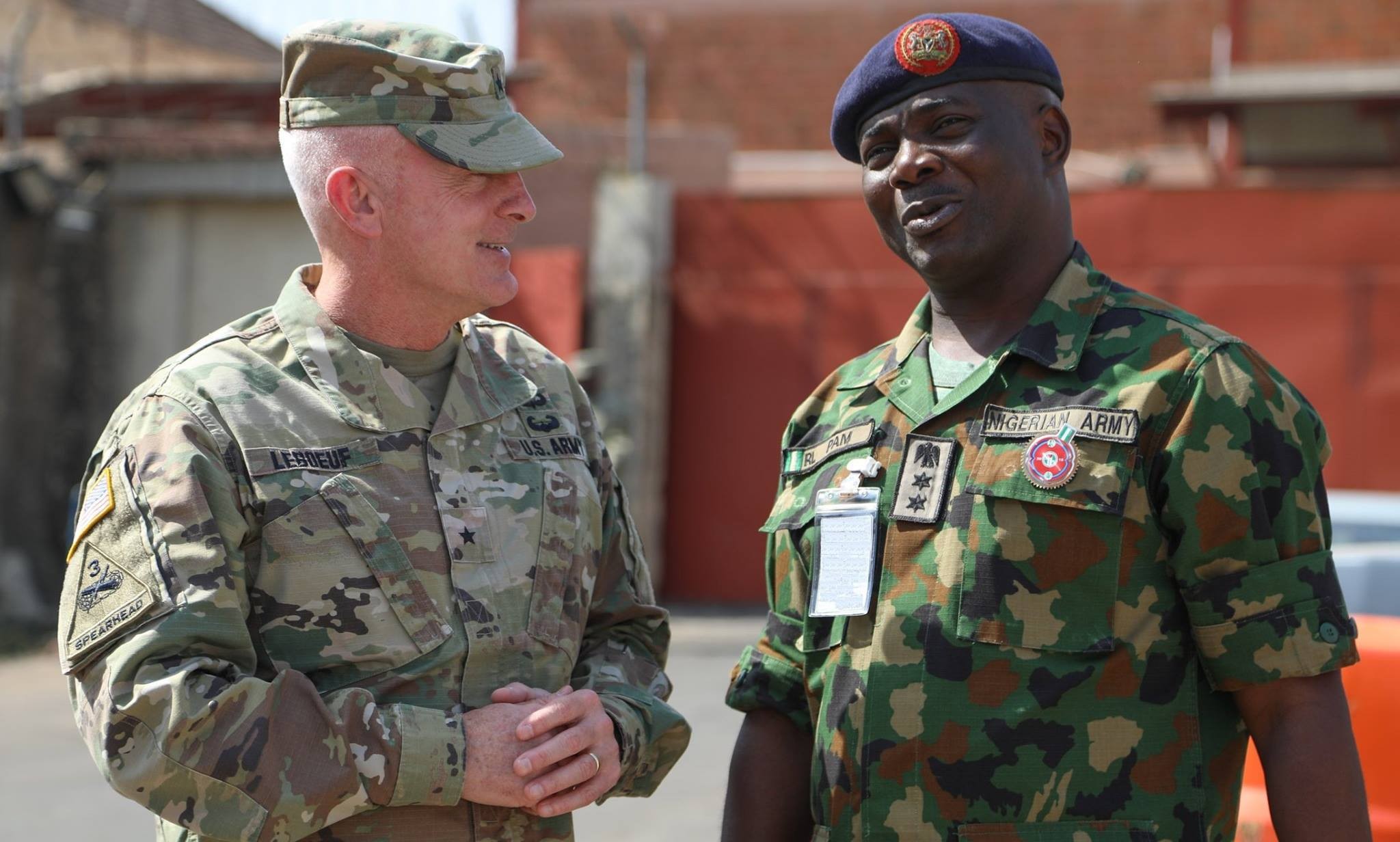
In a recent announcement, the U.S. Army has launched new enlistment options for those interested in joining as enlisted personnel or advancing to officer roles. This development was shared via the official X account of the United States Army.
The initiative is open to American citizens as well as lawful permanent residents holding a valid Green Card, provided they satisfy criteria related to age, schooling, health, and fitness levels.
Key Statements from the Army
The Army’s enlistment criteria differ based on whether someone aims to serve in an enlisted capacity or as an officer with leadership responsibilities. Enlisted members handle routine tasks and play a vital role in achieving unit objectives. To qualify, applicants need to be aged 17 to 34, maintain good health and physical condition, and hold U.S. citizenship or permanent residency with a Green Card.
Additionally, a high school education or its equivalent is required, along with passing the Army’s aptitude assessment with at least the baseline score.
For individuals pursuing officer positions, which involve directing operations, strategic choices, and overseeing troop welfare, candidates should be no younger than 17 and typically under 31 at the time of commissioning, or under 27 for those entering via the West Point academy.
Prospective officers must demonstrate medical and physical readiness, achieve U.S. citizenship prior to commissioning, earn a bachelor’s degree beforehand, and successfully navigate a background investigation and clearance procedure.
The Enlistment Journey in Five Phases
Enlisted roles encompass everyday duties and direct contributions to operational triumphs in over 200 diverse professional areas.
The process includes:
- Consulting with a recruitment specialist
- Undergoing the Armed Services Vocational Aptitude Battery exam
- Passing a medical evaluation at a designated Military Entrance Processing facility
- Choosing a specialty aligned with exam results and personal preferences
- Finalizing an agreement and gearing up for initial training
Officers focus on guidance, pivotal judgments, and the protection of those they lead.
Available routes to officership are:
- Participation in the Army Reserve Officers’ Training Corps (ROTC)
- Attendance at the U.S. Military Academy at West Point
- Completion of Officer Candidate School
- Immediate commissioning for experts in areas like healthcare or legal services
As outlined, “Opting for Army Reserve Officers’ Training Corps (ROTC) or the U.S. Military Academy (USMA) means you’ll assume an officer position following a four-year college program. For Officer Candidate School (OCS) or direct entry, the timeline hinges on wrapping up your bachelor’s degree and fulfilling branch-specific training and qualifications.”
Additional Details on Perks
The Army emphasizes various incentives designed to ease the financial burden of education and career development for new joins and current members.
These perks feature scholarships through the Army Reserve Officers’ Training Corps that assist with college fees and materials, plus the GI Bill, which funds higher education, advanced degrees, vocational courses, and credentials for those with a minimum of three years in service. There’s also the Green to Gold initiative, enabling serving enlisted members to obtain bachelor’s or master’s degrees en route to officership.
Moreover, the Army Credentialing Opportunities Online system aids in securing industry-recognized certifications and permits applicable to military duties and post-service jobs. Qualifying personnel can receive up to $4,000 yearly in Tuition Assistance for studies or skill-building, complemented by free Defence Activity for Non-Traditional Education Support options.
Other advantages encompass prep resources for standardized exams, credits toward degrees from military experiences, seamless transfers to partnered universities during active duty, and assistance with schooling, certifications, and employment for qualifying spouses of service members.
Furthermore, for permanent residents, military service can accelerate the path to citizenship, allowing naturalization applications starting from the onset of basic training.