





The House of Representatives has proposed a constitutional amendment aimed at reserving 10 per cent of National Assembly seats for women and five per cent for persons with disabilities (PWDs), a move that would increase the total number of federal lawmakers from 469 to 552.
The proposal recommends the creation of 83 new seats exclusively for women—55 in the House of Representatives, raising its total from 360 to 415, and 28 in the Senate, increasing the chamber’s seats from 109 to 137. These seats are to be filled through direct elections on separate ballots and distributed by state to ensure regional balance.
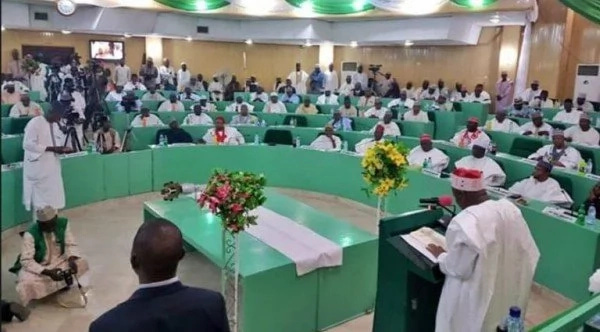
The proposal was announced on Tuesday by the Speaker of the House of Representatives, Tajudeen Abbas, during the official opening of the 2025 National Assembly Open Week and the launch of the 10th House Midterm Legislative Scorecard in Abuja.
“A central feature of our inclusive governance proposals is the introduction of constitutionally guaranteed reserved seats for women and persons with disabilities,” Abbas said. “Under the draft amendment, ten per cent of seats in both the Senate and the House of Representatives would be set aside for women, apportioned by state to ensure regional balance.”
He explained that five per cent of the existing seats would also be reserved for persons with disabilities, with candidates nominated by accredited disability advocacy organisations. “Reserved-seat representatives would enjoy the same rights, privileges, and committee assignments as their peers, reinforcing their full integration into legislative work,” he added.
Abbas highlighted the need for reform by citing Nigeria’s poor record of gender representation in politics. “At independence in 1960, women occupied less than one per cent of parliamentary seats. By 1990, it had only risen to two per cent. In 1999, women held just 3.9 per cent in the House and four per cent in the Senate. Today, despite constituting half the population, women’s representation remains stagnant.”
He referenced international models such as Rwanda and Senegal, where constitutional quotas led to a sharp increase in women’s representation—from under five per cent to over 30 per cent—in a single electoral cycle.