







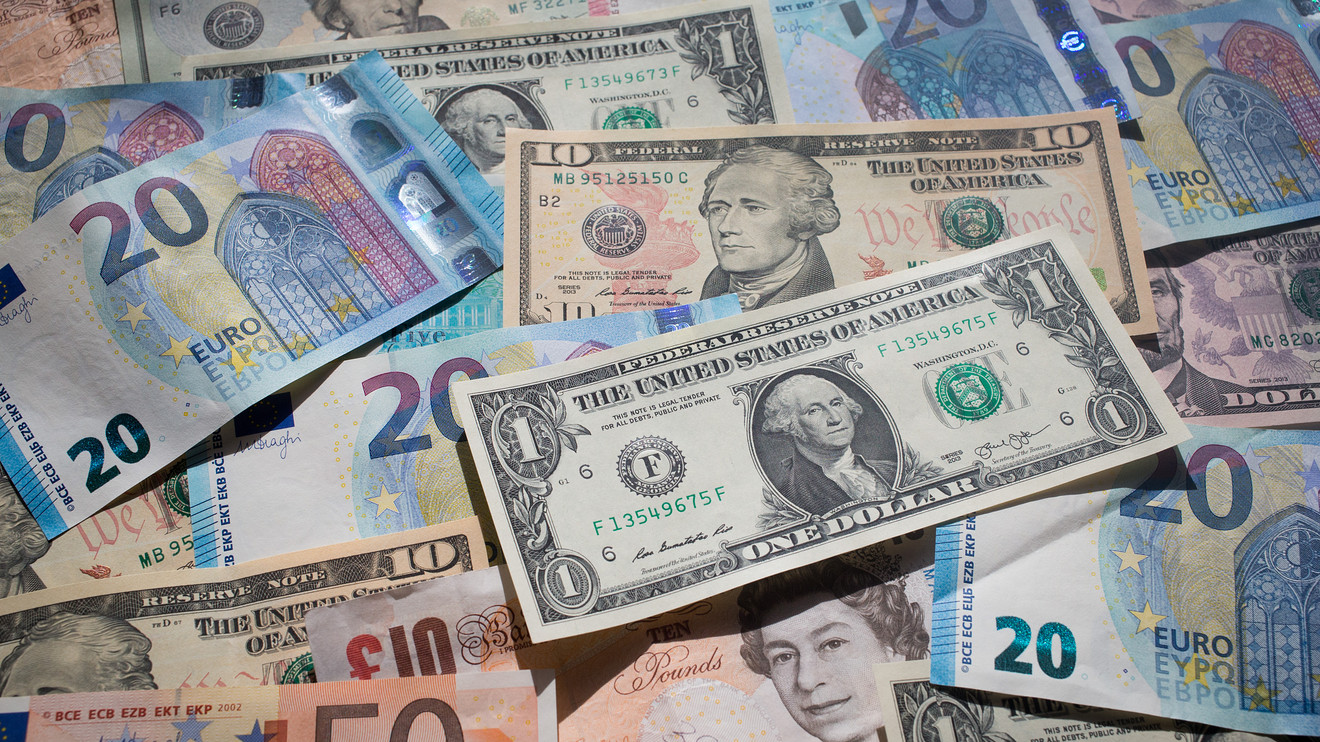
Currency markets are always buzzing. Some days, the moves are subtle—mere ripples on the screen. Other days, they’re dramatic swings that shake businesses, investors, and even everyday households. Right now, three currencies are stealing the spotlight: the euro, the British pound, and the South African rand. Each is being pushed and pulled by a cocktail of economic data, political decisions, and shifting expectations from central banks.
And let’s be honest—if you live in a country like Nigeria where foreign exchange touches everything from fuel prices to food imports, these moves aren’t just “global finance stories.” They trickle right into everyday life.
Euro Holds Firm Above $1.16 as Dollar Softens
The euro has been flexing some muscle, holding steady at $1.16, its strongest point in over a month. But the real story isn’t Europe’s sudden strength—it’s America’s moment of weakness.
The US labor market, once described as “red-hot,” is now cooling. Fresh data from the JOLTS report showed job openings slid by 176,000 in July, landing at 7.18 million—the lowest figure since September 2024. Traders were expecting 7.4 million, so this was a miss. A softer labor market strengthens the case for the Federal Reserve to cut rates in September, and that undercuts the dollar’s appeal.
Now, Europe isn’t without its own headaches. Inflation in the eurozone accelerated to 2.1% in August—slightly above the ECB’s 2% target. That complicates life for policymakers. On one hand, inflation is a touch hotter than they’d like; on the other, economic growth is fragile. The likeliest outcome? The European Central Bank will sit tight at its next meeting, neither cutting nor hiking.
Meanwhile, politics lurks in the background. Germany is talking up infrastructure spending to modernize its economy, and in France, Prime Minister François Bayrou faces a confidence vote on September 8. Political uncertainty can easily ripple into currency markets, and traders are already factoring it in.
For context, just two years ago in 2022, the euro actually slipped below parity with the dollar—a psychological blow at the time. To see it now climbing back above $1.16 is a reminder of how quickly sentiment can flip.
Pound Climbs Above $1.34, but Challenges Remain
Sterling has made a comeback, crossing $1.34. Like the euro, it’s riding on the back of dollar weakness. But the pound’s story is layered with domestic uncertainty.
The UK is approaching its Autumn Budget, and Chancellor Rachel Reeves has a tough job: balance fiscal targets without scaring voters or markets. Will she cut spending? Will she hike taxes? Either move carries political baggage. For investors, the uncertainty itself is a problem.
Adding to the mix, Bank of England Governor Andrew Bailey struck a cautious tone in Parliament this week. He said there’s “considerably more doubt” about when rates can be reduced. Translation? Traders shouldn’t expect a rate cut this year. Markets have pushed their bets to April 2026 for the next BoE move.
And let’s not forget the shadow of Brexit. Even though it’s been years since the vote, its aftershocks still rattle the economy—think trade barriers, labor shortages, and reduced EU access. All of these weigh on sterling’s long-term prospects, even when short-term moves look bullish.
So yes, the pound is enjoying the moment, but whether it can hold those gains is another question entirely.
Rand Edges Stronger, Powered by Gold and Policy Chatter
The South African rand isn’t always in the same headlines as the euro or pound, but when it moves, it often reflects deeper global shifts. This week, it edged stronger toward 17.6 per dollar.
Two forces are at play here. First, gold. South Africa remains one of the world’s key gold producers, and the rand tends to rise and fall with bullion prices. As gold strengthened this week, thanks to weaker US data, the rand found support.
Second, domestic monetary policy. The South African Reserve Bank (SARB) and the Treasury issued a rare joint statement confirming that they’re reviewing the country’s inflation target, which has been 3–6% since 2000. Governor Lesetja Kganyago has argued for tightening that band, ideally anchoring expectations closer to 3%. His reasoning is straightforward: lower inflation targets can help reduce debt and create more predictable price stability.
If the review results in a shift, it could boost investor confidence in South Africa’s financial discipline, strengthening the rand’s credibility in global markets. But for now, its near-term fortunes remain tied to commodities and the global dollar trend.
Why This Matters for Nigeria
Now, you might be wondering: how does any of this connect to Nigeria? Quite a lot, actually.
- Dollar Movements: When the US dollar weakens, it affects Nigeria directly because most of our external trade and oil sales are dollar-denominated. A softer dollar can ease pressure on the naira in international transactions, though domestic supply issues remain.
- Euro Strength: Nigeria imports heavily from the EU—machinery, pharmaceuticals, and vehicles. A stronger euro makes these imports more expensive, potentially pushing up local inflation.
- Pound Dynamics: The UK remains a major trade and remittance partner for Nigeria. When the pound strengthens, remittances from the Nigerian diaspora in Britain are worth more in naira terms—a subtle but real boost for many households.
- Rand Movements: While Nigeria and South Africa are sometimes economic rivals, a stronger rand signals investor confidence in African markets more broadly. That can influence foreign portfolio flows into Nigeria as well.
So, even if you’re not trading currencies on MetaTrader 4 or following Bloomberg terminals, these moves shape prices on supermarket shelves, remittance flows into bank accounts, and even government budget assumptions.
What Traders and Businesses Should Watch
For traders, the big question is whether the Fed actually follows through with a September rate cut. If they do, the dollar could weaken further, giving more breathing room to currencies like the euro, pound, and rand.
Businesses, especially importers, should pay attention to euro strength—it could mean higher costs on goods sourced from Europe. On the other hand, exporters or service providers who earn in dollars may find global demand softening if the greenback loses too much ground.
In Africa, policy decisions in South Africa could create ripples for regional investors. If the SARB does lower its inflation target, it might set a precedent for other African economies debating how to handle inflation and debt.
Conclusion: Currency Moves as Signals
At the end of the day, currencies are more than numbers on a screen. They’re signals of how investors, policymakers, and even ordinary people are feeling about the future.
The euro’s gains reflect doubts about the US economy. The pound’s rise is clouded by domestic fiscal headaches. The rand’s slight strength shows how commodities and policy tweaks shape emerging-market currencies. And for Nigeria, all of these shifts matter, whether it’s the cost of fuel imports or the value of diaspora remittances.
The forex market is messy, unpredictable, and sometimes frustrating—but it’s also one of the clearest mirrors of global confidence. Traders may chase charts and headlines, but for everyone else, these moves quietly shape the financial reality we live in every single day.