







The Federal Government has officially unveiled a list of 26 trade disciplines that will form the backbone of its overhauled technical education curriculum, set to take effect from the 2025/2026 academic session.
The announcement was made in Abuja by Minister of Education, Dr. Maruf Tunji Alausa, alongside Minister of State, Professor Suwaiba Sa’id Ahmad, with details confirmed in a statement signed by Bon Folasade, the Ministry’s Director of Press and Public Relations.
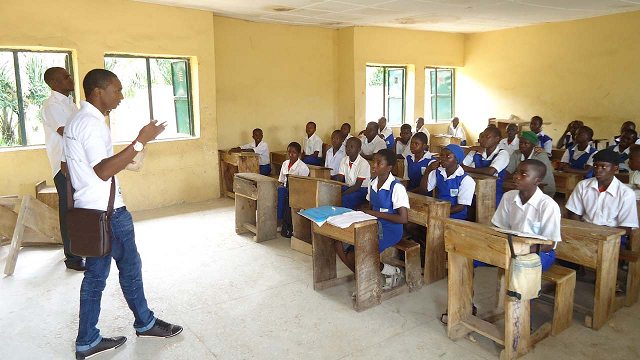
As part of the reform, all Federal Science and Technical Colleges will be converted into Federal Technical Colleges, with each institution mandated to offer between six and ten specialized trade courses. The new structure will also introduce Citizenship and Heritage Studies, in addition to science and language-based core subjects.
Full List of the 26 Approved Trades
- Bricklaying, block laying, and concreting
- Woodwork, carpentry, and joinery
- Plumbing and pipe fitting
- Computer hardware and GSM repair/maintenance
- Refrigeration and air-conditioning works
- Mechanised agriculture (mechanisation / smart agriculture)
- Autobody works
- Catering craft practice
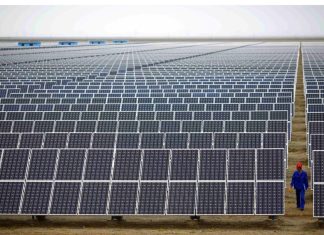
- Solar PV installation and maintenance
- Fashion design and garment making
- Livestock farming/animal husbandry
- Fish farming (aquaculture)
- Motorcycle and tricycle repairs
- Painting, decoration, and finishes (interior design)
- Welding and fabrication
- Auto-electrical wiring
- Automobile mechanics
- Beauty therapy and cosmetology
- Creative media (digital media production/operations)
- Electronic systems maintenance craft
- Furniture making and upholstery
- Networking and system security (including satellite TV antenna installation and maintenance)
- Social media content creation and management
- Tiling and cladding (tiling and decorative stonework/floor-cover installation)
- Automobile CNG conversion and maintenance
- Leather works
Students will now be required to take between nine and ten subjects, including one core trade, five to six general subjects, two to three trade-related subjects, and one elective.
The Education Ministry emphasized that the reform aims to streamline technical learning, reduce academic overload, and align training with modern industry demands across construction, energy, agriculture, automotive, creative, and digital sectors.
“The new curriculum is designed to build strong trade competencies, meet global standards, and equip young Nigerians with practical skills for emerging job markets,” the statement added.