








Key points
- FCT residents say the recent drop in cooking gas prices offers relief after months of steep increases.
- LPG now sells for between N1,498 and N1,650 per kilogram in most parts of Abuja, down from about N2,000/kg.
- Consumers are urging the government to sustain the decline and ensure lower prices across all retail outlets.
- The Federal Government has intensified efforts to stabilise the market through increased domestic supply and enforcement against hoarding.
Main story
Residents of the Federal Capital Territory (FCT) have welcomed the recent decline in cooking gas prices, describing it as a much-needed relief after months of soaring costs, but say more reductions are needed to ease pressure on household budgets.
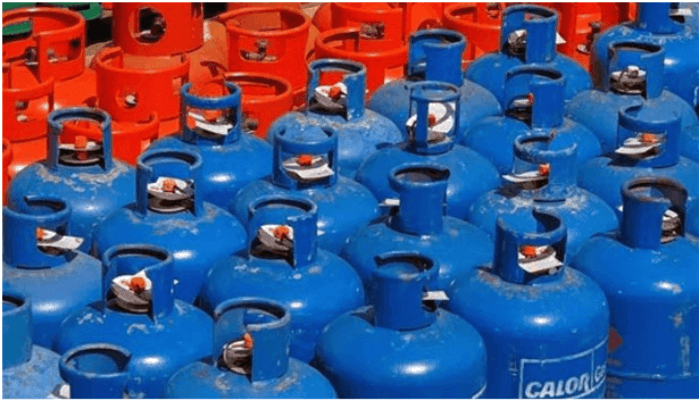
Cooking gas, also known as Liquefied Petroleum Gas (LPG), now sells for between N1,498 and N1,650 per kilogram across most retail outlets in Abuja, although some roadside vendors still charge as much as N1,850 per kilogram. Just weeks ago, prices had climbed to around N2,000 per kilogram, pushing the cost of refilling a 5kg cylinder to about N10,000 and a 12.5kg cylinder to roughly N25,000.
The sharp increase forced many households to cut back on gas consumption or switch to cheaper alternatives such as charcoal and firewood.
Residents who spoke to the News Agency of Nigeria (NAN) said the recent price adjustment should be sustained to make clean cooking fuel more affordable and encourage households to abandon polluting fuels.
Some consumers noted that while the reduction remains modest, it provides some breathing space at a time when many families are struggling with rising transport, food, healthcare and housing costs.
Others called on marketers to implement the lower prices uniformly across the FCT, saying significant price differences still exist between filling stations and roadside vendors.
A gas retailer said prices could fall further in the coming weeks as supply improves, raising hopes of greater price stability across the market.
The price decline comes after the Federal Government ordered regulators and security agencies to clamp down on marketers accused of hoarding or diverting LPG supplies. Authorities have also pledged to prioritise domestic LPG production, strengthen local blending capacity and improve distribution infrastructure to reduce dependence on imports and stabilise prices.
Industry regulators have previously linked the surge in LPG prices to global supply disruptions arising from tensions in the Middle East, high transportation costs and domestic logistics challenges.
The issues
Although prices have begun to ease, cooking gas remains significantly more expensive than it was before the recent inflationary surge, keeping clean cooking fuel out of reach for many low-income households.
The Federal Government is banking on increased local production, stronger market enforcement and improved distribution networks to bring prices down further and reduce Nigeria’s dependence on imported LPG.
What’s being said
“Every little reduction counts. We hope the government and marketers will ensure prices become more stable and affordable.” — Joseph Bassey, businessman
“Many people switched to charcoal because of the high cost of gas. If prices continue to fall, more families will return to using cooking gas, which is cleaner and safer.” — Joyce Asuquo, resident
“Improved product availability will help moderate prices across the retail market.” — Khalifa Abdul, gas retailer
What’s next
Attention will focus on whether improved domestic supply, government enforcement against hoarding and planned local LPG blending initiatives translate into further price reductions and more stable cooking gas prices nationwide.
Bottom line
The recent decline in cooking gas prices has offered some relief to households, but residents say sustained reductions will be needed to make clean cooking fuel affordable for more Nigerians and reduce reliance on charcoal and firewood.










 have welcomed the recent decline in cooking gas prices, describing it as a much-needed ...)