







Key Points
- Medical experts have urged Nigerians to routinely check their blood pressure, blood sugar and cholesterol levels to prevent serious health complications.
- Uncontrolled diabetes and hypertension can lead to blindness, kidney disease, heart failure and stroke.
- Experts identified obesity, physical inactivity, smoking and unhealthy diets as major preventable risk factors.
- Journalists have been advised to prioritise regular medical examinations due to the health challenges associated with demanding work schedules.
- The advice was given during a health sensitisation workshop organised by the NUJ NAN Chapel in collaboration with NISA Premier Hospital.
Main Story
Medical experts have urged Nigerians to make routine checks of their blood pressure, blood sugar and cholesterol levels a priority to prevent complications associated with diabetes, hypertension and cardiovascular diseases.
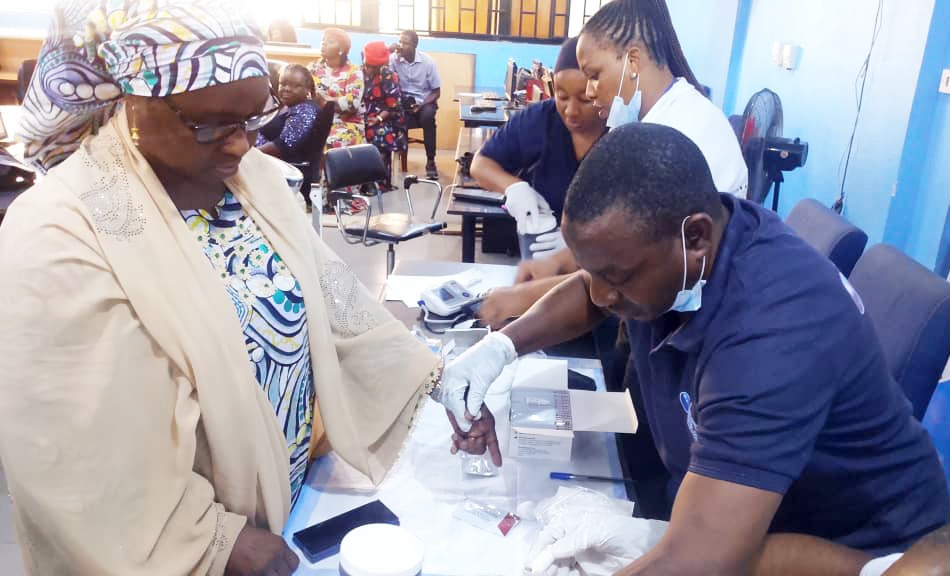
The experts gave the advice on Wednesday during a health sensitisation workshop and medical outreach organised by the Nigerian Union of Journalists (NUJ), NAN Chapel, Abuja, in collaboration with NISA Premier Hospital.
The programme was organised ahead of the 2026 World Diabetes Day, observed annually on November 14, to raise awareness about diabetes prevention, early detection and management.
Speaking at the workshop, a family physician at NISA Premier Hospital, Dr Fatima Aminu, described diabetes, hypertension and cardiovascular diseases as interconnected non-communicable diseases that share several risk factors.
She identified age, genetic predisposition and family history as factors individuals cannot change, while obesity, physical inactivity, smoking and unhealthy lifestyle habits were among the preventable risks.
Aminu explained that hypertension was particularly dangerous because many people could have elevated blood pressure without experiencing noticeable symptoms.
According to her, some individuals only discover they have the condition after developing serious complications.
She listed excessive thirst, frequent urination, increased hunger, unexplained weight loss and persistent tiredness as possible warning signs of diabetes.
She added that severe hypertension could sometimes cause headaches and blurred vision, but cautioned that the absence of symptoms did not mean an individual had normal blood pressure.
The physician warned that poorly controlled diabetes and hypertension could damage vital organs, potentially resulting in blindness, kidney disease, heart failure and stroke.
The Issues
Diabetes and hypertension are often difficult to detect early because they may develop without obvious warning signs.
This makes routine medical screening important, particularly for people with risk factors such as obesity, family history, physical inactivity and unhealthy eating habits.
Occupational demands can also contribute to unhealthy lifestyles. Long working hours, prolonged sitting, stress and inadequate rest may discourage people from engaging in regular physical activity and maintaining healthy diets.
Aminu advised Nigerians to adopt healthier habits, including regular exercise, balanced meals, adequate sleep and effective stress management.
She also recommended the plate rule as a practical approach to healthier eating.
Under the method, half of a person’s plate should contain vegetables, one-quarter should be allocated to protein, while the remaining quarter should contain carbohydrates.
On treatment, she explained that diabetes and hypertension were chronic conditions that could be controlled through lifestyle changes, prescribed medications and regular medical follow-ups.
She cautioned patients against stopping their medications without consulting their doctors, warning that doing so could cause blood pressure and blood sugar levels to rise.
The physician emphasised that early detection and consistent treatment were essential to reducing the risk of complications.
What’s Being Said
Aminu urged Nigerians to take responsibility for monitoring their health, stressing the importance of knowing their blood pressure, blood sugar and cholesterol levels.
“Know your numbers and protect your life. Always check your blood pressure, sugar and cholesterol levels,” she advised.
Earlier, the Chairman of NUJ NAN Chapel, Abuja, Collins Yakubu-Hammer, said the workshop was organised to educate journalists about diabetes, hypertension and cardiovascular health.
He explained that journalists, particularly editors and reporters, faced occupational health challenges arising from prolonged sitting, stressful assignments and demanding work schedules.
According to him, the chapel considered it necessary to collaborate with a healthcare institution to educate members on preventing the diseases and managing them if already diagnosed.
Yakubu-Hammer added that the medical outreach would provide participants with opportunities to undergo basic health checks, including blood pressure and blood sugar tests.
He urged agency staff to take routine medical examinations seriously instead of relying on medications whenever they experienced minor symptoms.
What’s Next
Yakubu-Hammer said the chapel planned to sustain the health sensitisation initiative through annual programmes focusing on different health concerns.
He recalled that the organisation partnered with Sightsavers in 2025 to conduct an eye-health workshop, during which participants received free eye examinations and eyeglasses.
The chairman said similar collaborations would continue to promote the health, wellbeing and productivity of journalists and other agency workers.
Bottom Line
The warning from medical experts highlights the importance of detecting diabetes and hypertension before they develop into life-threatening complications.
For many Nigerians, the greatest danger is not necessarily the absence of treatment but the failure to know their health status early enough.
Routine screening, healthier eating, physical activity and adherence to prescribed medication can make a significant difference.
As the world marks World Diabetes Day on November 14, the message is clear: knowing your numbers is an important step towards protecting your health.