






KEY POINTS
- Foremost industrialist Alhaji Aliko Dangote has warned that Middle East tensions and global oil volatility will cause widespread hardship across Nigeria and African economies.
- Speaking after an Eid-el-Fitr visit to President Bola Tinubu in Lagos, Dangote noted that even without a direct role in the crisis, Nigeria is exposed due to global economic interdependence.
- Potential impacts include higher fuel prices, rising transport costs, and mounting fiscal strain as subsidies rise and debt burdens worsen.
- Dangote also highlighted that the President’s recent UK visit has strengthened Nigeria’s investment outlook, opening doors for international infrastructure financing.
MAIN STORY
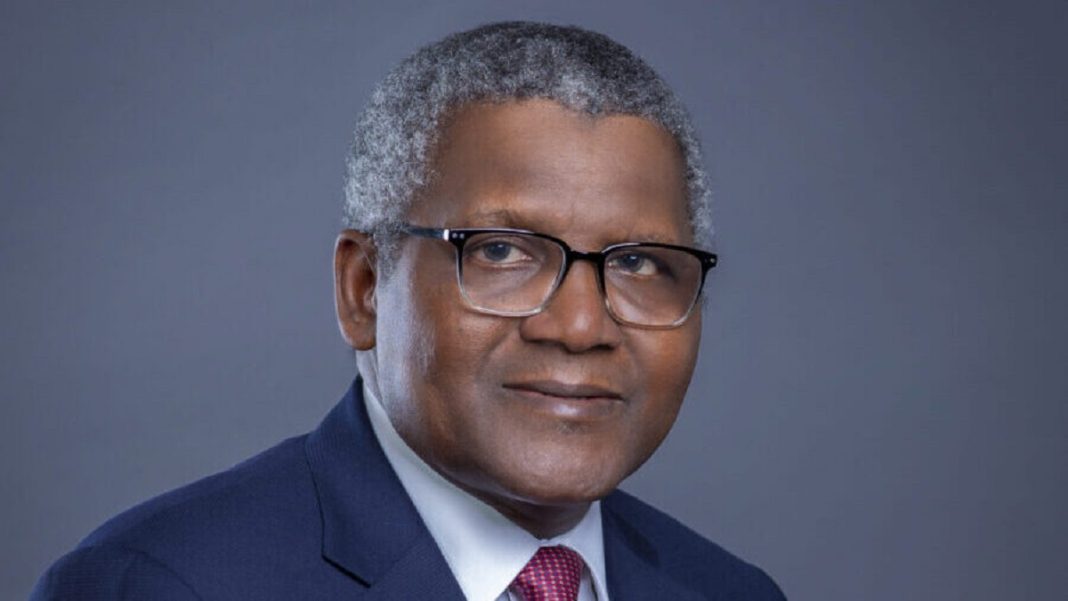
Alhaji Aliko Dangote reported on Monday that the ongoing conflict in the Middle East poses a significant threat to the economic resilience of African nations. Following a courtesy visit to President Bola Tinubu, Dangote explained that the “global village” nature of the modern economy means Nigeria will inevitably feel the impact of fluctuating oil markets.
He cautioned that if the situation does not de-escalate quickly, the continent will pay a heavy price through inflationary pressures that disrupt manufacturing, logistics, and household consumption.
The industrialist emphasized that energy costs affect every level of the economy, from large-scale industries to small enterprises like local barbers. He observed that some countries are already adopting coping strategies, such as energy rationing and reduced workdays, which could slow overall economic output.
However, Dangote expressed optimism regarding Nigeria’s long-term prospects, citing the President’s recent diplomatic mission to the United Kingdom as a breakthrough for international confidence. He noted that new agreements in infrastructure and port financing signal that Nigeria is ready for large-scale private sector investment.
THE ISSUES
The primary concern highlighted by Dangote is the “Fiscal Vulnerability” of African governments during energy shocks. With many citizens depending on daily earnings, any spike in transport or fuel costs immediately threatens livelihoods. Furthermore, the rising cost of energy often forces governments to increase subsidy spending, which compounds existing debt burdens and limits the fiscal space needed for developmental projects.
While international confidence in Nigeria’s reforms is growing, as evidenced by the UK investment signals, the immediate challenge remains shielding the most vulnerable populations from the “imported inflation” caused by the Persian Gulf crisis.
WHAT’S BEING SAID
- “Energy affects everything. From small businesses like barbers to industries running generators, everyone will feel the impact,” stated Aliko Dangote.
- “In Africa, many people depend on daily earnings. If they don’t work, they don’t eat,” Dangote added regarding the need for de-escalation.
- “Diplomacy without economic outcomes is incomplete, and [the UK visit] has created opportunities for Nigeria,” noted Dangote after his meeting with the President.
WHAT’S NEXT
- Nigerian private sector players are expected to begin approaching international agencies for the newly available infrastructure funding.
- Economic analysts will monitor the April inflation data to see how much of the global oil volatility has transmitted to local transport costs.
- The Federal Government may announce further details on the port investment agreements following the groundwork laid during the UK visit.
- Observers are looking for similar investment signals from Germany and other European partners to confirm the trend of growing investor confidence.
BOTTOM LINE
The Bottom Line is that Dangote sees a “Tale of Two Realities” for Nigeria. While the Middle East war threatens to crush daily livelihoods through energy-driven inflation, the successful diplomatic reforms are simultaneously opening doors to the massive international capital needed to fix Nigeria’s infrastructure. For the administration, the challenge is surviving the short-term global shock to reach the long-term investment payoff.