








Key points
- NCS says IDEC approvals for duty exemptions reached N34 trillion in 2025.
- Most waivers were granted for military hardware and strategic imports.
- Customs says it generated N4.5 trillion by June toward its 2026 revenue target.
- Senate committee threatened sanctions against heads of agencies that failed to appear before its investigative session.
Main story
The Nigeria Customs Service (NCS) says import duty exemptions approved under the Import Duty Exemption Certificate (IDEC) scheme reached N34 trillion in 2025, highlighting the significant impact of government fiscal incentives on Customs revenue.
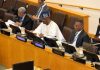
Comptroller-General of Customs, Adewale Adeniyi, disclosed this during an investigative session of the Senate Committee on Finance with revenue-generating agencies. He said government policies had both supported and constrained Customs’ revenue performance over the years, noting that duty waivers remained one of the biggest factors affecting collections.
According to Adeniyi, about 60 per cent of the approved exemptions covered military hardware imports to support Nigeria’s security operations. Other beneficiaries included importers of compressed natural gas (CNG) equipment, electric and hybrid vehicles, medical equipment and supplies, industrial machinery, manufacturing inputs and food items brought in under government intervention programmes.
He, however, argued that the success of such incentives should not be measured solely by the revenue forgone. Instead, he said government should assess whether the waivers achieved their intended objectives, such as reducing consumer prices, expanding industrial production and improving access to healthcare.
The Customs boss also disclosed that the service had generated N4.5 trillion as of June 30 against its N11.04 trillion revenue target for 2026, leaving about N7 trillion to be collected during the second half of the year.
During the hearing, a representative of the Fiscal Responsibility Commission (FRC), Bello Gulmare, alleged that the NCS still owed N8.9 billion in unremitted operating surplus to the Consolidated Revenue Fund as of 2019.
The Senate Committee on Finance directed the Customs Service, the Corporate Affairs Commission (CAC) and the FRC to reconcile their records and submit a report within two weeks.
The committee also warned that the heads of agencies, including the Nigerian Civil Aviation Authority (NCAA), the Industrial Training Fund (ITF) and the Small and Medium Enterprises Development Agency of Nigeria (SMEDAN), must appear at its next sitting or face sanctions for failing to honour the invitation.
The issues
Import duty waivers remain an important fiscal tool for supporting national priorities such as security, industrialisation and healthcare. However, concerns persist over their impact on government revenue and the need for stronger oversight to ensure beneficiaries deliver the expected economic and social outcomes.
What’s being said
“Fiscal policy should not be assessed solely from the perspective of revenue generation but also by its broader economic and social impact.” — Adewale Adeniyi, Comptroller-General, Nigeria Customs Service
What’s next
The Senate committee expects Customs, the FRC and the CAC to reconcile outstanding financial records within two weeks, while agencies that failed to attend the hearing have been directed to appear at the next session or face sanctions.
Bottom line
The hearing underscores the balancing act between using duty waivers to drive economic priorities and ensuring transparency, accountability and revenue mobilisation.





 says import duty exemptions approved under the Import Duty Exemption Certificate (IDEC) ...)