








Key Points
- CSOs want communities, labour and other stakeholders involved in decisions on Nigeria’s energy future.
- Speakers say renewable energy could create jobs and improve electricity access in Niger Delta communities.
- They urge communities to use existing laws and funding mechanisms to demand accountability.
Main Story
Civil Society Organisations (CSOs) have called for stronger transparency, accountability and community participation in Nigeria’s transition to cleaner energy.
The call was made at a workshop on energy transition and energy democracy organised by Environmental Rights Action (ERA) Nigeria and Friedrich Ebert Stiftung Nigeria in Port Harcourt on Friday.
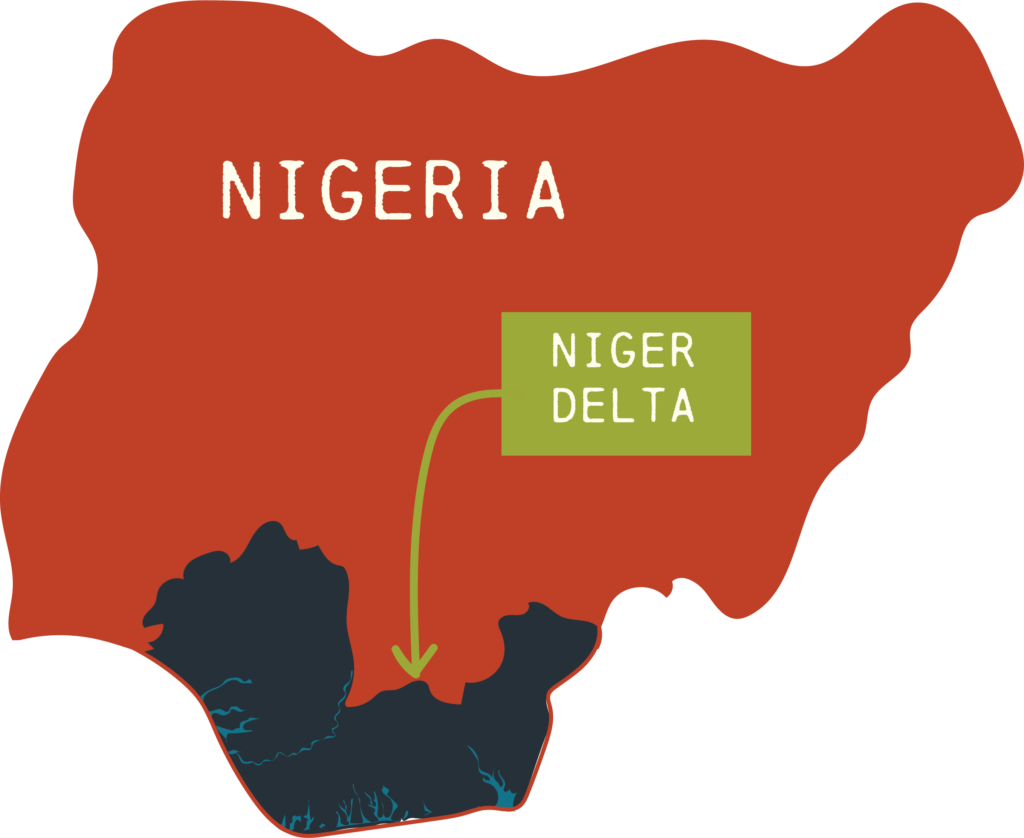
The workshop, themed “Who Controls Our Energy? Energy Access and Social Justice”, examined questions around energy access, ownership and control in the Niger Delta.
Mr Kentebe Ebiarodor, Programme Manager, ERA Nigeria, said the country’s energy transition should prioritise people and ensure that reliable and affordable energy was accessible irrespective of location or economic circumstances.
He said communities, workers and other sections of society should participate in decisions shaping Nigeria’s energy future.
Ebiarodor expressed concern about Nigeria’s continued reliance on fossil fuels, arguing that decades of oil extraction had not resulted in sustainable development for many Niger Delta communities.
He called for a rethink of Federal Government energy policies and greater energy sovereignty that would allow communities to have more influence over how energy resources were managed.
The ERA Nigeria programme manager said energy democracy should give communities a meaningful role in decisions concerning the management and distribution of energy resources.
Dr Emem Okon, Executive Director, Kabetkache Women Development and Resource Centre, also advocated greater community involvement in energy resource management.
Okon said dependable electricity was important to small businesses, schools, health centres and other essential services, urging communities to understand relevant energy laws and policies so they could demand their implementation.
She said the Nigeria Energy Transition Plan could create opportunities for women and small businesses in renewable energy, including through clean cooking initiatives and grants.
Okon urged CSOs to raise awareness about such opportunities and help communities acquire the skills required to participate in the emerging energy sector.
Earlier, Mr Tijar Bolton, Executive Director, Policy Alert, said communities in the Niger Delta continued to face unreliable electricity despite the region’s longstanding contribution to Nigeria’s fossil fuel economy.
Bolton said the situation provided an opportunity for communities to seek greater ownership of decentralised renewable energy infrastructure, including solar-powered mini-grids.
He said community-owned energy systems could provide electricity while creating employment and developing technical skills for local residents and small and medium-sized enterprises.
Bolton encouraged communities to use resources available through Host Community Development Trusts to build skills in solar panel installation, production and maintenance.
He also called for funds intended to address environmental pollution, including gas flare penalties, to be used for their designated purposes.
The Issues
The discussions centred on who should control and benefit from Nigeria’s energy resources as the country moves towards cleaner energy sources.
Speakers argued that communities in the Niger Delta should have a greater role in energy decisions and benefit economically from renewable energy projects, particularly in areas that continue to experience limited electricity access.
What’s Being Said
“The Nigerian Government has been very clear about its drive for energy, irrespective of the impact it is having on the environment,” — Kentebe Ebiarodor
“Energy democracy should ensure communities participated in decisions on how energy resources were managed and distributed,” — Kentebe Ebiarodor
“If people don’t have knowledge of existing laws and policies and advocate and begin to hold government accountable, those policies can be there for years without being implemented,” — Emem Okon
“The community-owned systems could create employment, develop technical skills and provide reliable electricity for small and medium-scale enterprises,” — Tijar Bolton
What’s Next
The stakeholders urged government, communities, labour and other actors to strengthen participation and accountability as Nigeria implements its energy transition, with particular attention to ensuring that Niger Delta communities benefit from emerging renewable energy opportunities.
Bottom Line
The CSOs said Nigeria’s energy transition should go beyond changing energy sources by giving communities a meaningful role in ownership, decision-making and the economic opportunities created by cleaner energy.




 have called for stronger transparency, accountability and community participation in Nigeria’s ...)